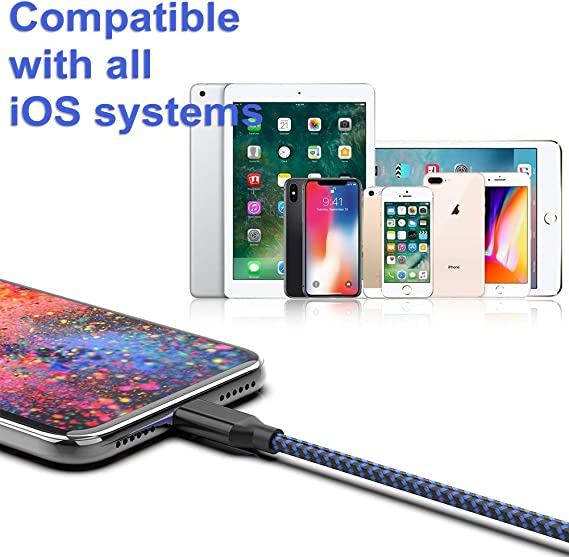
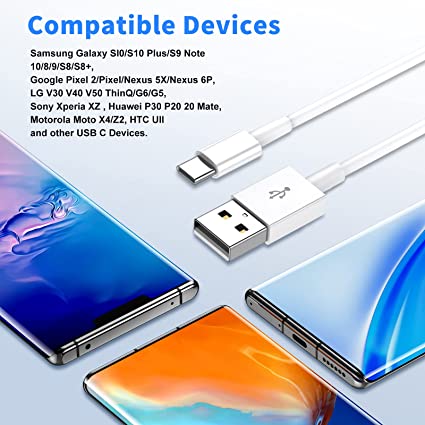
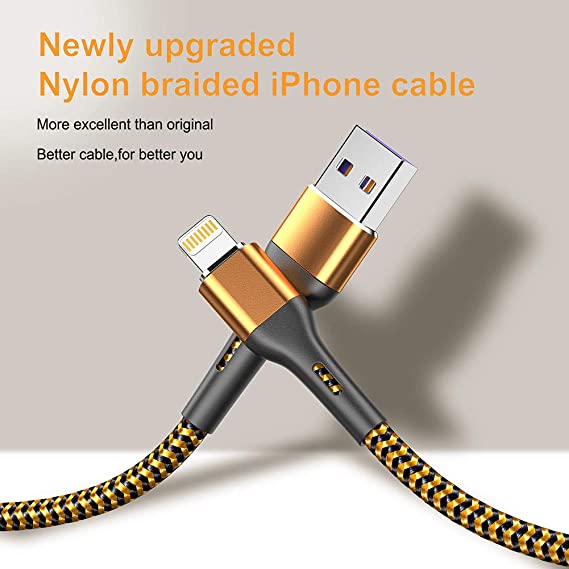
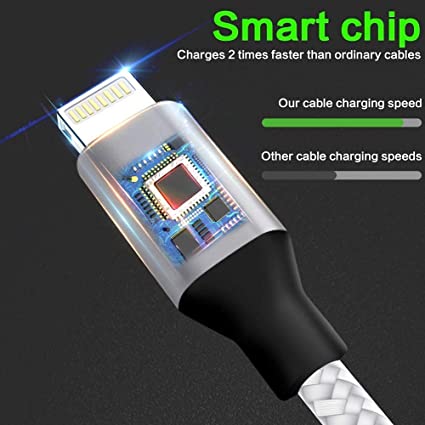
Strong Nylon Braided iPhone Charger Cable- Lightning cable wholesale
When people buy a USB cable, they often focus on things like:
Charging speed
Data transfer rate
Cable length
Braided jacket
Fast charging support
However, one of the most important components inside a USB cable is often overlooked:
USB Connector Pins
Although connector pins are tiny, they serve as the actual physical connection point between your device and the cable.
Every watt of charging power and every bit of data must pass through these small metal contacts.
Without high-quality pins, even the best cable design cannot deliver stable charging or reliable data transmission.
Modern premium USB cables typically use:
Gold-Plated Phosphor Bronze Pins
This combination provides excellent conductivity, strong durability, and long-term reliability.
In this article, we’ll take a deep dive into how USB connector pins work, why phosphor bronze is used, why gold plating matters, and how connector quality affects charging and data transfer performance.
What Are USB Cable Pins?
USB connector pins are the metal contacts located inside the connector.
Depending on the connector type, such as:
USB-A
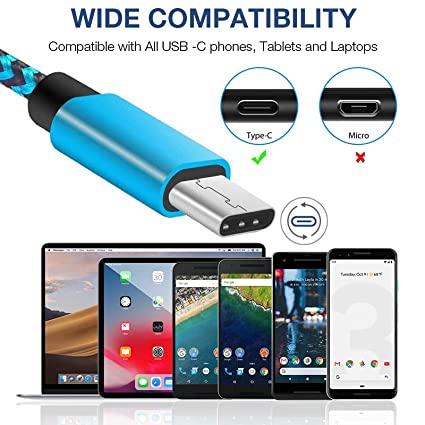
USB-C
Micro USB
Lightning
the number and arrangement of pins may vary.
However, their function remains the same.
They serve as the:
Physical Contact Point for Power and Signal Transmission
Whenever you plug a USB cable into a device, the pins create an electrical connection that allows:
Charging power to flow
Data signals to travel
Devices to communicate
Without proper contact between the pins and the device, charging and data transfer cannot occur.
Why Are USB Connector Pins So Important?
Many users assume that the copper wire inside the cable is the most important part.
While the wire core is critical, electricity must first pass through the connector pins.
Think of the pins as the entrance gate.
If the gate is blocked or damaged, the entire system suffers.
Poor-quality pins may cause:
Slow charging
Charging interruptions
Device recognition failures
Data transfer errors
Increased heat generation
This is why premium USB cable manufacturers pay close attention to pin materials and surface treatments.
Why Is Phosphor Bronze Used for USB Pins?
Most high-quality USB connectors use:
Phosphor Bronze
as the base material for the pins.
What Is Phosphor Bronze?
Phosphor bronze is a copper-based alloy containing:
Copper
Tin
Small amounts of phosphorus
This alloy combines good electrical conductivity with excellent mechanical strength.
Why Not Use Pure Copper?
Pure copper has excellent conductivity, but it is relatively soft.
Connector pins experience thousands of insertion and removal cycles during their lifetime.
If pure copper were used, the pins could:
Bend easily
Deform permanently
Lose contact pressure
This would lead to unstable electrical connections.
Phosphor bronze solves this problem by providing:
Higher Strength and Better Elasticity
The pins can repeatedly flex and return to their original shape without losing performance.
Advantages of Phosphor Bronze Pins
1. Excellent Elasticity
Connector pins must maintain constant contact pressure.
Phosphor bronze provides the spring force necessary to ensure reliable connections.
This helps maintain:
Stable charging
Reliable data transfer
Consistent electrical contact
2. Longer Service Life
High-quality phosphor bronze pins can withstand thousands of insertion cycles.
This significantly improves connector durability.
3. Better Mechanical Strength
Compared with pure copper, phosphor bronze resists:
Bending
Fatigue
Wear
making it ideal for frequently used USB cables.
Why Are USB Pins Gold-Plated?
Using phosphor bronze alone is not enough.
To further improve performance, manufacturers add:
Gold Plating
to the surface of the connector pins.
What Is Gold Plating?
Gold plating is an electroplating process that deposits a thin layer of gold onto the connector surface.
The structure typically looks like this:
Phosphor Bronze Base
↓
Nickel Underlayer
↓
Gold Plating
Each layer serves a specific purpose.
Why Is Gold Used on USB Connector Pins?
Gold possesses several unique properties that make it ideal for electrical contacts.
1. Excellent Electrical Conductivity
One major reason manufacturers use gold is its ability to conduct electricity efficiently.
Gold-plated contacts help reduce:
Contact Resistance
Lower resistance means:
More efficient charging
Better signal transmission
Less energy loss
2. Gold Does Not Rust
Unlike many metals, gold is highly resistant to oxidation.
This means the contact surface remains clean and conductive over time.
Because gold does not easily corrode, it helps maintain:
Stable charging performance
Reliable data transmission
Long-term durability
3. Improved Signal Integrity
Modern USB standards support extremely high data rates.
Examples include:
USB 3.2
USB4
Thunderbolt 4
Thunderbolt 5
At these speeds, signal quality becomes extremely important.
Gold-plated contacts help preserve:
Signal Integrity
by ensuring stable electrical contact.
How Connector Pins Affect Charging Performance
Modern charging technologies such as:
USB Power Delivery (PD)
PPS Charging
Quick Charge
require continuous communication between devices.
If connector pins have poor contact quality, problems may occur such as:
Reduced charging speed
Charging interruptions
Failed fast charging negotiation
Increased connector temperature
High-quality gold-plated phosphor bronze pins help minimize these risks.
How Connector Pins Affect Data Transfer
Data transmission relies on clean, stable electrical pathways.
Poor connector quality may cause:
Signal loss
Data corruption
Reduced bandwidth
Connection instability
Premium connector pins help ensure accurate and reliable communication between devices.
Why Cheap USB Cables Often Have Connection Problems
Low-cost USB cables often reduce manufacturing expenses by using:
Thin metal contacts
Inferior alloys
Minimal plating thickness
Poor manufacturing precision
These compromises may result in:
Loose connections
Faster corrosion
Charging instability
Shorter cable lifespan
Although these cables may look similar externally, their internal performance can differ dramatically.
How to Identify High-Quality USB Connector Pins
When selecting a USB cable, look for specifications such as:
Gold-Plated Connector Pins
Phosphor Bronze Contacts
Premium USB Connectors
High-Durability Connectors
These features generally indicate better performance and longevity.
The Future of USB Connector Technology
As charging power and transmission speeds continue to increase, connector pins will become even more important.
Future USB-C cables may support:
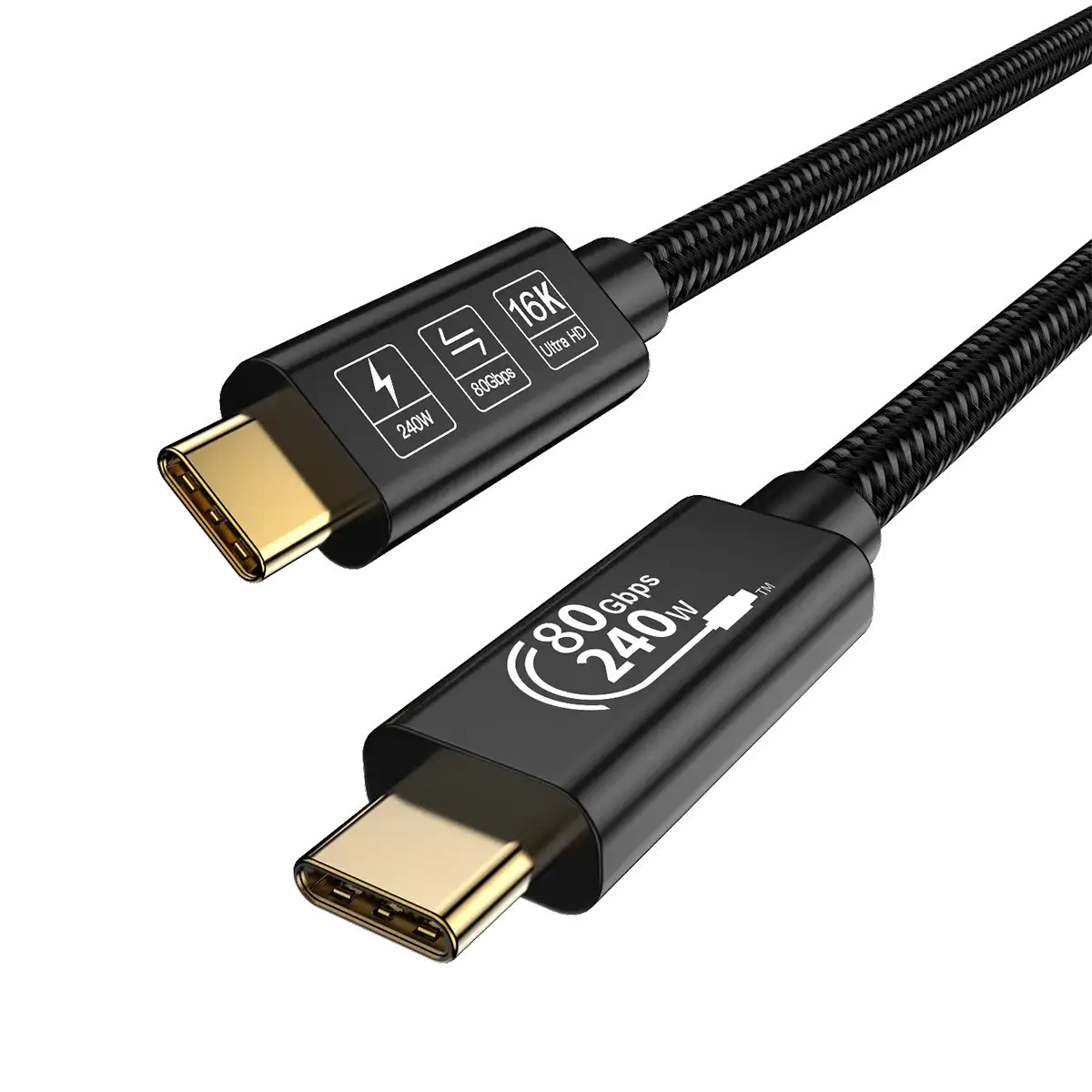
240W charging
80Gbps transmission
Advanced USB4 standards
These applications demand superior connector materials and manufacturing precision.
As a result, gold-plated phosphor bronze contacts will continue to play a critical role in next-generation USB cables.
Conclusion
Although USB connector pins are among the smallest components inside a cable, they perform one of the most important functions.
They serve as the:
Physical Contact Point for Power and Signal Transmission
Modern premium cables rely on:
Gold-Plated Phosphor Bronze Pins
because they provide:
Excellent conductivity
Corrosion resistance
High durability
Stable charging performance
Reliable data transfer
The next time you choose a USB cable, don’t just focus on charging wattage or cable appearance.
Pay attention to the connector pins because they are the foundation of every reliable charging and data connection.
USB cable.
Picture this: You’re sitting at your desk, engrossed in a project
Where Can I Buy a High-Quality Pd Fast Charging Cable?
1 cable
USB-C cables certainly.
Share This Artcle:

Fast delivery
Fastest delivery within 22 days

Quick proofing
Fastest 3-day proofing cycle

After-sale protection
24-month long warranty

1V1Customer Service
Professional customer service follow-up
Lorem ipsum dolor sit amet, consectetur adipiscing elit. Ut elit tellus, luctus nec ullamcorper mattis, pulvinar dapibus leo.