Charging with Apple Lightning cable-lightning cable wholesale
When most people buy a phone charging cable, they usually focus on things like charging speed, data transfer performance, connector quality, or cable durability.
However, there is one critical component hidden inside almost every high-quality cable that rarely gets attention:
Shielding Layer (Shielding)
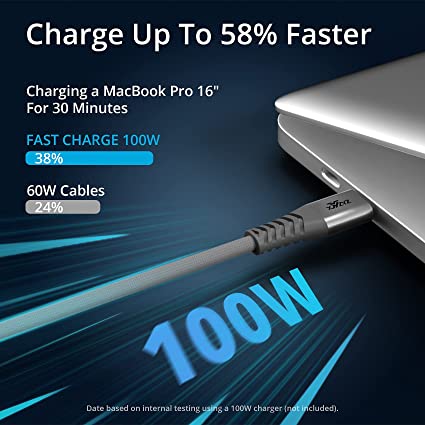
In modern smartphones, tablets, laptops, and other electronic devices, data transfer speeds and charging power continue to increase. A USB-C cable may carry up to 240W of power while simultaneously transmitting high-speed data.
Without proper shielding, these signals can easily be affected by electromagnetic interference, resulting in unstable charging, reduced transfer speeds, and communication errors.
This is why USB cable shielding has become one of the four core components of modern phone charging cables.
In this article, we will explain how aluminum foil shielding and braided metal shielding work together to create a powerful EMI protection barrier.
What Is Shielding in a USB Cable?
Simply put, shielding is a protective layer wrapped around the internal conductors of a cable.
Its primary purpose is to prevent:
Electromagnetic interference (EMI)
Radio frequency interference (RFI)
Signal degradation
Data transmission errors
You can think of shielding as a protective wall around the cable’s internal wires.
Without this wall, outside electromagnetic signals can interfere with the data and power flowing through the cable.
What Is EMI (Electromagnetic Interference)?
Before understanding shielding, it is important to understand EMI.
EMI (Electromagnetic Interference)
refers to unwanted electromagnetic energy that disrupts electronic signals.
EMI is everywhere around us.
Common sources include:
Smartphones
Wi-Fi routers
Bluetooth devices
Power adapters
Computer motherboards
Wireless chargers
Household appliances
Whenever electricity flows through a circuit, electromagnetic fields are generated.
When these fields interfere with nearby signals, communication problems can occur.
Why Is EMI a Problem for Charging Cables?
Modern USB-C cables do much more than charge devices.
They also handle:
High-speed data transfer
Fast charging communication
Power delivery negotiation
Device authentication
When EMI enters the cable, it may cause:
Slower transfer speeds
Data corruption
Charging interruptions
Device recognition failures
Increased heat generation
As cable technology advances, EMI protection becomes even more important.
How Does Aluminum Foil Shielding Work?
One of the most common shielding methods inside a charging cable is:
Aluminum Foil Shielding
This shielding layer consists of a thin aluminum foil wrapped around the cable’s internal conductors.
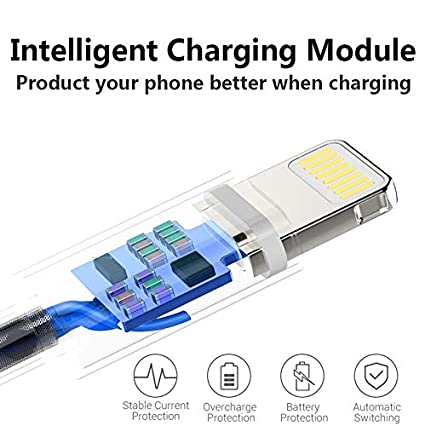
A simplified structure looks like this:
Wire Core
↓
Aluminum Foil Shielding
↓
Outer Jacket
Although the foil is very thin, it provides significant protection.
Benefits of Aluminum Foil Shielding
1. Excellent High-Frequency EMI Protection
High-speed USB signals operate at extremely high frequencies.
Aluminum foil is highly effective at blocking these high-frequency electromagnetic waves.
This helps maintain stable communication between devices.
2. Nearly 100% Coverage
Unlike some shielding materials, aluminum foil can completely wrap around the wire core.
This creates a continuous protective barrier against external interference.
3. Lightweight and Cost-Effective
Aluminum foil is:
Thin
Lightweight
Flexible
Easy to manufacture
This makes it one of the most widely used shielding materials in USB cables.
Why Is Braided Metal Shielding Also Necessary?
Although aluminum foil performs well against high-frequency interference, it has limitations.
For example:
It can tear under stress
It provides limited mechanical strength
It is less effective against certain low-frequency interference
To solve these issues, premium cables add another layer:
Braided Metal Shielding
What Is Braided Metal Shielding?
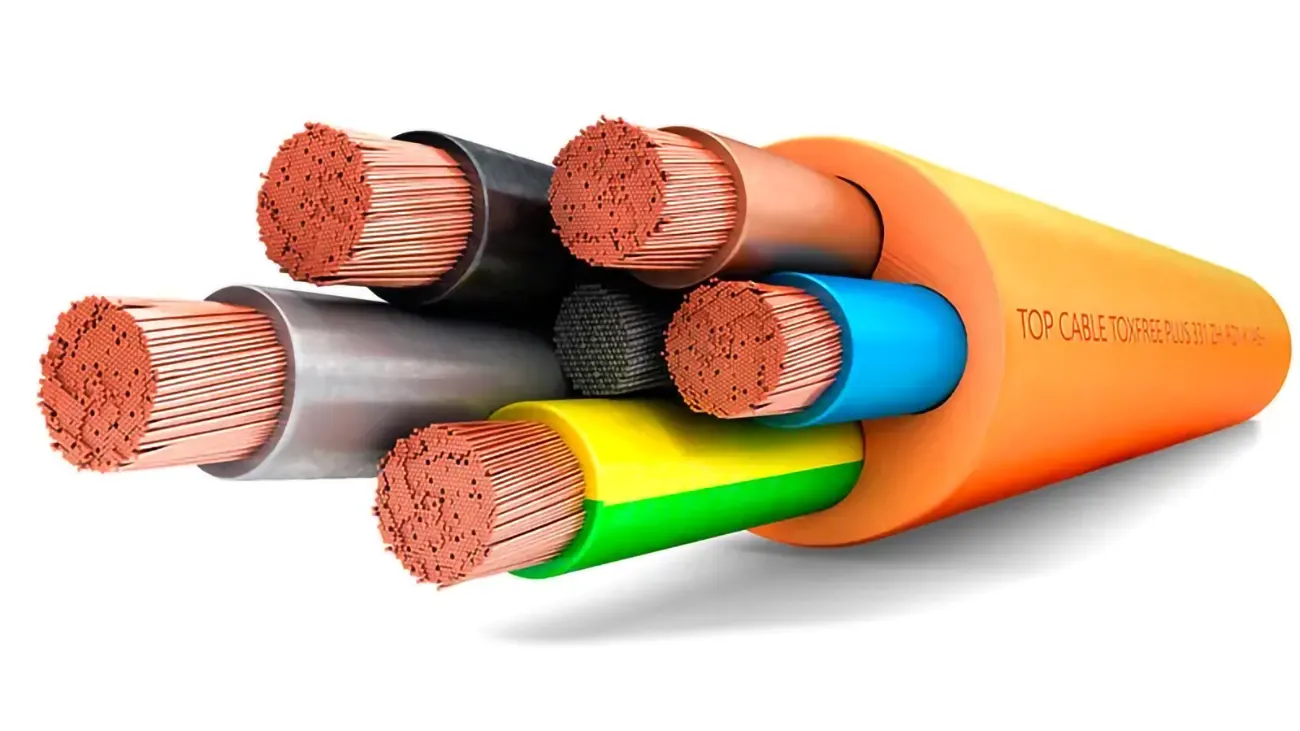
Braided shielding is made from dozens or even hundreds of fine metal wires woven together around the cable core.
It looks similar to a flexible metal mesh.
A simplified structure is:
Wire Core
↓
Aluminum Foil Shielding
↓
Braided Metal Shielding
↓
Outer Jacket
This design creates a stronger and more comprehensive EMI protection system.
Benefits of Braided Metal Shielding
1. Improved EMI Protection
Braided shielding helps block electromagnetic interference that may pass through the foil layer.
It is particularly effective against low-frequency interference.
2. Reduced Signal Crosstalk
Inside high-speed cables, multiple conductors operate close together.
Without proper shielding, signals can interfere with one another.
This phenomenon is known as:
Signal Crosstalk
Braided shielding helps isolate these signals and maintain transmission accuracy.
3. Increased Mechanical Strength
Braided metal shielding also improves cable durability.
It helps protect internal conductors from:
Bending
Twisting
Stretching
Physical damage
This is one reason premium USB-C cables typically last longer.
Why Do Premium USB-C Cables Use Dual-Layer Shielding?
High-quality USB-C cables often combine:
Aluminum Foil Shielding
Braided Metal Shielding
This creates a dual-layer shielding system.
Each layer serves a different purpose.
Aluminum Foil Handles:
High-frequency EMI
Radio frequency interference
Signal leakage
Braided Shielding Handles:
Low-frequency EMI
Mechanical reinforcement
Signal isolation
Together they form a highly effective EMI protection wall.
How Shielding Affects Fast Charging Performance
Many users assume shielding only impacts data transfer.
In reality, shielding also affects charging performance.
Modern fast charging standards such as:
USB Power Delivery (PD)
Qualcomm Quick Charge
PPS Fast Charging
require continuous communication between the charger and device.
If EMI disrupts this communication:
Charging speed may decrease
Fast charging may stop working
Charging power may fluctuate
Good shielding helps maintain stable communication throughout the charging process.
How Shielding Improves Data Transfer Speeds
High-speed standards such as:
USB 3.2
USB4
Thunderbolt 4
Thunderbolt 5
depend on extremely clean signals.
Even minor interference can cause:
Packet loss
Retransmission
Reduced bandwidth
Signal errors
Proper shielding helps maintain maximum transfer performance.
Why Cheap USB Cables Often Perform Worse
Many low-cost cables reduce production costs by using:
Thin foil layers
Low-density braided shielding
Incomplete coverage
Lower-quality materials
As a result, users may experience:
Slower charging
Unstable connections
Reduced transfer speeds
Shorter cable lifespan
This is why two cables that look similar on the outside can perform very differently.
How to Identify a Well-Shielded USB Cable
When choosing a cable, look for:
Certified Standards
USB-IF Certification
Thunderbolt Certification
PD Certification
Stable High-Speed Performance
A well-shielded cable should provide:
Consistent charging speeds
Reliable data transfer
Minimal signal interruption
Premium Construction
High-quality cables often include:
Dual-layer shielding
Braided shielding
Reinforced internal structures
The Future of USB Cable Shielding
As technology advances, cables continue to carry more power and data than ever before.
Future standards such as:
USB4 Version 2.0
Thunderbolt 5
240W USB-C Power Delivery
will place even greater demands on cable shielding systems.
Manufacturers will continue developing:
Better EMI protection
Higher-density shielding
Lower signal loss
Improved durability
to support next-generation devices.
Conclusion
Although shielding is hidden inside the cable, it plays a critical role in performance.
Modern charging cables rely on:
Aluminum Foil Shielding
and
Braided Metal Shielding
to create a powerful:
EMI Protection Barrier
Together, these shielding layers help ensure:
Stable fast charging
Reliable data transmission
Reduced signal interference
Better device compatibility
Longer cable lifespan
The next time you choose a USB-C cable, don’t just look at charging wattage or appearance.
Pay attention to the internal shielding structure, because it is one of the most important factors behind cable quality and performance.
USB cable.
Picture this: You’re sitting at your desk, engrossed in a project
Where Can I Buy a High-Quality Pd Fast Charging Cable?
1 cable
USB-C cables certainly.
Share This Artcle:

Fast delivery
Fastest delivery within 22 days

Quick proofing
Fastest 3-day proofing cycle

After-sale protection
24-month long warranty

1V1Customer Service
Professional customer service follow-up
Lorem ipsum dolor sit amet, consectetur adipiscing elit. Ut elit tellus, luctus nec ullamcorper mattis, pulvinar dapibus leo.