
This article provides a complete breakdown of mobile phone data cable manufacturing processes and component structures, covering everything from material composition, production workflow, critical manufacturing steps, and quality control to common failures and troubleshooting methods. Using simple but professional language, this guide explains every important stage involved in manufacturing charging and data cables while also offering practical solutions for quality inspection and defect analysis.
 A Detailed Look at the Manufacturing
Material Composition of Mobile Phone Data Cables
A mobile phone data cable is mainly composed of conductors, insulation layers, shielding layers, outer jackets, and connectors. Each component uses different materials and serves a specific purpose.
Conductors (Core Wires)
The internal conductor is usually made from copper or tinned copper. High-quality cables typically use pure copper or oxygen-free copper wires to ensure excellent conductivity and stable charging and data transmission efficiency.
Some low-cost products may use aluminum-magnesium alloy wires or aluminum conductors to reduce costs. However, these materials have lower conductivity compared to copper and are rarely used in high-performance data cables.
Most core wires are made from multiple thin copper strands twisted together. This design improves flexibility and prevents internal wire breakage after repeated bending.
Insulation Layer
The insulation layer surrounding the conductors is commonly made from PVC (Polyvinyl Chloride) or PE (Polyethylene) materials.
PVC is affordable, flame-retardant, and durable, making it one of the most widely used materials in data cable production.
However, PVC often contains plasticizers and chemical additives that may release odors or harmful substances over long-term use.
Another common material is TPE/TPR (Thermoplastic Elastomer).
Compared with PVC, TPE offers:
Better flexibility
Softer touch
Improved environmental friendliness
Better flame resistance
No strong chemical smell
This is why many premium brands such as Apple and Samsung have gradually adopted TPE materials for newer cable designs.
Some high-end cables also use:
Silicone jackets
Braided nylon sleeves
These materials improve durability, flexibility, and user experience.
Shielding Layer
High-quality data cables usually include shielding layers to reduce electromagnetic interference and improve signal stability.
The most common shielding methods include:
Aluminum foil shielding
Copper braided shielding
Aluminum foil helps block external signal interference, while copper braided mesh improves both mechanical strength and shielding performance.
Good shielding design significantly improves transmission stability and reduces signal loss.
Outer Jacket
The outer jacket protects the internal structure of the cable.
Common outer jacket materials include:
PVC
TPE
Braided nylon materials
PVC jackets are inexpensive but relatively stiff.
TPE jackets are softer, more flexible, and more resistant to bending damage, making them increasingly popular in premium charging cables.
Braided cable designs add an extra layer of woven nylon outside the PVC or TPE jacket. This improves:
Abrasion resistance
Tensile strength
Product appearance
However, braided cables also have higher manufacturing costs.
Connectors and Connector Housing
The connector section contains both the housing and internal contact pins.
Common housing materials include:
PC plastic
ABS plastic
Aluminum alloy
Zinc alloy
Plastic housings are lightweight and easy to manufacture through injection molding.
Metal housings provide:
Better strength
Improved heat dissipation
Premium appearance
However, they are usually heavier and more expensive.
Some advanced cables, especially Apple Lightning cables, also include built-in authentication chips inside the connector.
The internal pins and contact terminals are usually made from:
Gold-plated copper
Conductive alloy materials
These materials improve conductivity and corrosion resistance.
Mobile Phone Data Cable Manufacturing Process
The manufacturing process of a mobile phone data cable can generally be divided into the following major steps:
1. Raw Material Preparation
Manufacturers first prepare all required materials according to product specifications, including:
Conductors
Insulation tubes
Shielding foil
Plastic pellets
Metal housings
Wire materials are usually supplied in large rolls, while plastic materials are prepared for injection molding machines.
2. Wire Cutting and Stripping
Automatic wire cutting machines cut cables into specified lengths.
After cutting, wire stripping machines remove part of the insulation layer at the cable ends to expose the metal conductors for soldering.
The stripping length is usually controlled at around 6–7 mm.
3. Wire Sorting and Twisting
For multi-core cables such as USB or Type-C cables, different colored wires must be arranged according to wiring standards.
Factories often use positioning fixtures to align conductors correctly before soldering.
Twisting the wires also improves signal stability and flexibility.
4. Connector Soldering
The stripped conductors are soldered onto the connector PIN terminals.
Typically, manufacturers first apply tin coating to the wire ends before using automatic or manual soldering equipment to connect the wires to the metal terminals.
After soldering, electrical continuity testing is performed to ensure:
Correct wiring
No short circuits
Stable conductivity
5. Housing Assembly
Before or after soldering, the cable passes through pre-molded connector housings.
Workers must ensure:
Correct alignment
Proper orientation
Accurate logo direction
This step affects the final appearance quality.
6. Injection Molding (Overmolding)
The connector assembly is placed into an injection mold where soft materials such as TPE or PVC are injected around the soldering area.
This process:
Protects solder joints
Strengthens cable transitions
Improves durability
Creates a smooth appearance
Good overmolding ensures the cable and housing are tightly bonded together.
7. Quality Inspection
Finished cables must pass strict testing procedures, including:
Appearance inspection
Length measurement
Plug insertion testing
Conductivity testing
Bending fatigue testing
Pull force testing
Durability testing
These tests simulate long-term real-world usage conditions.
8. Final Packaging
Qualified products are cleaned, labeled with certifications such as:
CE
FCC
Then they are packaged according to customer requirements.
Critical Manufacturing Processes Connector Injection Molding
High-quality molds require extremely precise tolerances, often below 0.02 mm.
The molded housing must be:
Smooth
Scratch-free
Free from burrs
Free from shrinkage marks
This ensures proper bonding during overmolding.
Wire Stripping Process
Wire stripping accuracy directly affects soldering quality.
The stripping length must remain consistent, usually around 6–7 mm, without damaging the conductor strands.
Soldering Process
Modern cable production combines:
Automatic high-frequency soldering
Manual precision soldering
Most standard USB cables use automated soldering systems, while sensitive components such as Lightning authentication chips may require manual soldering.
Reliable soldering prevents:
Weak joints
Short circuits
Connection failures
Overmolding Process
The overmolding process requires precise temperature control.
Soft plastic materials are usually processed between 130°C and 170°C.
The molding material must flow evenly inside the housing to achieve:
Strong structural bonding
Smooth appearance
Reliable cable protection
Quality Control and Common Failures
Quality control covers the entire manufacturing process, from raw material inspection to final product testing.
Factories typically establish:
Incoming material inspection
In-process quality inspection
Random sampling inspection
Final shipment inspection
Common Testing Items
Typical testing procedures include:
Appearance and Dimension Testing
Inspect:
Surface scratches
Metal burrs
Rust
Cable length accuracy
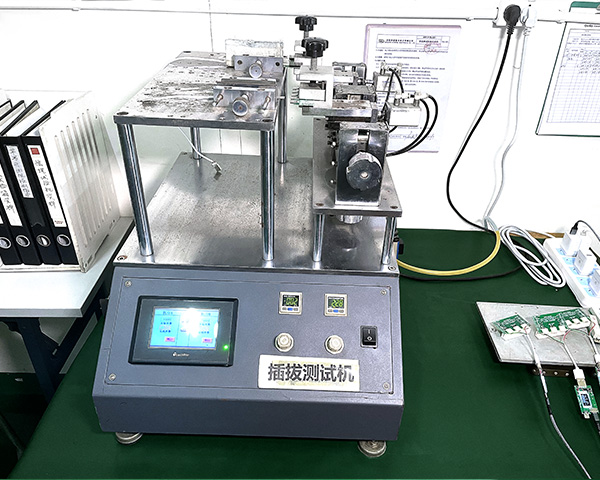
Insertion and Extraction Force Testing
Measure connector insertion and removal force to ensure proper compatibility with devices.
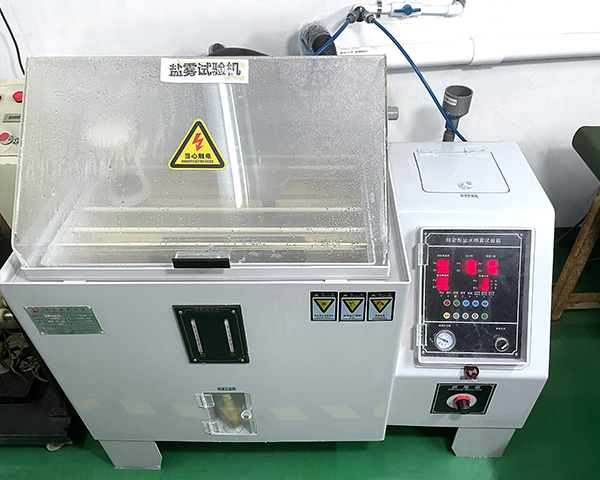
Insulation Withstand Voltage Testing
High-voltage testing ensures no electrical leakage or breakdown occurs between conductors and the outer housing.
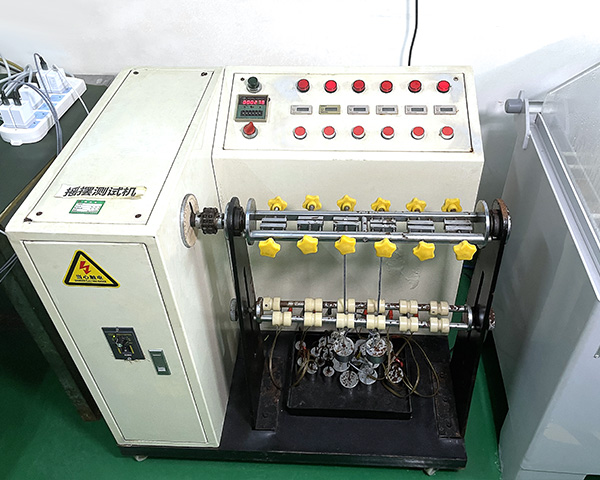
Bending Fatigue Testing
Repeated bending tests simulate long-term daily use.
Pull Force Testing
This test checks the cable’s resistance against sudden pulling forces.
Plug Durability Testing
Repeated insertion and removal testing evaluates connector lifespan and solder joint reliability.
Full Load Aging Testing
The cable operates continuously under load for several hours to verify temperature stability and performance reliability.
Common Data Cable Problems and Troubleshooting
Even with strict production standards, data cables can still develop problems over time.
Common failures include:
Outer jacket damage
Loose connector housings
Broken internal conductors
Short circuits
Braided layer fraying
Poor contact performance
Outer Jacket Damage
The most common issue occurs near the connector tail because repeated bending causes cracking.
Solutions include:
Reinforced overmolding
Softer materials
Silicone protection designs
Loose Connector Housing
Cheap cables often rely only on glue to secure the housing.
Over time, the housing may separate.
Better designs use:
Mechanical locking structures
Internal grooves
Additional reinforcement
Short Circuits or Weak Soldering
Because internal connector space is limited, solder joints may touch each other after long-term use.
High-quality manufacturers solve this issue by:
Adding insulating glue
Using internal separators
Improving soldering precision
Broken Internal Conductors
Sudden pulling forces can break the conductor wires.
Some premium manufacturers add Kevlar fiber reinforcement inside the cable to improve:
Tensile strength
Bending resistance
Durability
Braided Layer Fraying
Poor-quality braided cables may develop loose fibers and surface wear after extended use.
Poor Contact and Oxidation
Dirty or oxidized connector contacts may cause:
Slow charging
Data transfer failure
Regular cleaning and high-quality gold plating help reduce this problem.