
What Is Type C USB Cable? A Complete Technical Guide for B2B Buyers
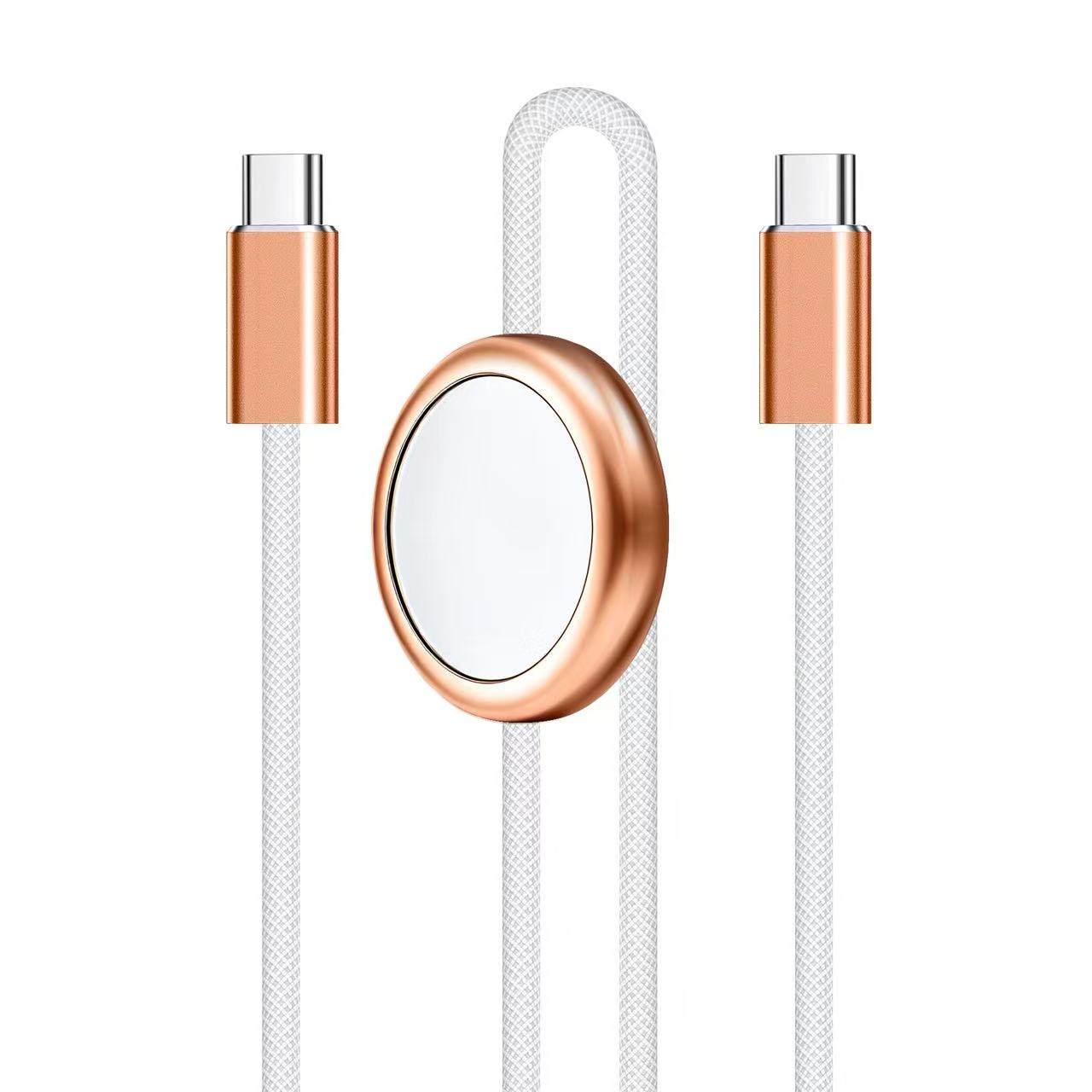
A Type C USB cable, also called a USB-C cable, is a modern USB cable that uses a small reversible Type-C connector for charging, data transfer, and video transmission. It supports different power levels and data speeds depending on its internal design and USB protocol compatibility.
What Is a Type C USB Cable?
How Does a Type C USB Cable Work?
A Type C USB cable is a cable equipped with a USB Type-C connector, which is the latest USB connector design developed to replace older USB connectors such as USB Type-A and Micro USB.
The main features of a Type C USB cable include:
Reversible connector design
Smaller physical size
Higher power delivery capability
Faster data transmission options
Support for multiple electronic devices
Unlike traditional USB cables, users do not need to check the plug direction before inserting a Type-C connector.
A Type C USB cable can be used for:
Smartphones
Tablets
Laptops
Monitors
Gaming devices
External hard drives
Power banks
Docking stations
For manufacturers and distributors, Type C USB cables are not just simple charging accessories. Their performance depends on internal materials, wiring design, and supported USB standards.
Why Was the Type C USB Cable Developed?
What Problems Did Type C USB Solve?
Before USB Type-C became popular, electronic products used different connectors:
| Connector | Shape | Main Limitation |
|---|---|---|
| USB Type-A | Large rectangular plug | Cannot insert reversely |
| Micro USB | Small trapezoid plug | Lower durability and limited power |
| Mini USB | Larger old-style connector | Limited modern applications |
| USB Type-C | Small oval connector | Designed for universal use |
The Type C USB cable was created to solve several problems:
Reduce the number of connector types
Improve user convenience
Increase charging capability
Support higher-speed data communication
What Does a Type C USB Cable Look Like?
How Can You Identify a Type C USB Cable?
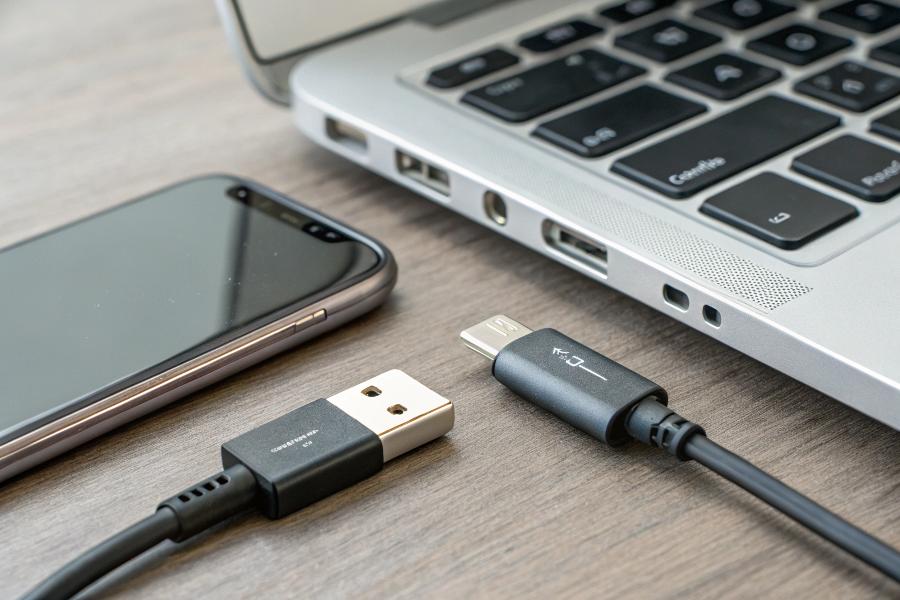
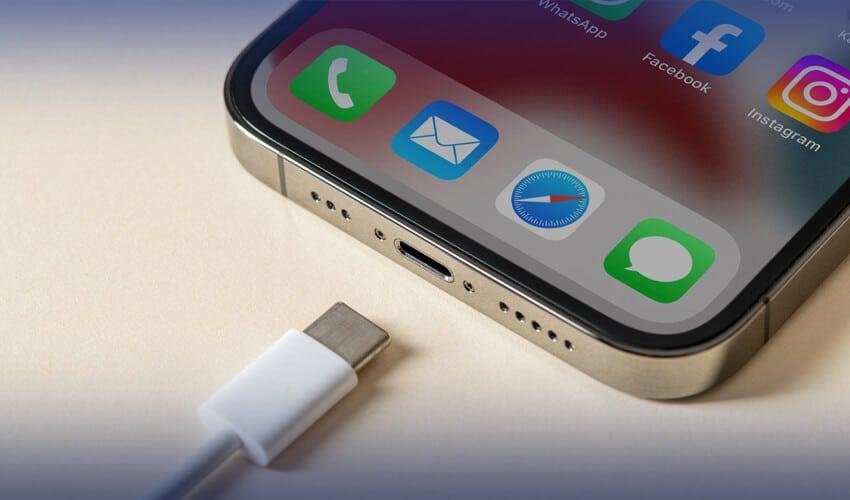
A Type C USB cable has a recognizable connector design:
Oval-shaped metal plug
Symmetrical structure
Rounded edges
Reversible connection
Similar appearance on both sides (for USB-C to USB-C cables)
Common Type C USB cable versions include:
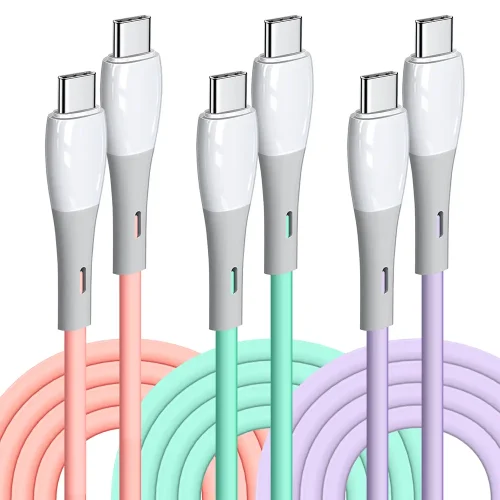
USB-C to USB-C Cable
Both ends use Type-C connectors.
Common applications:
Laptop charging
Fast smartphone charging
Monitor connection
High-speed data transfer
USB-A to USB-C Cable
One side uses the traditional USB-A connector, and the other side uses USB-C.
Common applications:
Older chargers
Computers
Power adapters
USB-C to Lightning Cable
One end uses USB-C and the other uses Apple Lightning.
Common applications:
iPhone charging
Apple accessories
Are All Type C USB Cables the Same?
Why Do Different Type C USB Cables Have Different Performance?
No. The Type-C connector only defines the physical interface. It does not guarantee:
Charging speed
Data speed
Power rating
Cable quality
Two Type C USB cables may look identical but have completely different specifications.
For example:
One cable may support:
5V/2A charging
USB 2.0 data
Another cable may support:
240W charging
USB4 40Gbps transfer
The differences come from:
Copper wire thickness
Internal cable structure
Connector design
Manufacturing process
What Are the Different Types of Type C USB Cables?
Which Type C USB Cable Should Businesses Choose?
The correct cable depends on the application.
| Type C USB Cable Type | Maximum Power | Data Speed | Application |
|---|---|---|---|
| Basic Type C Charging Cable | Up to 60W | 480Mbps | Smartphones, tablets |
| USB-C PD Cable | Up to 100W | USB 2.0/USB 3.x | Laptops and fast charging |
| USB-C 3.2 Cable | Up to 100W | Up to 20Gbps | SSDs and monitors |
| USB4 Type C Cable | Up to 240W | Up to 40Gbps | Professional devices |
For B2B purchasing, buyers should define:
Required charging wattage
Data transmission speed
Cable length
Device compatibility
Certification requirements
How Does Power Delivery Work in Type C USB Cables?
What Is USB PD 3.0 in Type C USB Cables?
USB Power Delivery (USB PD) is a charging protocol that allows devices and chargers to communicate and select the correct power level.
USB PD 3.0 supports:
Higher charging power
Intelligent power negotiation
Improved charging safety
Multiple voltage levels
Common USB PD power levels:
| USB PD Version | Maximum Power | Typical Use |
|---|---|---|
| PD 2.0 | 100W | Laptops and tablets |
| PD 3.0 | 100W | Smartphones and computers |
| PD 3.1 EPR | 240W | Gaming laptops and high-power devices |
A high-power Type C USB cable usually requires an E-marker chip.
The E-marker provides information about:
Maximum current
Cable capability
Power rating
USB specification
What Wire Size Is Used Inside a Type C USB Cable?
Why Is AWG Important for Type C USB Cable Quality?
AWG (American Wire Gauge) determines the thickness of the copper conductor.
A lower AWG number means thicker wire.
Thicker conductors provide:
Lower resistance
Better charging efficiency
Less heat generation
Common Type C USB cable wire sizes:
| Cable Application | AWG Range | Performance |
|---|---|---|
| Standard charging cable | 28AWG | Basic charging |
| Fast charging cable | 26AWG | Medium current |
| 60W USB-C PD cable | 24AWG–26AWG | Up to 3A |
| 100W USB-C cable | 22AWG–24AWG | Up to 5A |
| High-power cable | 20AWG–22AWG | Maximum current applications |
A manufacturer reducing copper thickness may create:
Slow charging
Excessive heat
Voltage loss
Poor durability
What Materials Are Used in High-Quality Type C USB Cables?
Is Pure Copper Important for Type C USB Cables?
Yes.
Professional Type C USB cables normally use pure copper conductors because copper provides:
Excellent electrical conductivity
Lower resistance
Better thermal performance
Some low-cost cables use Copper-Clad Aluminum (CCA).
| Material | Advantages | Disadvantages |
|---|---|---|
| Pure Copper | Better conductivity and durability | Higher material cost |
| CCA | Lower cost and lighter weight | Higher resistance and weaker performance |
For fast charging and laptop charging applications, pure copper is preferred.
How Are Type C USB Cables Manufactured?
What Quality Standards Should a Type C USB Cable Factory Follow?
A professional manufacturer should follow a controlled production process.
Important quality management standard:
ISO9001 Quality Management System
ISO9001 helps control:
Supplier management
Raw material inspection
Production procedures
Quality records
Customer complaints
A reliable factory normally operates:
IQC (Incoming Quality Control)
IPQC (Production Quality Control)
OQC (Outgoing Quality Control)
What Solder Technology Is Used in Type C USB Cable Production?
Why Is Lead-Free Solder Important?
Modern Type C USB cable manufacturers usually use lead-free solder to meet environmental requirements.
A common solder alloy is SAC305.
SAC305 composition:
Tin (Sn): 96.5%
Silver (Ag): 3.0%
Copper (Cu): 0.5%
Advantages:
RoHS compliant
Strong solder joints
Stable electrical performance
Typical solder processing:
Melting point: approximately 217°C
Manufacturing temperature: 240–260°C
Poor solder control may cause:
Connector failure
Increased resistance
Intermittent charging
Quality Inspector’s Advice:
“A Type C USB cable should be evaluated from the inside out. Connector appearance is only the first step. Always verify copper quality, AWG size, solder process, charging tests, and production inspection records.”
What Certifications Should a Type C USB Cable Manufacturer Provide?
Are UL and RoHS Certifications Necessary?
For global B2B markets, certifications are important.
Common certifications include:
| Certification | Purpose |
|---|---|
| RoHS | Controls hazardous substances including lead |
| REACH | Controls chemical materials |
| UL Certification | Improves safety acceptance in North America |
| ISO9001 | Quality management system |
| USB-IF Compliance | Confirms USB standard testing |
A professional supplier should provide:
Certification documents
Test reports
Material declarations
Factory audit information
How Should Businesses Select a Type C USB Cable Manufacturer?
What Should Buyers Check Before Placing Bulk Orders?
Before selecting a supplier, check:
Technical Capability
Can they produce USB PD 100W or 240W cables?
Do they support E-marker programming?
Can they manufacture USB4 cables?
Manufacturing Capability
ISO9001 certification
Production capacity
Quality inspection system
Testing equipment
Product Quality
Pure copper conductors
Correct AWG specifications
Stable connector design
Reliable solder process
Why Is Type C USB Cable Quality Important for Brands?
How Does Cable Quality Affect Customer Experience?
For electronics brands, cable quality directly affects:
Customer satisfaction
Product reputation
Warranty costs
Repeat purchases
A poor-quality Type C USB cable may cause:
Slow charging complaints
Device connection problems
Cable overheating
Product returns
A reliable cable supplier helps brands reduce these risks.
Conclusion: Understanding Type C USB Cables
A Type C USB cable is a modern connection solution that supports charging, data transfer, and advanced power delivery.
However, not every Type C USB cable provides the same performance.
B2B buyers should evaluate:
USB specification
Charging capability
AWG wire size
Copper material
E-marker support
Manufacturing standards
Certifications
Choosing the right Type C USB cable manufacturer ensures better product reliability, customer satisfaction, and long-term business value.
FAQ About Type C USB Cables
1. What is the difference between USB-C and Type C USB cable?
There is no difference. USB-C and Type C USB cable refer to the same connector standard.
2. Can a Type C USB cable support fast charging?
Yes, but the cable must support the required power rating, current level, and charging protocol such as USB PD 3.0.3. Are all Type C USB cables compatible with all devices?
Physically, many Type C cables fit the same ports, but charging speed and data functions may vary depending on cable specifications.
4. What is the best Type C USB cable for business purchasing?
The best cable depends on the application. Professional buyers should choose suppliers offering proper certifications, reliable materials, correct specifications, and consistent quality control.
USB cable.
Picture this: You’re sitting at your desk, engrossed in a project
Where Can I Buy a High-Quality Pd Fast Charging Cable?
FAQ
1 cable
USB-C cables certainly.
Share This Artcle:

Fast delivery
Fastest delivery within 22 days

Quick proofing
Fastest 3-day proofing cycle

After-sale protection
24-month long warranty

1V1Customer Service
Professional customer service follow-up
Lorem ipsum dolor sit amet, consectetur adipiscing elit. Ut elit tellus, luctus nec ullamcorper mattis, pulvinar dapibus leo.