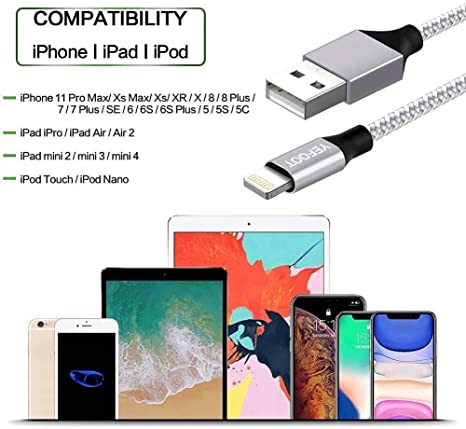
Lightning Cables USB- Apphone Lightning Cable Mfi Specification
When people buy a USB cable, HDMI cable, Ethernet cable, or charging cable, they often focus on charging speed or data transfer speed. However, one hidden component inside the cable plays a huge role in performance—the Shielding Layer.
The shielding layer acts like a protective wall inside the cable. Its job is to block unwanted electromagnetic signals from entering or leaving the cable.
These unwanted signals are known as EMI (Electromagnetic Interference).
Without proper shielding, electrical noise can affect signal quality, reduce charging efficiency, slow down data transfer, and even cause devices to malfunction.
This is why high-quality cables always include one or more layers of shielding.
Understanding EMI: The Invisible Enemy Around Us
Before discussing shielding, let’s first understand EMI.
EMI (Electromagnetic Interference) is unwanted electromagnetic energy generated by electronic devices.
In our daily lives, EMI comes from:
Smartphones
Wi-Fi routers
Bluetooth devices
Power adapters
Motors
Televisions
Computers
Microwave ovens
All these devices constantly emit electromagnetic waves.
Imagine you’re having a conversation in a crowded room. The louder the background noise becomes, the harder it is to hear the person speaking.
The same thing happens inside a cable.
The data signal is the conversation.
EMI is the background noise.
Too much interference means the signal becomes weaker, distorted, or corrupted.
This is exactly why EMI shielding is necessary.
How Does a Shielding Layer Work?
Think of the shielding layer as a security fence surrounding the cable conductors.
When external electromagnetic waves try to enter the cable, the shielding layer blocks or redirects them.
At the same time, it prevents internal signals from leaking outside.
This creates a stable environment where signals can travel smoothly and accurately.
The two most common shielding methods are:
Aluminum Foil Shielding
Braided Shielding
Many premium cables use both together for maximum protection.
What Is Aluminum Foil Shielding?
Aluminum Foil Shielding uses a thin layer of aluminum wrapped around the internal wires.
The foil creates a nearly complete barrier around the conductors.
Because the coverage can approach 100%, it is extremely effective at blocking high-frequency electromagnetic interference.
Advantages of Aluminum Foil Shielding
1. Excellent Coverage
The foil surrounds almost the entire cable core.
This means there are very few gaps where interference can enter.
2. Strong High-Frequency Protection
Modern devices operate at very high frequencies.
USB 3.0, USB4, Thunderbolt, HDMI 2.1, and high-speed Ethernet cables all benefit from foil shielding.
The foil is especially good at blocking:
Radio frequency noise
Wi-Fi interference
Cellular signal interference
High-frequency EMI
3. Lightweight Design
Aluminum foil is thin and lightweight.
It adds minimal bulk to the cable while providing excellent protection.
4. Lower Manufacturing Cost
Compared with some heavy-duty shielding materials, foil shielding is relatively affordable.
This makes it common in consumer electronics.
Limitations of Aluminum Foil Shielding
Although aluminum foil shielding offers excellent coverage, it is not perfect.
Less Flexible
Repeated bending can eventually damage the foil.
Lower Mechanical Strength
The thin foil layer can tear more easily than braided shielding.
Ground Connection Requirements
For optimal performance, foil shielding usually relies on a drain wire to maintain a proper grounding path.
What Is Braided Shielding?
Braided Shielding consists of numerous tiny metal wires woven together into a mesh structure.
These wires are typically made from:
Tinned copper
Copper
Aluminum alloy
The braided layer wraps around the cable core like a protective metal jacket.
How Braided Shielding Blocks EMI
Unlike foil shielding, braided shielding does not create a completely solid barrier.
Instead, it forms a tightly woven metal network.
When electromagnetic waves encounter the braid, the conductive metal absorbs and redirects the interference away from the signal wires.
The result is reduced noise and improved signal integrity.
Advantages of Braided Shielding
1. Superior Durability
Braided shielding can withstand constant bending and movement.
This makes it ideal for cables used daily.
2. Better Mechanical Strength
The metal weave adds physical protection to the cable.
It helps prevent damage caused by pulling, twisting, and flexing.
3. Excellent Low-Frequency EMI Protection
Braided shielding performs particularly well against lower-frequency interference.
4. Reliable Grounding
Because the braid is made from interconnected metal strands, grounding is often more effective and consistent.
Limitations of Braided Shielding
Coverage Is Not 100%
The woven structure naturally contains tiny openings.
Depending on braid density, coverage may range from 60% to 95%.
Higher Cost
More metal means higher material costs.
Increased Weight
Braided shields are generally heavier than foil shields.
Why Do Premium Cables Use Both Shielding Types?
Many high-end cables combine:
Aluminum Foil Shielding
PLUS
Braided Shielding
This design creates a powerful EMI Protection Wall.
The foil layer blocks high-frequency interference.
The braided layer provides durability and additional low-frequency protection.
Together they deliver comprehensive shielding performance.
This is commonly found in:
USB4 cables
Thunderbolt cables
HDMI 2.1 cables
Cat6A Ethernet cables
Cat7 Ethernet cables
Industrial communication cables
Medical equipment cables
Single Shield vs Double Shield vs Triple Shield
Single Shield
One shielding layer only.
Suitable for basic applications.
Double Shield
Usually:
Aluminum Foil Shielding
Braided Shielding
Provides much better EMI protection.
Triple Shield
May include:
First Foil Layer
Braided Layer
Second Foil Layer
Designed for ultra-high-speed signal transmission.
Used in professional and industrial environments.
How Shielding Improves Cable Performance
A good shielding structure helps:
Faster Data Transmission
Less interference means fewer transmission errors.
More Stable Charging
Power delivery remains consistent.
Better Audio Quality
Reduces unwanted noise and signal distortion.
Better Video Quality
Prevents flickering, signal drops, and image artifacts.
Longer Cable Lifespan
Extra protection helps internal conductors remain intact.
How to Choose a Cable With Good Shielding
When purchasing a cable, look for descriptions such as:
EMI Shielding
Double Shielded Cable
Foil Shielded
Braided Shielded
Multi-Layer Shielding
Triple Shield Protection
These keywords usually indicate better signal protection and higher reliability.
For USB-C, HDMI, and Ethernet cables, double shielding is often the preferred choice.
Final Thoughts
Although users rarely see the inside of a cable, the Shielding Layer is one of the most important components affecting performance.
Aluminum Foil Shielding provides nearly complete coverage and excellent high-frequency EMI protection.
Braided Shielding offers superior durability, grounding performance, and low-frequency interference resistance.
When combined, these two technologies create a strong EMI Protection Wall that keeps signals clean, stable, and reliable.
Whether you’re choosing a USB-C cable, HDMI cable, Ethernet cable, or charging cable, paying attention to the shielding structure can make a significant difference in overall performance.
USB cable.
Picture this: You’re sitting at your desk, engrossed in a project
Where Can I Buy a High-Quality Pd Fast Charging Cable?
1 cable
USB-C cables certainly.
Share This Artcle:

Fast delivery
Fastest delivery within 22 days

Quick proofing
Fastest 3-day proofing cycle

After-sale protection
24-month long warranty

1V1Customer Service
Professional customer service follow-up
Lorem ipsum dolor sit amet, consectetur adipiscing elit. Ut elit tellus, luctus nec ullamcorper mattis, pulvinar dapibus leo.