
How Our Factory Ensures Full RoHS & REACH Compliance in Custom USB Cable Production
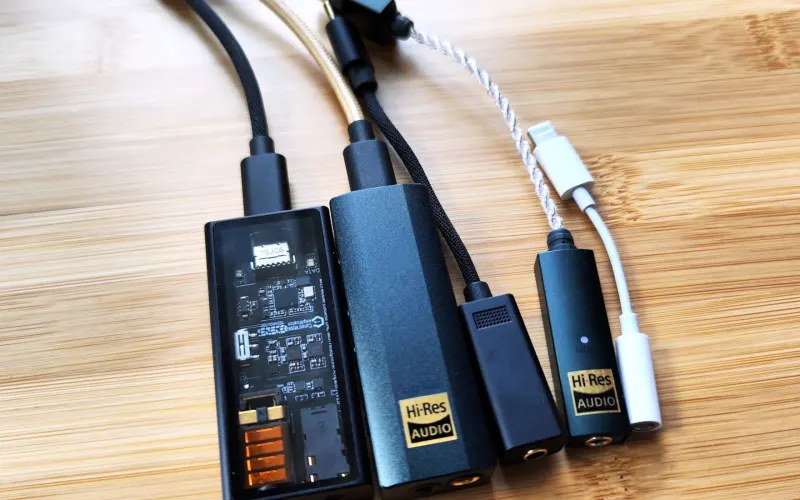
Our factory ensures full RoHS and REACH compliance through strict material control, supplier verification, production inspections, chemical testing, and complete documentation management throughout custom USB cable manufacturing.
Why Are RoHS and REACH Compliance Important for USB Cable Manufacturing?
Why Do Global Buyers Require Compliance Documents?
For international USB cable suppliers, compliance with RoHS (Restriction of Hazardous Substances) and REACH (Registration, Evaluation, Authorisation and Restriction of Chemicals) is a basic requirement for entering major markets such as the European Union, United Kingdom, and other regulated regions.
USB cables contain multiple materials, including:
Copper conductors
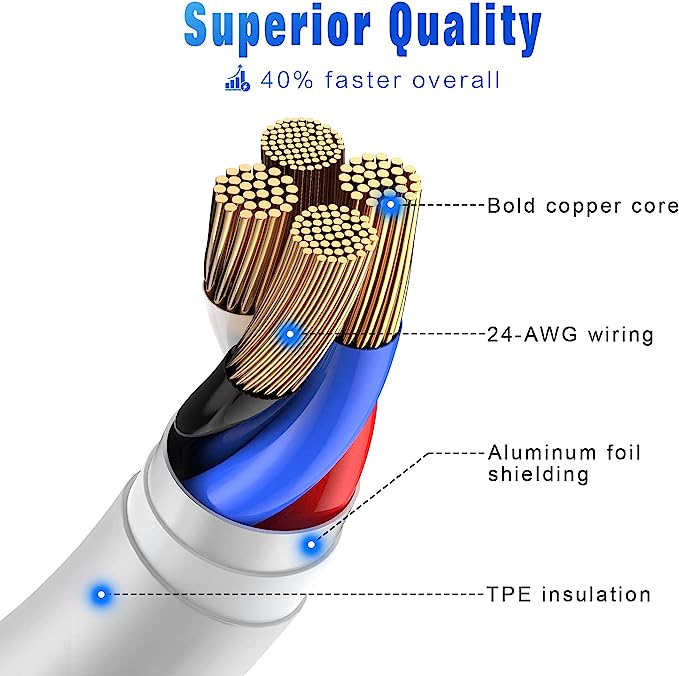
PVC, TPE, or nylon jackets
Metal connector shells
Solder materials
Plastic insulation components
Electronic components such as E-Marker IC chips
Each material must meet strict chemical requirements to prevent restricted substances from entering the supply chain.
For B2B buyers, compliance reduces:
Import risks
Product recalls
Legal issues
Customer complaints
Brand reputation damage
What Is RoHS Compliance for USB Cables?
Which Substances Does RoHS Control?
RoHS (Restriction of Hazardous Substances) limits specific hazardous materials used in electrical and electronic products.
The current RoHS requirements restrict 10 substances:
| Restricted Substance | Maximum Limit |
|---|---|
| Lead (Pb) | 0.1% |
| Mercury (Hg) | 0.1% |
| Cadmium (Cd) | 0.01% |
| Hexavalent Chromium (Cr VI) | 0.1% |
| Polybrominated Biphenyls (PBB) | 0.1% |
| Polybrominated Diphenyl Ethers (PBDE) | 0.1% |
| Bis(2-Ethylhexyl) Phthalate (DEHP) | 0.1% |
| Benzyl Butyl Phthalate (BBP) | 0.1% |
| Dibutyl Phthalate (DBP) | 0.1% |
| Diisobutyl Phthalate (DIBP) | 0.1% |
These limits are calculated based on homogeneous materials.
For example:
Copper conductor coating
Connector plating
Plastic housing
Each material layer must comply separately.
What Is REACH Compliance?
How Is REACH Different From RoHS?
While RoHS focuses mainly on restricted substances in electronic products, REACH controls chemical substances throughout the supply chain.
REACH focuses on:
Chemical registration
Substance evaluation
Restricted substances
SVHC (Substances of Very High Concern)
The REACH SVHC candidate list is regularly updated and currently contains hundreds of substances requiring monitoring.
For USB cable production, common areas of concern include:
Plasticizers in PVC jackets
Heavy metals in plating
Chemicals in adhesives
Additives in polymer materials
How Does Our Factory Control Raw Materials?
How Do We Prevent Non-Compliant Materials From Entering Production?
Compliance starts before manufacturing begins.
Our incoming material control process includes:
1. Approved Supplier Management
We only work with suppliers that can provide:
RoHS test reports
REACH declarations
Material safety documents
Factory compliance records
Supplier documents are reviewed before materials are approved.
2. Incoming Quality Inspection (IQC)
Every incoming material batch is inspected.
Typical inspection items include:
| Material | Inspection Items |
|---|---|
| Copper Wire | Material specification, conductivity |
| PVC/TPE Jacket | RoHS & REACH compliance |
| Connector Shell | Metal composition, plating quality |
| Solder Wire | Lead-free confirmation |
| E-Marker IC | Component compliance documents |
Materials without proper documentation are rejected or placed on hold.
How Do We Ensure Lead-Free USB Cable Production?
What Solder Materials Are Used?
Modern USB cable production commonly uses SAC305 lead-free solder.
Typical composition:
Tin (Sn): 96.5%
Silver (Ag): 3.0%
Copper (Cu): 0.5%
Advantages include:
Stable solder joints
Good electrical conductivity
Compliance with RoHS requirements
Typical solder processing parameters:
Melting point: approximately 217°C
Reflow temperature: 240–260°C
Using certified lead-free solder prevents excessive lead content in finished products.
How Are USB Cable Components Tested for Compliance?
What Testing Methods Are Used?
Professional manufacturers use different testing methods depending on customer requirements.
Common compliance tests include:
XRF Material Testing
X-ray fluorescence (XRF) testing is commonly used for rapid screening of materials.
It can detect:
Lead
Mercury
Cadmium
Chromium
Other metallic elements
Typical applications:
Connector shells
Metal terminals
Plated components
Laboratory Chemical Testing
For complete compliance verification, samples may be tested by certified laboratories.
Testing may include:
RoHS chemical analysis
REACH SVHC screening
Phthalate testing
Halogen testing
How Does Our Production Process Maintain Compliance?
Is Compliance Controlled During Manufacturing?
Yes.
Compliance is not only checked before production. It is controlled throughout the manufacturing process.
Our production quality process includes:
Incoming Quality Control (IQC)
Checks:
Raw materials
Supplier documents
Material certificates
In-Process Quality Control (IPQC)
Checks:
Assembly processes
Soldering quality
Connector installation
Cable appearance
Outgoing Quality Control (OQC)
Before shipment:
Finished product inspection
Sample testing
Packaging verification
Documentation review
This prevents non-compliant products from reaching customers.
What USB Cable Materials Require the Most Attention?
Which Components Have Higher Compliance Risks?
Different components have different compliance challenges.
| Component | Common Compliance Risk |
|---|---|
| PVC Jacket | Phthalates |
| TPE Jacket | Chemical additives |
| Metal Connector | Lead, nickel, heavy metals |
| Solder Joints | Lead content |
| Plastic Housing | Restricted flame retardants |
| Adhesives | Chemical substances |
A professional supplier must control every component, not only the finished cable.
How Does ISO9001 Support Compliance Management?
Why Is Quality Management Important?
An ISO9001-certified factory uses documented processes to maintain consistent quality.
ISO9001 helps control:
Supplier approval
Material traceability
Production records
Inspection procedures
Corrective actions
A typical quality system includes:
IQC (Incoming Quality Control)
IPQC (In-Process Quality Control)
OQC (Outgoing Quality Control)
This system helps ensure every production batch follows the same compliance requirements.
What Other Certifications Should USB Cable Buyers Request?
Which Documents Prove Manufacturing Reliability?
Before placing bulk orders, buyers should request:
| Document | Purpose |
|---|---|
| RoHS Report | Hazardous substance testing |
| REACH Report | Chemical compliance |
| Material Declaration | Component transparency |
| ISO9001 Certificate | Quality management |
| UL Certification | Electrical safety |
| Test Reports | Product verification |
For premium USB-C cables, buyers may also request:
USB-IF compliance documents
PD 3.0 compatibility reports
E-Marker certification records
Electrical safety test results
Quality Inspector’s Advice:
“Compliance cannot be achieved by testing only the final cable. The most reliable approach is controlling every material supplier, maintaining full traceability, and verifying documentation before production starts.”
How Can OEM Buyers Verify a Factory’s Compliance Capability?
What Questions Should Buyers Ask Before Cooperation?
Before selecting a USB cable manufacturer, buyers should ask:
Material Control
Can you provide RoHS and REACH reports?
Are materials traceable by production batch?
Do suppliers provide compliance declarations?
Manufacturing Process
Is the factory ISO9001 certified?
Are incoming materials inspected?
Are production records maintained?
Product Testing
Are XRF tests available?
Are third-party laboratory reports available?
Can compliance documents be provided before shipment?
A reliable supplier should be able to provide transparent documentation instead of only making verbal compliance claims.
Conclusion
Full RoHS and REACH compliance in custom USB cable production requires more than obtaining a certificate. It requires complete control over raw materials, supplier management, production processes, testing procedures, and documentation.
A professional USB cable manufacturer ensures compliance by:
Selecting approved material suppliers
Inspecting incoming components
Using RoHS-compliant materials such as SAC305 solder
Performing chemical testing
Maintaining ISO9001 quality systems
Providing complete compliance documentation
For B2B buyers, choosing a manufacturer with strong compliance management reduces supply chain risks and helps ensure products meet international market requirements.
FAQ
1. What is the difference between RoHS and REACH compliance?
RoHS mainly restricts hazardous substances in electronic products, such as lead, mercury, and certain plasticizers. REACH focuses on chemical management throughout the supply chain, including SVHC substances.
2. Are all USB cables automatically RoHS compliant?
No. USB cables require compliant materials and controlled manufacturing processes. Low-cost cables may contain restricted substances if suppliers do not properly manage materials.
3. What documents should buyers request from a USB cable manufacturer?
Buyers should request RoHS reports, REACH declarations, material declarations, ISO9001 certificates, and relevant third-party testing reports.
4. How does a factory maintain USB cable compliance during production?
A reliable factory maintains compliance through supplier control, incoming material inspection, in-process quality checks, final inspections, material traceability, and complete documentation management.
USB cable.
Picture this: You’re sitting at your desk, engrossed in a project
Where Can I Buy a High-Quality Pd Fast Charging Cable?
FAQ
1 cable
USB-C cables certainly.
Share This Artcle:

Fast delivery
Fastest delivery within 22 days

Quick proofing
Fastest 3-day proofing cycle

After-sale protection
24-month long warranty

1V1Customer Service
Professional customer service follow-up
Lorem ipsum dolor sit amet, consectetur adipiscing elit. Ut elit tellus, luctus nec ullamcorper mattis, pulvinar dapibus leo.