
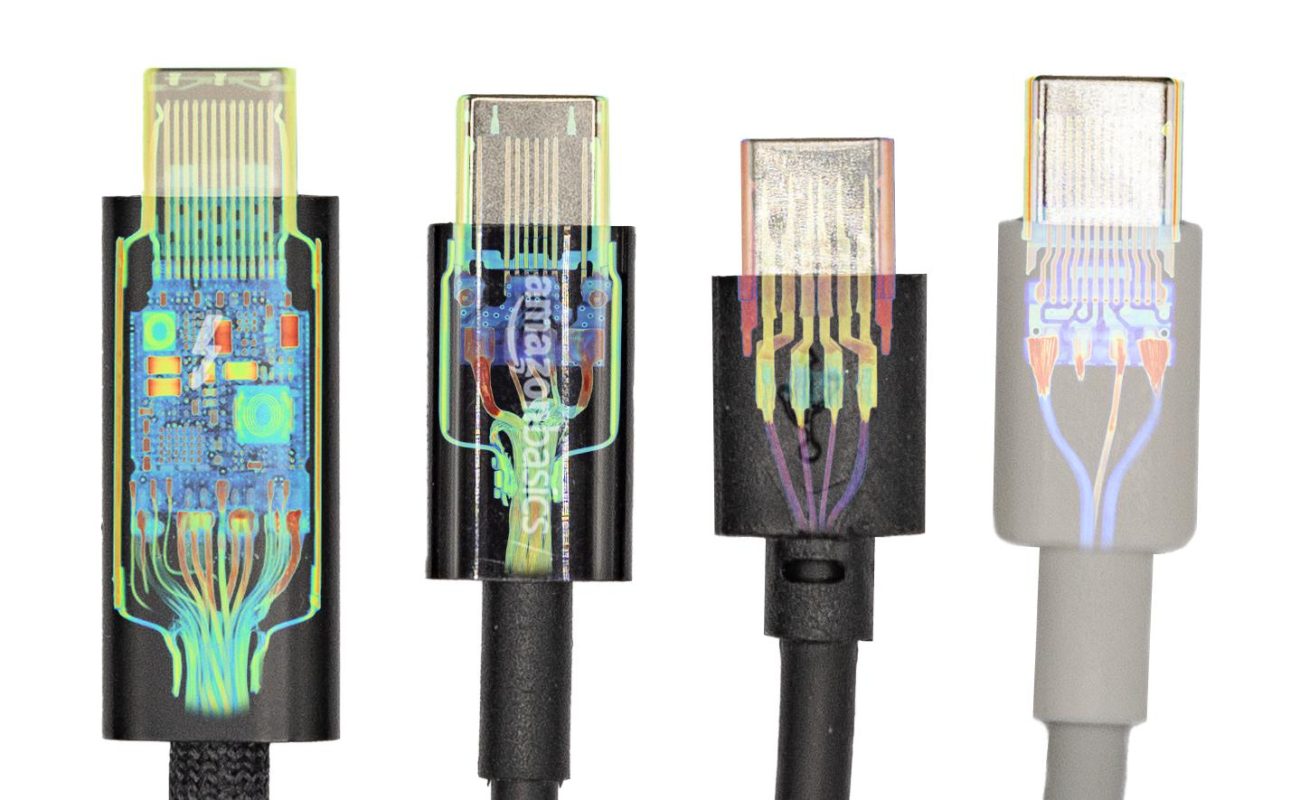
When most people buy a phone charging cable,
they only focus on:
How many watts of fast charging it supports
Whether it supports high-speed data transfer
Whether the outer layer is braided
Whether the connector is gold-plated
But very few people pay attention to:
Shielding Layer
In reality,
one of the most important technologies inside a high-quality charging cable is:
The EMI Electromagnetic Interference Protection System
Without proper shielding,
even if your cable supports:
100W fast charging
USB4
Thunderbolt
40Gbps transmission
it may still suffer from:
Data loss
Unstable charging
Signal disconnection
Noise interference
Severe overheating
That is why modern premium charging cables almost always include:
Aluminum Foil Shielding
Braided Metal Shielding
Multi-layer EMI protection structures
Today we’ll explain everything in simple language and fully break down:
What Is the Shielding Layer Inside a Phone Charging Cable?
1. What Is a Cable Shielding Layer?
Simply put:
The shielding layer is:
The “Protective Wall” Inside the Cable
Its main purpose is:
Blocking Electromagnetic Interference (EMI)
What Is EMI (Electromagnetic Interference)?
Whenever electrical current flows,
it creates:
Electromagnetic Waves
For example:
Smartphones
Computers
WiFi devices
Bluetooth devices
Chargers
Power adapters
all generate electromagnetic interference.
This interference can affect:
Data transmission
Fast charging communication
Signal stability
Especially today,
as charging power increases
and transmission speed becomes faster,
EMI problems become more serious.
2. Why Do High-Speed Charging Cables Need Shielding?
During the old USB2.0 era,
transmission speed was relatively low.
EMI problems were not very noticeable.
But now we have entered the era of:
USB3.2
USB4
Thunderbolt 4
Thunderbolt 5
where transmission speeds can reach:
10Gbps
20Gbps
40Gbps
80Gbps
At these speeds,
even tiny interference can affect signal quality.
That is why:
Shielding Has Become One of the Core Structures Inside High-Speed Cables
3. What Is Aluminum Foil Shielding?
One of the most common shielding structures used in charging cables today is:
Aluminum Foil Shielding
1. What Does Aluminum Foil Shielding Look Like?
Simply put,
a thin metal aluminum foil layer wraps around the internal wire core.
The structure looks like this:
Wire Core → Aluminum Foil Wrap → Outer Jacket
Although the foil is extremely thin,
its function is very important.
2. What Is the Purpose of Aluminum Foil Shielding?
Its biggest role is:
Blocking High-Frequency Electromagnetic Interference
Especially for:
USB high-speed signals
PD fast charging communication
High-frequency data transmission
the effect is very noticeable.
3. Why Can Aluminum Foil Reduce Interference?
Because metal materials naturally:
Reflect and Absorb Electromagnetic Waves
When external EMI enters the cable,
the aluminum foil can:
Absorb interference
Reflect interference
Isolate interference
This helps maintain more stable internal signals.
4. Advantages of Aluminum Foil Shielding
(1) High Coverage Rate
Aluminum foil can:
Fully Wrap the Wire Core
providing more complete protection.
(2) Relatively Low Cost
Compared with more complex metal structures,
aluminum foil is:
Lighter
Thinner
Easier for mass production
(3) Excellent High-Frequency Protection
Especially against:
High-Frequency EMI
its performance is highly effective.
4. Why Do Premium Charging Cables Also Use Braided Metal Shielding?
Using only aluminum foil is not enough.
Because aluminum foil has one weakness:
Limited Tensile Strength
Also,
its low-frequency interference protection is limited.
That is why premium charging cables also include:
Braided Metal Shielding
5. What Is Braided Metal Shielding?
Simply put,
ultra-thin metal wires are woven together like a fishing net
around the wire core,
forming:
A Metal Protective Mesh
1. Why Use a Braided Structure?
Because braided structures can:
Shield EMI
Maintain flexibility
while also:
Improving Tensile Strength
2. What Are the Functions of Braided Metal Shielding?
(1) Enhanced EMI Protection
Especially against:
Low-Frequency Electromagnetic Interference
its effect is even more obvious.
(2) Reducing Signal Crosstalk
Inside high-speed cables,
different signals can interfere with one another.
Braided shielding helps:
Reduce Crosstalk
making data transmission more stable.
(3) Improving Structural Strength
Many premium charging cables are more resistant to bending.
One major reason is the internal braided metal structure.
6. Why Do High-End Charging Cables Use Double Shielding?
Many truly high-quality charging cables use:
Double Shielding Structures
For example:
Wire Core
↓
Aluminum Foil Shielding
↓
Braided Metal Shielding
↓
Outer Jacket
Because different shielding layers protect against different frequency ranges.
What Does Aluminum Foil Mainly Protect Against?
It mainly handles:
High-Frequency EMI Protection
What Does Braided Metal Shielding Mainly Handle?
It mainly provides:
Low-Frequency EMI Protection
while also improving structural stability.
7. Why Do Cheap Charging Cables Lose Speed Easily?
Many low-cost cables reduce manufacturing costs by:
Reducing shielding layers
Removing braided shielding
Using incomplete aluminum foil coverage
Using ultra-thin materials
As a result:
Data transmission becomes unstable
USB speed cannot reach full performance
Fast charging disconnects randomly
The cable becomes more vulnerable to interference
Especially in:
Car environments
Multi-device environments
Gaming setups
the problems become more obvious.
8. What Problems Can EMI Cause?
Many people think:
“As long as the cable charges, it’s fine.”
But EMI issues can create major problems.
1. Data Packet Loss
During high-speed transfer,
EMI may cause:
File corruption
Copy failures
Speed fluctuations
2. Unstable Fast Charging
PD charging protocols require real-time communication.
If EMI is too strong,
it may cause:
Repeated handshake failures
Reduced charging power
Charging interruptions
3. Device Overheating
Under severe interference,
the system may:
Increase compensation
Raise power consumption
which increases temperature.
4. Audio Noise
Especially for:
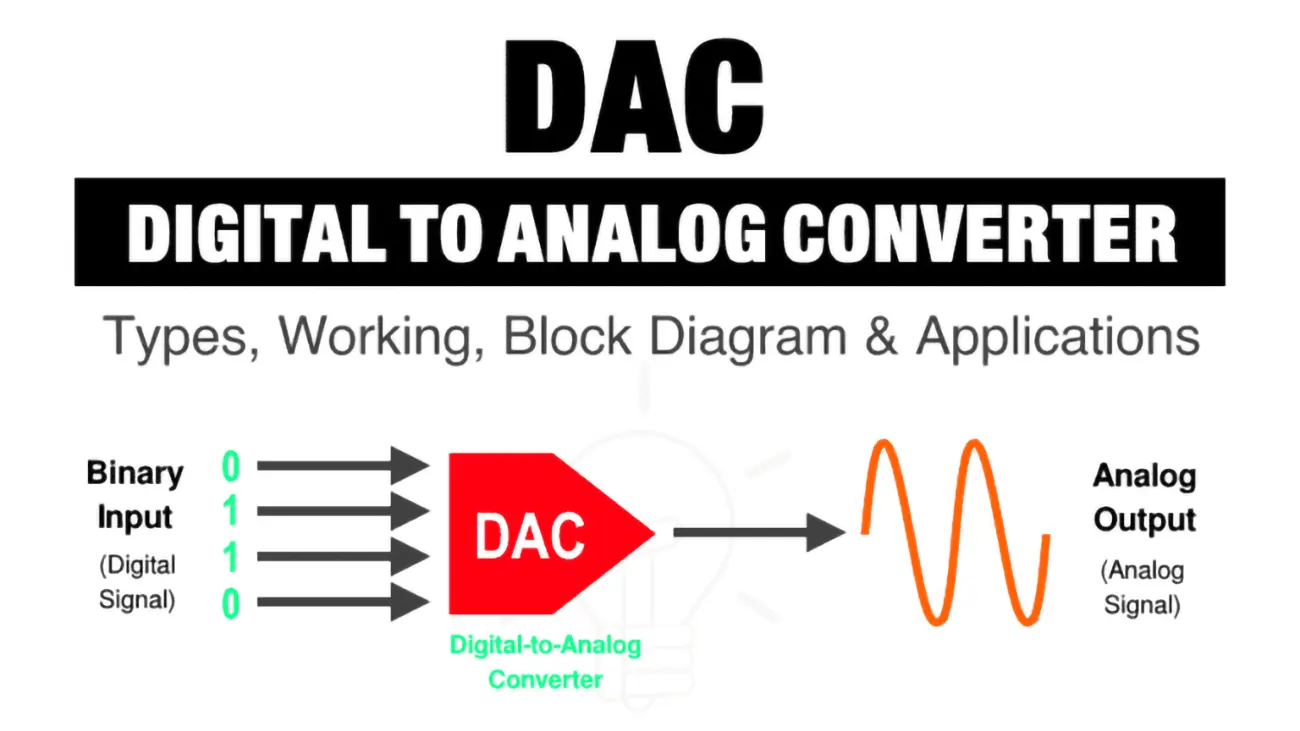
DAC cables
Headphone adapter cables
EMI may create:
Electrical Noise
9. Why Do USB4 and Thunderbolt Require Better Shielding?
Because:
the faster the transmission speed,
the more fragile the signal becomes.
For example:
Thunderbolt 5
can now achieve:
80Gbps
At these speeds,
even tiny interference may cause:
Speed drops
Bit errors
Signal attenuation
That is why future high-speed cables will place increasing focus on:
EMI Shielding
10. How to Judge Whether a Cable Has Good Shielding
Here are several easy methods.
Check Cable Thickness
True high-speed cables are usually not extremely thin.
Because internally they require:
Shielding layers
Braided structures
Isolation layers
Check Transmission Stability
A truly high-quality cable should provide stable transfer speeds
without random fluctuations.
Check Resistance to Interference
Low-quality cables may experience problems near:
Routers
Power supplies
Vehicle electronics
Check for Certifications
Premium cables usually include certifications such as:
USB-IF Certification
Thunderbolt Certification
PD Certification
Conclusion
Many people think charging cables are simply “copper wires.”
But premium charging cables are actually:
Precision EMI Protection Systems
Especially:
Aluminum Foil Shielding
and
Braided Metal Shielding
which together create:
An EMI Electromagnetic Interference Protection Wall
These structures determine:
Data transmission stability
Fast charging stability
Interference resistance
Device compatibility
Cable lifespan
So when choosing a charging cable in the future,
don’t only focus on:
Charging power
Appearance
Price
You should also pay attention to:
The Quality of the Internal Shielding Structure
Aluminum Foil Shielding Structure Diagram


Braided Metal EMI Shielding Structure


Double-Layer EMI Shielding Cable Internal Structure

Fast delivery
Fastest delivery within 22 days

Quick proofing
Fastest 3-day proofing cycle

After-sale protection
24-month long warranty

1V1Customer Service
Professional customer service follow-up