
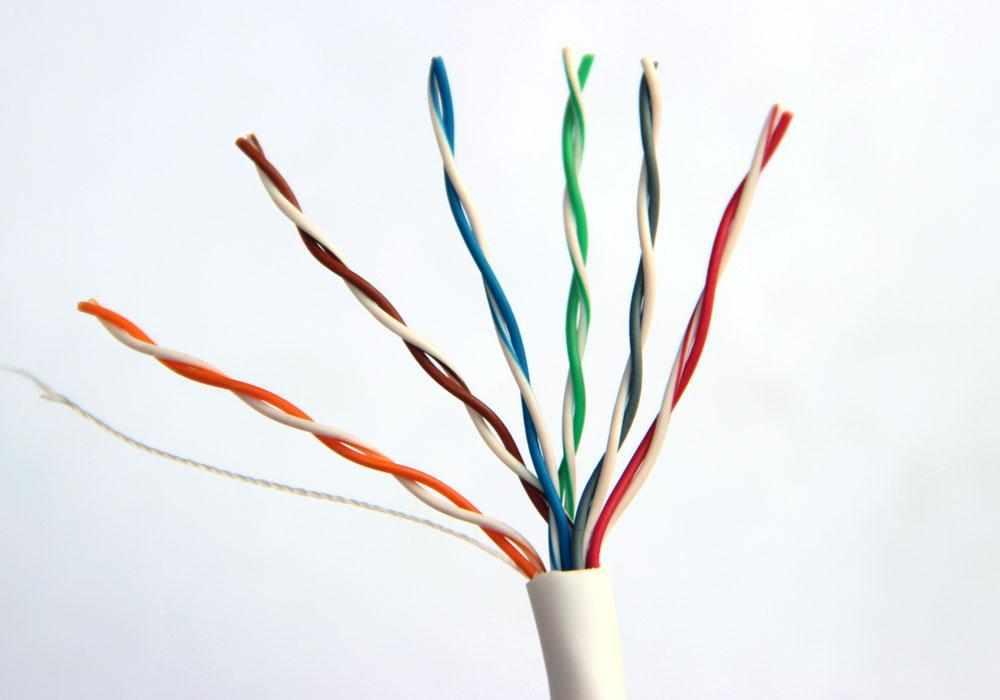
When people buy a phone charging cable, they usually only care about:
How many watts of fast charging it supports
Whether it can transfer data
Whether the outer material looks durable
Whether the price is cheap or expensive
But the real factor that determines cable quality is not just the outer braided layer.
The true core of a charging cable is hidden inside:
The Wire Core
You can think of it this way:
The outer layer is the “skin,”
while the internal wire core is the real “blood vessels” and “nervous system.”
If the wire core quality is poor:
Charging speed becomes slower
The cable overheats easily
Data transfer becomes unstable
Internal wires break more easily
Overall lifespan becomes much shorter
A high-quality phone charging cable usually contains several key internal structures:
VCC/GND Power Wires
D+/D- Twisted Pair Signal Wires
Tinned Copper Conductors
Kevlar Reinforcement Fibers
Today, we’ll explain everything in simple language so you can fully understand the internal structure of modern charging cables.
1. What Is a Wire Core Inside a Charging Cable?
Simply put:
If a charging cable were a highway,
then:
The power wires are the trucks transporting electricity
The signal wires are the high-speed communication lanes
Kevlar fibers are the steel reinforcement framework
All these components are packed inside the cable.
This is what we call:
Wire Core
Many people think a charging cable is just “a piece of copper wire.”
But that is completely wrong.
Modern fast charging cables are highly complex internally.
Especially:
USB-C cables
PD fast charging cables
USB4 cables
Thunderbolt cables
These products are now closer to miniature electronic systems.
2. What Are VCC/GND Power Wires?
Inside every charging cable, the most basic and important components are:
VCC/GND Power Wires
These wires are responsible for actual power delivery.
What Does VCC Mean?
VCC can be understood as:
Positive Power Supply Wire
It carries electrical current from the charger to the phone.
For example:
5V
9V
12V
20V
All these voltages travel through the VCC wire.
What Does GND Mean?
GND refers to:
Ground Wire (Negative Return Path)
It completes the electrical circuit.
Without GND:
Current cannot circulate
Charging cannot work properly
So:
VCC + GND
together form the complete power supply system.
3. Why Do Premium Charging Cables Use Tinned Copper?
Most high-quality charging cables today use:
Tinned Copper
as the conductor material.
What Is Tinned Copper?
In simple terms:
It is copper wire coated with a layer of tin
The structure looks like this:
Copper Core → Tin Coating
Why Not Use Pure Copper Directly?
Because although pure copper has excellent conductivity,
it has one major weakness:
It oxidizes very easily
Over time:
The copper turns black
Electrical resistance increases
Heat generation becomes worse
Fast charging becomes unstable
Especially in humid environments.
Advantages of Tinned Copper
1. Better Oxidation Resistance
The tin coating isolates the copper from air exposure.
This helps prevent oxidation.
That is one reason premium cables last longer.
2. More Stable Soldering
After tin coating:
Soldering quality improves
Internal solder joints become more reliable
3. Improved Corrosion Resistance
Especially under:
High-temperature conditions
Humid environments
Long-term fast charging usage
tinned copper remains more stable.

4. What Are D+/D- Twisted Pair Signal Wires?
Many people think charging cables are only for charging.
Actually:
Data transmission is equally important
And the real components responsible for data communication are:
D+ / D- Signal Wires
What Are D+ and D-?
Simply put:
They are the communication channels used for data transfer.
For example:
Transferring photos
Transferring videos
Connecting to computers
Apple CarPlay
Android Auto
all depend on D+/D- wires.
Why Are They Made as Twisted Pairs?
This is a very important technology.
In high-quality cables:
D+ and D- wires are twisted around each other to form:
Twisted Pair Wires
Most people do not realize this structure exists for one major reason:
Anti-Interference Protection
Why Do Twisted Pairs Reduce Interference?
When electrical signals travel through wires,
they generate electromagnetic interference.
If signal wires are poorly designed,
problems may occur such as:
Data loss
Unstable transmission
Speed drops
Signal errors
The twisted structure helps:
Cancel electromagnetic interference
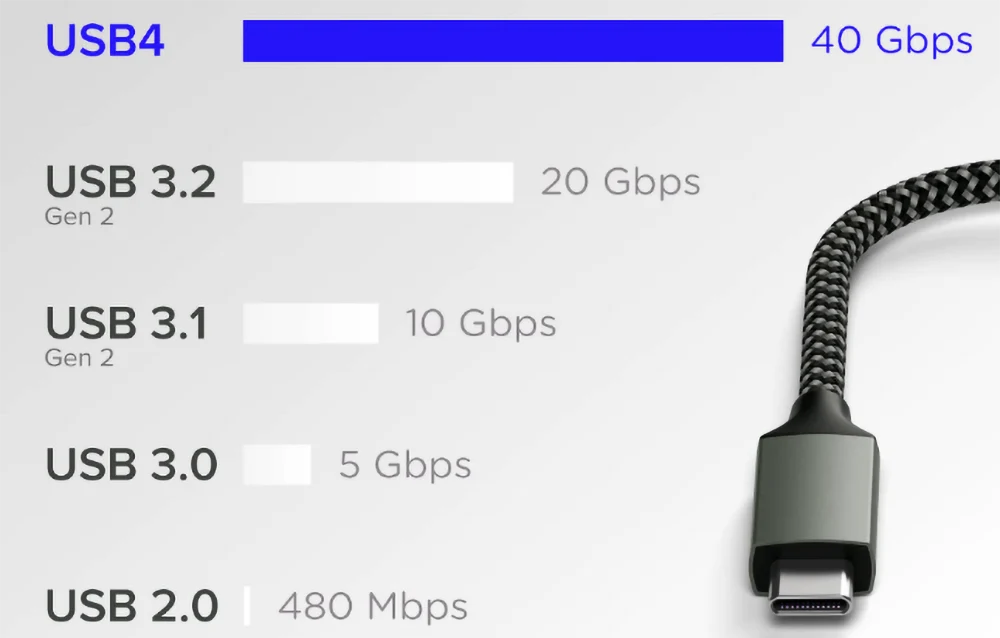
This is why high-speed USB transmission requires twisted pair wiring.
Why Are Cheap Cables Slow at Data Transfer?
Many low-cost cables suffer from:
Poor twisting density
Lack of shielding layers
Extremely thin signal wires
Poor manufacturing quality
As a result:
Even USB 2.0 speeds may not be fully achieved
File transfers become slow
Connections disconnect easily

5. What Is the Purpose of Kevlar Reinforcement Fiber?
Many people notice:
Some charging cables are extremely durable,
while others break easily after light pulling.
The difference is usually here:
Kevlar Reinforcement Fiber
What Is Kevlar?
Kevlar is a:
Super High-Strength Fiber Material
It was originally used in:
Bulletproof vests
Aerospace materials
Military equipment
Later, it became widely used in premium charging cables.
Why Do Charging Cables Need Kevlar?
Because in many cases,
charging cables do not fail because of aging.
They fail because of:
Pulling Force and Bending Stress
Especially during:
Gaming while charging
Pulling cables aggressively
Frequent bending
Long-term cable twisting
These actions can easily break internal copper wires.
How Does Kevlar Protect Charging Cables?
Kevlar fibers wrap around the internal wire core to create:
A Tensile Reinforcement Layer
So when the cable is pulled,
the Kevlar absorbs most of the force,
instead of the delicate copper wires inside.
Why Do Premium Apple Cables Also Emphasize Tensile Strength?
Because modern users place cables under heavy daily stress.
Charging cables are constantly exposed to:
Bending
Pulling
High temperatures
Therefore:
Tensile Durability
has become one of the key standards for premium charging cables.
6. Why Are Fast Charging Cables Thicker?
Many people notice that:
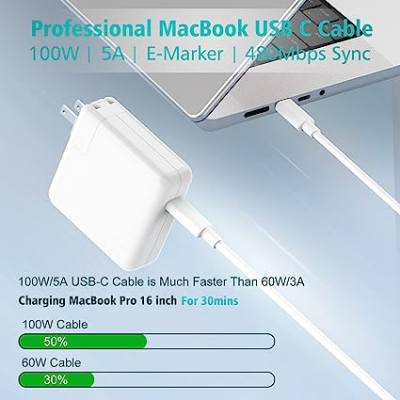
100W fast charging cables are obviously thicker.
The reason is simple:
Higher-Grade Internal Wire Cores
Thicker Power Wires
Higher charging power means:
Higher electrical current.
For example:
100W = 20V × 5A
A 5A current is very large.
If the copper wires are too thin:
Resistance increases
Heat rises quickly
Power loss becomes severe
So thicker wires are required.
More Complex Shielding Structures
High-end charging cables often include:
Aluminum foil shielding
Braided shielding
Ground isolation layers
to reduce interference.

7. How to Identify Good Internal Wire Core Quality
Here are several easy methods.
Check Cable Flexibility
High-quality cables should feel:
Flexible
Durable
Not too stiff
Not overly soft
Extremely stiff cables may crack easily.
Overly soft cables may use low-quality materials.
Check Charging Stability
If:
Charging power fluctuates
Charging disconnects repeatedly
the internal wire quality may be poor.
Check Heat Generation
Low-quality wires usually have:
Higher resistance
More heat buildup
during charging.
Check Data Transfer Stability
A truly high-quality cable should provide:
Stable fast charging
Stable high-speed data transfer
at the same time.


8. Future Trends of Charging Cable Wire Cores
Future charging cables will become even more advanced internally.
Especially with the development of:
USB4
Thunderbolt 5
AI devices
Ultra-fast charging systems
wire core requirements will continue increasing.
Future development focuses include:
Lower resistance
Higher heat resistance
Better anti-interference performance
Greater flexibility
Stronger tensile durability
Conclusion
Many people think charging cables only differ on the outside.
But the real performance depends on the:
Wire Core
Inside every premium charging cable are several critical structures:
VCC/GND Power Wires
D+/D- Twisted Pair Signal Wires
Tinned Copper Conductors
Kevlar Reinforcement Fibers
Together, they determine:
Fast charging stability
Data transfer speed
Tensile strength
Product lifespan
Overall safety
So next time you choose a charging cable,
don’t only look at the outer appearance.
Pay attention to the internal wire core structure and materials.
That is what truly determines cable quality.


Fast delivery
Fastest delivery within 22 days

Quick proofing
Fastest 3-day proofing cycle

After-sale protection
24-month long warranty

1V1Customer Service
Professional customer service follow-up