Products information

products blog information

6

UL94-V0 Flame Retardant Standards for USB Cable Connectors & Jackets Explained

UL94-V0 is a flame retardant classification that evaluates how quickly a plastic material stops burning after ignition. For USB cable connectors and jackets, UL94-V0 materials help reduce fire risks, improve product safety, and meet requirements for professional electronics applications. Why Are Flame Retardant Standards Important for USB Cables? Why Do USB Cable Materials Need Fire […]

UL94-V0 Flame Retardant Standards for USB Cable Connectors & Jackets Explained Read More »

Apple PD Fast Charging Cable

What Is USB-IF Certification and Does Your Custom Cable Brand Really Need It?

USB-IF certification is a compliance program that verifies USB products meet official USB specifications for safety, performance, and interoperability. Custom cable brands should consider certification for high-speed USB cables, USB-C products, and commercial distribution to reduce compatibility risks and improve market credibility. What Is USB-IF Certification? Why Was USB-IF Created? USB-IF (USB Implementers Forum) is

What Is USB-IF Certification and Does Your Custom Cable Brand Really Need It? Read More »

Key features of DAC chips

How Our Factory Ensures Full RoHS & REACH Compliance in Custom USB Cable Production

Our factory ensures full RoHS and REACH compliance through strict material control, supplier verification, production inspections, chemical testing, and complete documentation management throughout custom USB cable manufacturing. Why Are RoHS and REACH Compliance Important for USB Cable Manufacturing? Why Do Global Buyers Require Compliance Documents? For international USB cable suppliers, compliance with RoHS (Restriction of

How Our Factory Ensures Full RoHS & REACH Compliance in Custom USB Cable Production Read More »

ordinary nylon braided USB C cable

Why Some USB-C Cables Don’t Work: Common Causes, Testing Methods, and B2B Sourcing Guide

Some USB-C cables don’t work because they may have incorrect wiring, poor-quality components, insufficient power capability, missing protocol support, damaged connectors, or failed manufacturing processes. A USB-C connector does not guarantee charging, data transfer, or video compatibility. Why Does a USB-C Cable Sometimes Fail? Why Can a Cable Look Normal but Not Work? USB-C has

Why Some USB-C Cables Don’t Work: Common Causes, Testing Methods, and B2B Sourcing Guide Read More »

white plastic case iPhone 15 cable

How to Tell If a Charging Cable Is Genuine Apple

You can identify a genuine Apple charging cable by checking its certification, connector quality, printed markings, materials, charging performance, and packaging. Authentic cables meet Apple’s quality requirements and provide safe, reliable charging and data transfer. Why Is It Important to Identify a Genuine Apple Charging Cable? What Are the Risks of Using Counterfeit Cables? Counterfeit

How to Tell If a Charging Cable Is Genuine Apple Read More »

GEN level of USB transmission

Aluminum Foil vs. Braid Shielding: How Dual Shielding Prevents Signal Loss in Premium Cables

Aluminum foil shielding and braided shielding serve different purposes in USB cable construction. Aluminum foil provides excellent high-frequency EMI protection, while braided shielding offers superior mechanical strength and low-frequency noise suppression. Combining both creates dual shielding that minimizes signal loss and improves overall cable reliability. Why Is Shielding Important in USB Cable Manufacturing? What Causes

Aluminum Foil vs. Braid Shielding: How Dual Shielding Prevents Signal Loss in Premium Cables Read More »

3A 60W Imitation Ceramic Shell TPE USB type C to C Cable (2)

Seamless One-Piece vs. Two-Piece Split USB-C Connectors: Durability & Manufacturing Differences

Seamless one-piece USB-C connectors generally provide better structural strength, improved appearance, and greater long-term durability than two-piece split connectors. However, two-piece connectors remain a cost-effective solution for many standard charging cables and OEM applications. Why Does USB-C Connector Construction Matter? Is the Connector Housing Important? Yes. While buyers often focus on charging speed or data

Seamless One-Piece vs. Two-Piece Split USB-C Connectors: Durability & Manufacturing Differences Read More »

Anti breakage gradient nylon braided USB A to Lightning cable Details 2

TPE vs. Nylon Braided vs. PVC: Material Comparison for Custom USB Cable Manufacturing

TPE, nylon braided, and PVC are the three most common jacket materials used in USB cable manufacturing. TPE offers flexibility, PVC provides cost efficiency, and nylon braided cables deliver the best abrasion resistance and durability. The right choice depends on your product positioning, target market, and OEM requirements. Why Does USB Cable Jacket Material Matter?

TPE vs. Nylon Braided vs. PVC: Material Comparison for Custom USB Cable Manufacturing Read More »

USB A to Lightning Adapter

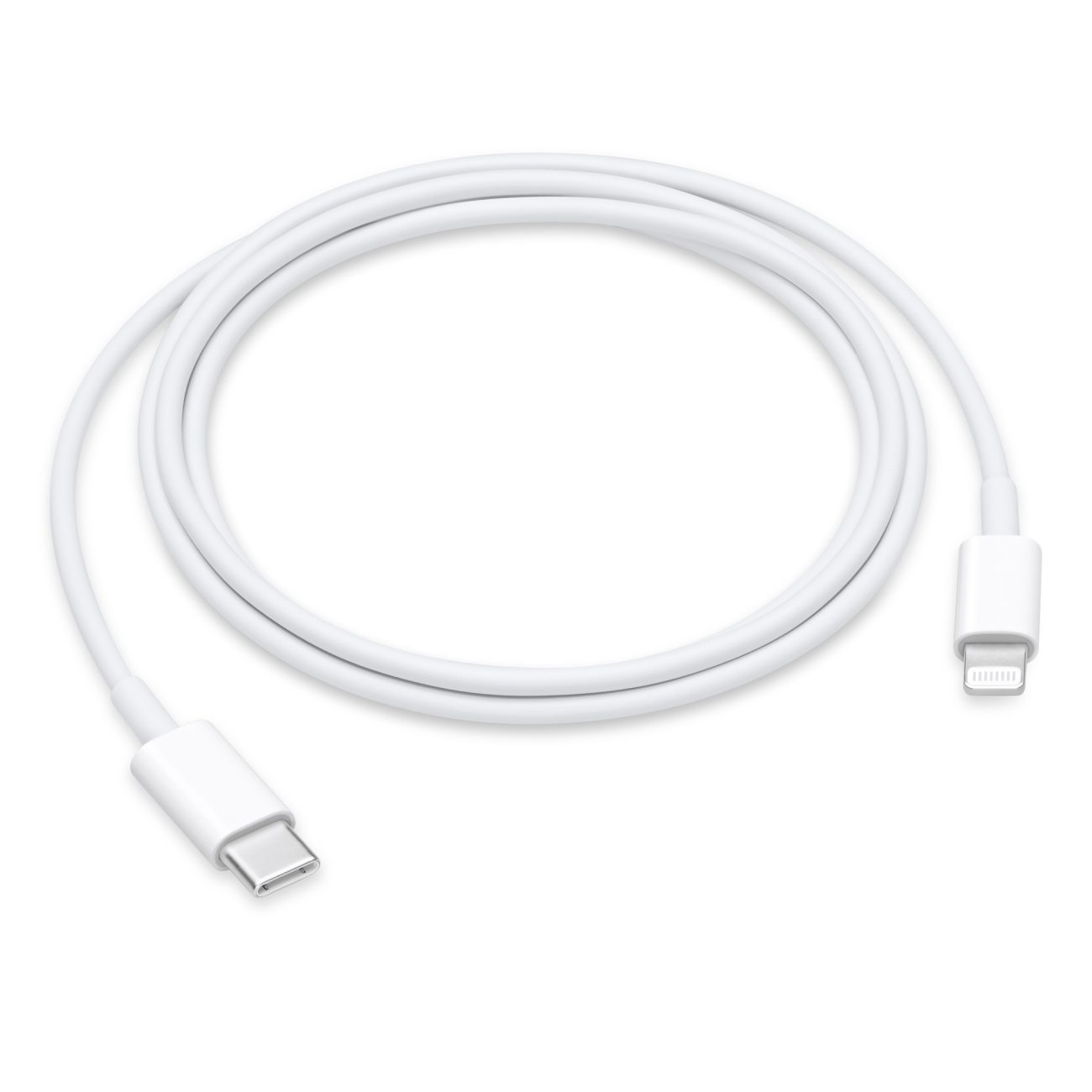
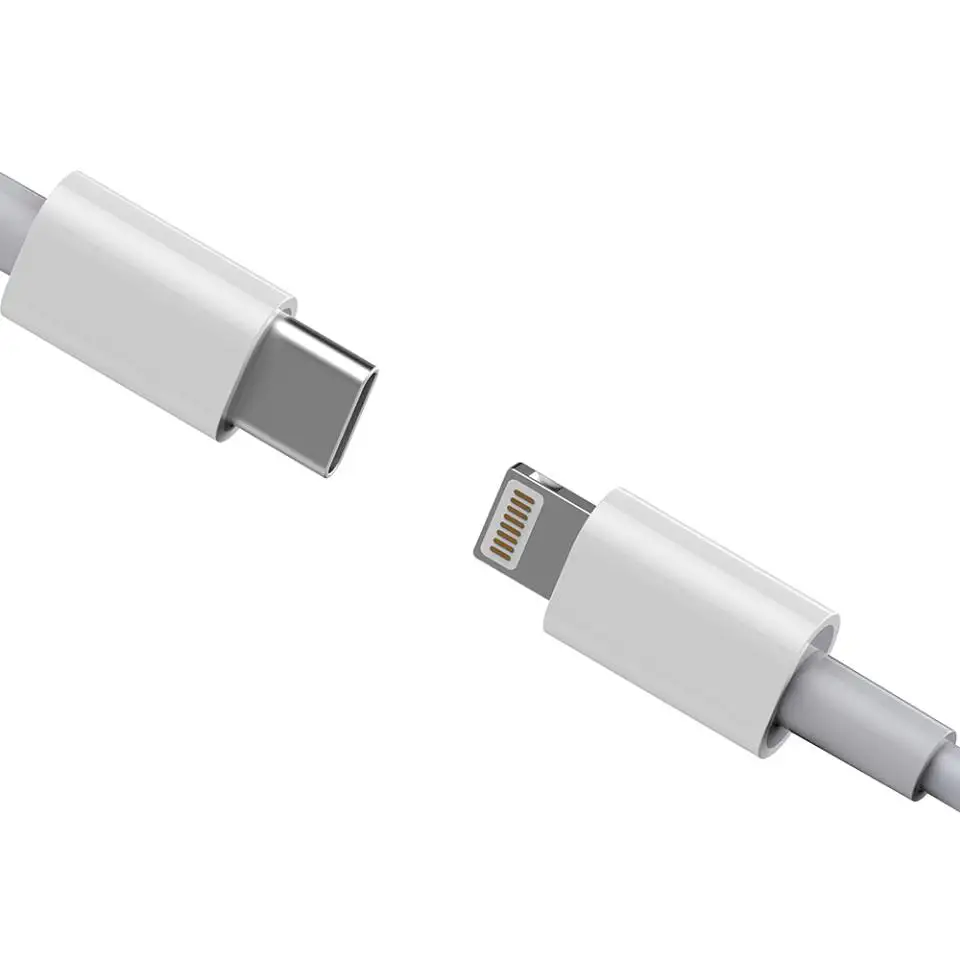
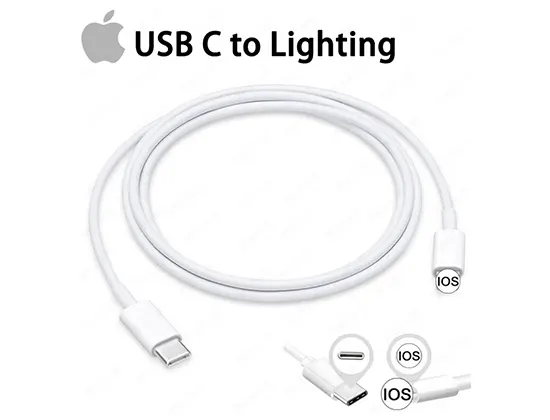
Why USB-C to Lightning Cable? 

A USB-C to Lightning cable is designed to connect USB-C chargers and devices to Apple products with a Lightning port, enabling faster charging, efficient data transfer, and compatibility with modern USB-C power adapters and USB Power Delivery (USB PD) technology. Why Do USB-C to Lightning Cables Exist? Why Didn’t Apple Continue Using USB-A to Lightning?

Why USB-C to Lightning Cable?  Read More »

3A 60W Imitation Ceramic Shell TPE USB type C to C Cable 1

Will a Thunderbolt Cable Work with USB-C? 

Yes, a Thunderbolt cable generally works with USB-C devices because Thunderbolt 3, Thunderbolt 4, and Thunderbolt 5 use the USB-C connector. However, the available charging speed, data transfer rate, and display features depend on the capabilities of both the cable and the connected devices. Why Are Thunderbolt and USB-C Often Confused? Is Thunderbolt the Same

Will a Thunderbolt Cable Work with USB-C?  Read More »

Scroll to Top