
What Type of Connector Does the iPhone 18 Charging Cable Have?
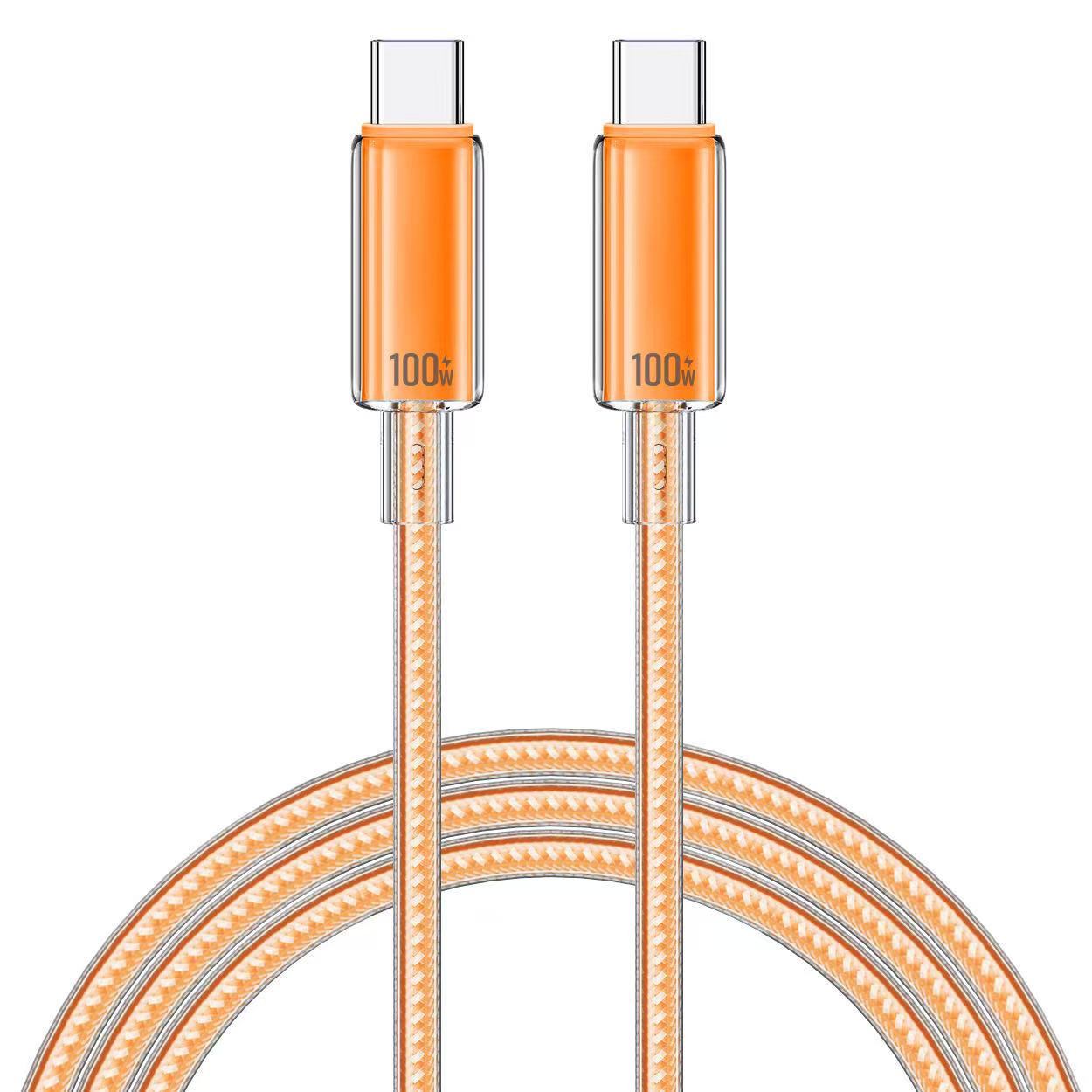
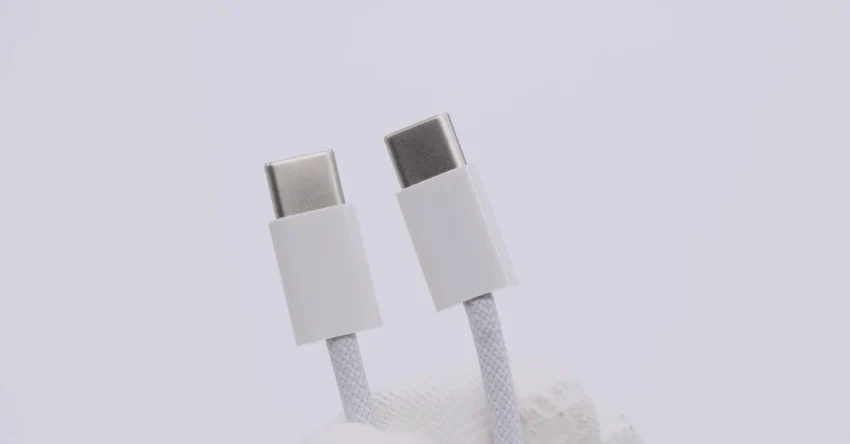
The iPhone 18 charging cable uses USB-C connectors. The iPhone 18 connects through a USB-C port, and the compatible charging cable uses a USB-C connector on the phone side. Apple also lists a 1-meter USB-C charging cable with iPhone 18 Pro models.
What Connector Does the iPhone 18 Use?
The iPhone 18 uses a USB-C connector, continuing Apple’s move away from the Lightning connector.
Apple’s current iPhone support documentation states that iPhone 15 and later models use USB-C for charging, data transfer, audio, and other connections. The latest documentation specifically includes iPhone 18 Pro models.
For the iPhone 18 Pro and iPhone 18 Pro Max, Apple’s technical specifications list:
USB-C connector
Charging through USB-C
DisplayPort support
USB 3 data transfer up to 10Gb/s
USB-C charging cable included in the box
This means the connector on the iPhone 18 is no longer Apple’s proprietary Lightning connector.
Is the iPhone 18 Charging Cable USB-C to USB-C?
Yes. For normal wired charging, the appropriate cable is USB-C to USB-C.
The cable has:
| Cable End | Connector | Purpose |
|---|---|---|
| iPhone side | USB-C male | Connects to iPhone 18 |
| Charger side | USB-C male | Connects to USB-C power adapter |
| Cable type | USB-C to USB-C | Charging and data |
| Typical Apple cable | 1 m USB-C cable | Standard charging connection |
Apple currently sells a 60W USB-C Charge Cable with USB-C connectors on both ends and lists it as compatible with iPhone 18 Pro and iPhone 18 Pro Max. The cable supports charging up to 60W and USB 2 data rates.
Therefore, if a buyer is looking for an iPhone 18 charging cable, the key product term is generally:
USB-C to USB-C charging cable for iPhone 18
Why Did Apple Move from Lightning to USB-C?
The biggest practical advantage of USB-C is that it creates a common connector ecosystem across phones, tablets, computers, chargers, displays, storage devices, and other electronics.
USB-C is a reversible connector, so users do not need to worry about connector orientation when plugging it into the device. The USB-IF specification also defines USB Type-C as a connector system designed for scalable power and performance.
For B2B cable buyers, this creates a much larger potential market for USB-C to USB-C cables.
A single cable design can potentially be used with:
iPhone
iPad
MacBook
Android phones
Tablets
Power banks
USB-C monitors
USB-C hubs
Laptops
USB-C chargers
Other USB-C accessories
However, the fact that two products both use USB-C does not mean that their cables have the same charging power or data speed.
Does Every USB-C Cable Provide the Same Performance?
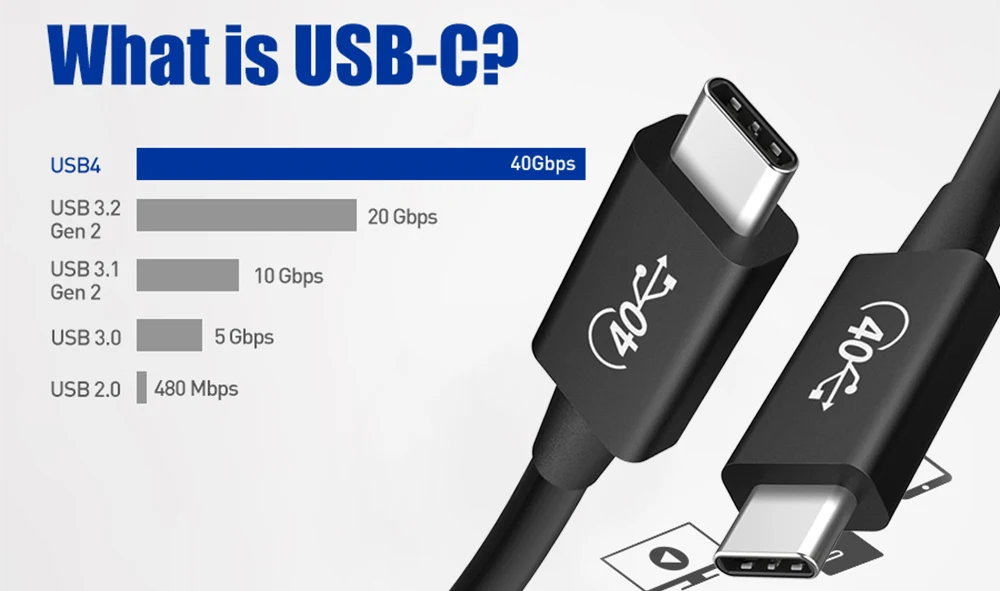
No. USB-C describes the connector type, not the complete performance of the cable.
This is one of the most important points for consumers and B2B buyers.
Two cables may both have USB-C connectors but have completely different specifications.
For example:
| Cable Type | Connector | Typical Data Capability | Power Capability |
|---|---|---|---|
| Basic USB-C cable | USB-C to USB-C | USB 2 | Depending on design |
| USB 3 cable | USB-C to USB-C | Up to 5/10Gbps or higher depending on specification | Depending on design |
| High-performance USB-C cable | USB-C to USB-C | 20Gbps / 40Gbps / 80Gbps depending on specification | Depending on design |
| 60W USB-C cable | USB-C to USB-C | May support USB 2 | Up to 60W |
| 240W USB-C cable | USB-C to USB-C | Depends on cable design | Up to 240W |
USB-IF’s current USB-C compliance program requires USB-C-to-USB-C cable categories to identify their 60W or 240W power capability. For cables other than USB 2.0 High-Speed USB-C-to-C cables, the appropriate supported data rate must also be marked.
So a buyer should not select a cable simply because the product title says “USB-C cable.”
What Type of USB-C Cable Comes with the iPhone 18?
Apple’s current iPhone 18 Pro specifications list a 1-meter USB-C charging cable in the box.
Apple’s separately sold 60W USB-C Charge Cable has USB-C connectors on both ends and supports:
USB-C to USB-C connection
Up to 60W charging
USB 2 data transfer
Charging and synchronization between compatible USB-C devices
Apple lists this cable as compatible with iPhone 18 Pro and iPhone 18 Pro Max.
This distinction is important:
A cable supplied with an iPhone may be optimized for charging and basic data transfer, while a separately purchased high-speed USB-C cable may provide significantly higher data performance.
Can You Use a USB-C to USB-A Cable with iPhone 18?
Yes, but there is an important difference.
The iPhone 18 itself uses a USB-C port, so the phone end must be USB-C.
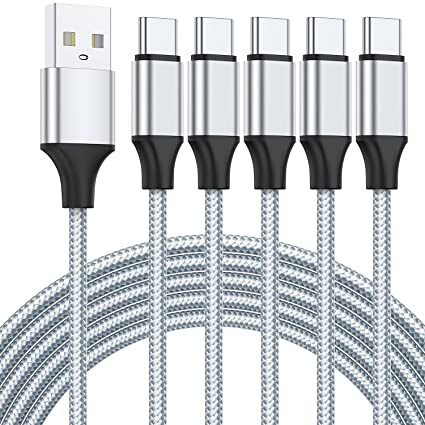
If the charging source has an older USB-A port, a USB-A to USB-C cable can be used, provided the cable and charger are compliant and appropriate for the required application. Apple also states that a compliant USB-C-to-USB-A cable can be used when a car, for example, has a USB-A connector.
The cable configuration would be:
USB-A male → USB-C male → iPhone 18
However, for new charging products, USB-C to USB-C is generally the more relevant design because modern USB-C power adapters increasingly use USB-C output ports.
Does the iPhone 18 Support Fast Charging Through USB-C?
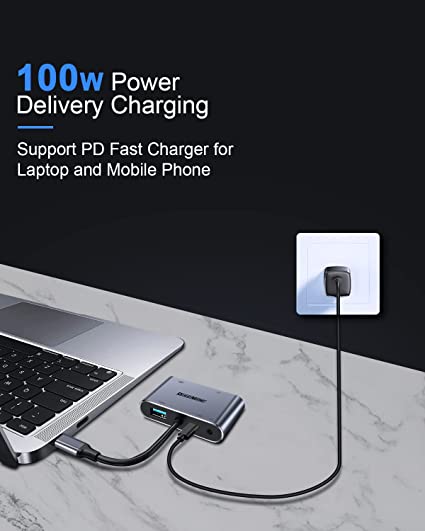
Yes. Apple states that wired fast charging for iPhone 15 and later models uses a USB-C Power Delivery-compatible charger and USB-C cable.
This means the charging system involves three major components:
USB-C Power Adapter → USB-C Cable → iPhone 18
The actual charging performance depends on the complete system rather than the connector alone.
For example, a cable manufacturer should evaluate:
Conductor size
Cable resistance
Connector contact resistance
Current capacity
Thermal performance
USB PD compatibility
E-Marker requirements where applicable
Insulation material
Strain relief
Plug mechanical performance
A larger power rating printed on the package does not automatically guarantee faster charging.
What About the Data Transfer Speed of the iPhone 18 Cable?
This is where B2B buyers need to be especially careful.
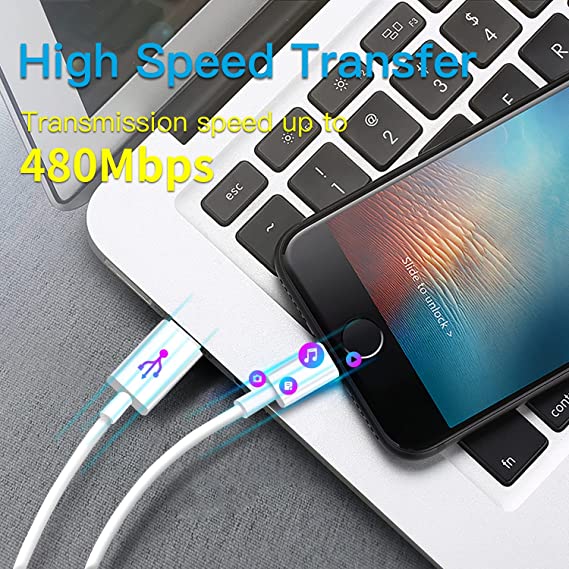
Apple’s standard included USB-C charging cable is designed for charging and USB 2 speeds according to Apple’s support documentation.
However, Apple lists iPhone 18 Pro models as supporting USB 3.2 Gen 2 speeds of up to 10Gbps when using an appropriate USB 3 cable.
Therefore:
iPhone capability ≠ cable capability.
For example:
iPhone 18 Pro + USB 2 cable = USB 2-level data performance
while:
iPhone 18 Pro + compatible USB 3 cable = up to 10Gbps under supported conditions
This is a critical point for cable manufacturers and distributors.
If you are selling a 10Gbps USB-C cable for iPhone 18 Pro, the cable construction and testing need to support the required high-speed electrical performance.
What Should B2B Buyers Look for in an iPhone 18 USB-C Cable?
For wholesalers, distributors, importers, and private-label brands, connector selection is only the beginning.
A professional RFQ should specify the complete cable configuration.
1. Connector Specification
Specify:
USB-C male to USB-C male
Plug shell material
Contact plating
Contact resistance
Mating durability
Connector dimensions
Mechanical retention
Overmold design
A poorly manufactured USB-C connector can cause intermittent charging, poor contact, or mechanical failure even when the cable uses the correct connector type.
2. Wire Gauge
For charging cables, conductor size affects resistance and thermal performance.
Common cable constructions may use different wire gauges depending on the target current, length, and application.
For example:
28 AWG: commonly used in lighter-duty cable constructions
26 AWG: balanced option for many charging applications
24 AWG: lower resistance and better suited to higher-current designs
The actual specification should be validated by electrical testing rather than selected only from the AWG number.
3. Cable Length
Common commercial lengths include:
0.5 m
1 m
1.5 m
2 m
3 m
Longer cables generally require greater attention to voltage drop, resistance, signal integrity, and mechanical construction.
For a B2B product line, 1 m and 2 m USB-C to USB-C cables are practical starting points, while longer versions can be developed for specific applications.
Braided or PVC: Which Is Better for an iPhone 18 Cable?
Both can work, but they target different product positions.
| Feature | PVC Cable | Nylon-Braided Cable |
|---|---|---|
| Cost | Lower | Higher |
| Flexibility | Good | Good |
| Abrasion resistance | Moderate | High |
| Premium appearance | Standard | Better |
| Private-label positioning | Entry-level | Mid/premium |
| OEM customization | Easy | Easy |
| Retail appeal | Moderate | High |
For mass-market products, PVC can help maintain a competitive price.
For premium private-label products, a nylon-braided USB-C to USB-C cable can provide better abrasion resistance and a more premium appearance.
The best material depends on the target market rather than simply choosing the most expensive construction.
Does an iPhone 18 USB-C Cable Need USB-IF Certification?
USB-IF compliance becomes particularly important when developing a commercial USB-C cable intended for professional distribution.
The USB-IF certification program covers USB Type-C connectors and cable assemblies, including electrical, mechanical, and functional requirements. USB-IF also maintains a public certified-product database.
For B2B buyers, ask the supplier for documentation such as:
USB-IF certification information, where applicable
Product TID/XID information
USB-C connector specification
PD test information
Electrical test reports
Cable resistance data
High-speed signal-integrity test results
RoHS documentation
REACH documentation
Material declarations
Do not confuse USB-C connector compliance with simply having a USB-C-shaped plug.
Expert Quality Inspector: “For an iPhone 18 USB-C cable, connector appearance is only the first inspection point. We verify conductor resistance, connector contact quality, current capability, mechanical strength, charging stability, and—when required—high-speed signal integrity before approving mass production.”
What Should a USB-C Cable Manufacturer Test?
A professional manufacturer should have a structured QC process.
Incoming Material Inspection
Check:
Copper wire
USB-C connectors
Insulation materials
Braided materials
Mold compounds
E-Marker components when applicable
Assembly Inspection
Check:
Terminal crimping
Solder joints
Shielding
Connector alignment
Overmolding
Strain relief
Electrical Testing
Depending on product requirements:
Continuity
Short circuit
Resistance
Voltage drop
Current loading
PD communication
Data transmission
Mechanical Testing
Typical production validation may include:
Plug insertion/extraction testing
Cable bending
Tensile testing
Swing testing
Connector retention testing
High-Speed Testing
For USB 3-class products, the manufacturer may need to evaluate parameters such as:
Differential impedance
Insertion loss
Return loss
Crosstalk
Pair skew
Signal eye performance
This becomes much more important when developing a 10Gbps or higher USB-C cable.
iPhone 18 Charging Cable: What Should Importers Specify?
If you are sourcing cables for wholesale or private-label production, avoid sending the supplier only this request:
“Please quote iPhone 18 charging cable.”
Instead, provide a technical RFQ.
| Specification | Example Requirement |
|---|---|
| Application | iPhone 18 charging |
| Cable Type | USB-C to USB-C |
| Length | 1 m / 2 m |
| Power | 60W or target requirement |
| Data | USB 2 / 10Gbps |
| Conductor | 24/26/28 AWG depending on design |
| Jacket | PVC / TPE / Nylon |
| Connector | USB-C male × 2 |
| E-Marker | If required by cable design |
| Shielding | Foil / braid / combined |
| Compliance | RoHS / REACH |
| Certification | USB-IF where required |
| Branding | OEM logo |
| Packaging | Custom retail / bulk packaging |
This gives the manufacturer a much clearer technical target.
USB-C to USB-C vs USB-C to Lightning for iPhone
One common mistake is assuming that every iPhone charging cable still needs Lightning.
For current iPhone models using USB-C, the normal cable configuration is:
USB-C → USB-C
Older Lightning-equipped iPhones use:
USB-C → Lightning
Apple’s current support documentation confirms that iPhone 15 and later models use USB-C, while USB-C-to-Lightning remains useful for connecting Lightning accessories.
| Feature | USB-C to USB-C | USB-C to Lightning |
|---|---|---|
| Current USB-C iPhone | Yes | No direct connection |
| Older Lightning iPhone | No | Yes |
| iPhone 18 | Yes | No |
| Reversible phone connector | Yes | No |
| USB-C ecosystem | Excellent | Limited on device side |
| B2B future potential | High | More legacy-focused |
For a new cable product line targeting the latest iPhones, USB-C to USB-C should be the primary configuration.
Is USB-C to USB-C the Future of iPhone Charging Cables?
For current iPhone models, USB-C to USB-C is clearly the more relevant wired charging format.
It also fits the wider USB-C ecosystem.
USB Power Delivery supports scalable power delivery over USB-C, with USB PD 3.1 extending the specification to power levels up to 240W for appropriate full-featured USB Type-C cables and systems.
However, this does not mean an iPhone requires a 240W cable.
A cable’s maximum power rating and the power actually accepted by the phone are two different things.
For an iPhone-focused cable, the manufacturer should design the product around the actual target application instead of simply advertising the highest possible wattage.
How to Choose an iPhone 18 USB-C Cable Supplier
For B2B sourcing, look beyond the unit price.
A reliable supplier should be able to provide:
Technical Capability
Can the factory produce USB-C to USB-C cables with different:
Power ratings
Data speeds
Lengths
Wire gauges
Jacket materials
Connector designs
Quality Control
Ask about:
Incoming inspection
In-process QC
Finished-product testing
Electrical testing
Mechanical testing
Reliability testing
Compliance
Ask for relevant:
USB-IF documentation
RoHS
REACH
Material declarations
Test reports
OEM/ODM Capability
For private-label buyers, check whether the supplier can customize:
Logo
Cable color
Connector housing
Braiding
Cable length
Packaging
Labels
User manuals
A factory that can control both connector manufacturing and cable assembly can usually provide better control over consistency and customization.
Common Mistakes When Buying an iPhone 18 Charging Cable
Mistake 1: Assuming USB-C Means Fast Charging
USB-C only identifies the connector/interface family.
The cable’s current capability, resistance, PD behavior, and construction also matter.
Mistake 2: Assuming Every USB-C Cable Supports 10Gbps
It does not.
Apple’s standard included cable supports USB 2 speeds, while compatible USB 3 cables are needed for higher-speed applications on supported iPhone 18 Pro models.
Mistake 3: Choosing the Cable Only by Wattage
A 240W cable is not automatically better for an iPhone user than a properly designed 60W cable.
The correct product depends on the actual charging requirement.
Mistake 4: Ignoring Connector Quality
USB-C connectors have tight mechanical and electrical requirements.
Poor connector plating, inconsistent dimensions, weak solder joints, or inadequate strain relief can lead to:
Intermittent charging
Loose connections
Excessive resistance
Connector damage
Reduced product life
Mistake 5: Treating OEM Cable Design as a Simple Assembly Job
A professional USB-C cable involves electrical, mechanical, material, and compliance engineering.
For B2B brands, supplier engineering capability can have a major impact on product consistency.
FAQ: iPhone 18 Charging Cable Connector
1. What type of connector does the iPhone 18 charging cable have?
The iPhone 18 uses a USB-C connector, and the standard wired charging configuration is a USB-C to USB-C cable. Apple lists USB-C charging cables with iPhone 18 Pro models.
2. Is the iPhone 18 cable USB-C to USB-C?
Yes. A standard iPhone 18 charging setup uses a USB-C connector on the iPhone side and a USB-C connector on the charger side.
3. Can I use a USB-C to Lightning cable with iPhone 18?
No, not for directly connecting the cable to the iPhone 18. The iPhone 18 uses USB-C rather than Lightning. USB-C-to-Lightning cables are intended for older Lightning devices and accessories.
4. Does the iPhone 18 support 10Gbps data transfer?
Apple lists iPhone 18 Pro models as supporting up to 10Gbps using a compatible USB 3 cable. The standard included USB-C charging cable supports USB 2 speeds, so cable selection matters.
Conclusion
The iPhone 18 charging cable uses USB-C connectors, making USB-C to USB-C the primary cable configuration for current iPhone charging.
For consumers, the main benefit is compatibility with the wider USB-C charging ecosystem. For B2B buyers and cable manufacturers, the opportunity goes further: USB-C cables can be customized by power rating, data speed, wire gauge, length, shielding, jacket material, connector design, and OEM branding.
The key point is simple: USB-C identifies the connector, but it does not define the complete performance of the cable. When sourcing an iPhone 18 cable, buyers should specify the required power, data speed, construction, testing, and compliance requirements rather than purchasing based on the connector name alone.
USB cable.
Picture this: You’re sitting at your desk, engrossed in a project
Where Can I Buy a High-Quality Pd Fast Charging Cable?
FAQ
1 cable
USB-C cables certainly.
Share This Artcle:

Fast delivery
Fastest delivery within 22 days

Quick proofing
Fastest 3-day proofing cycle

After-sale protection
24-month long warranty

1V1Customer Service
Professional customer service follow-up
Lorem ipsum dolor sit amet, consectetur adipiscing elit. Ut elit tellus, luctus nec ullamcorper mattis, pulvinar dapibus leo.