
Choosing the right power bank can make a big difference in keeping your devices charged on the go. Capacity (mAh) is the most obvious spec. More mAh means more stored energy but you also need to consider output, ports, charging protocols, size, and safety. Below are the key factors to compare when shopping:
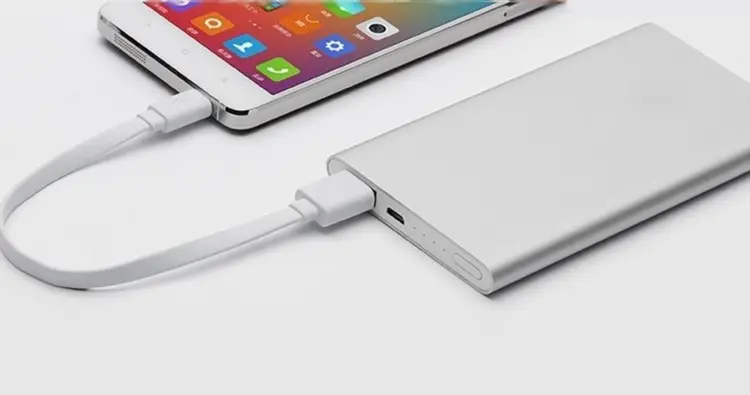
- Battery Capacity (mAh): This tells you how much total charge the power bank holds. Higher capacity (like 10,000mAh vs 5,000mAh) lets you recharge your device more times before recharging the power bank. For example, modern smartphones often have ~3,000mAh batteries, so a 10,000mAh bank can roughly fill it about 2–3 times. (In general, look for a power bank that can recharge your phone at least twice before it needs charging.
- Output Power (Wattage/Amperage): Power banks list output as volts and amps or watts (V×A=W). Standard USB is 5v, and many banks put out 2A (10w) per port. Higher-output banks can do 18w, 20w or more, charging faster. For example, USB Power Delivery (PD) banks can deliver 18–100w via USB-C, enough to charge laptops. When choosing, match the output to your device: smartphones often fast-charge at 15–25w, tablets around 18–30w, and even higher (45–100w) if you want to charge a laptop or Nintendo Switch. Always check the bank’s output rating; a higher wattage means faster charging, provided your device and cable support it.
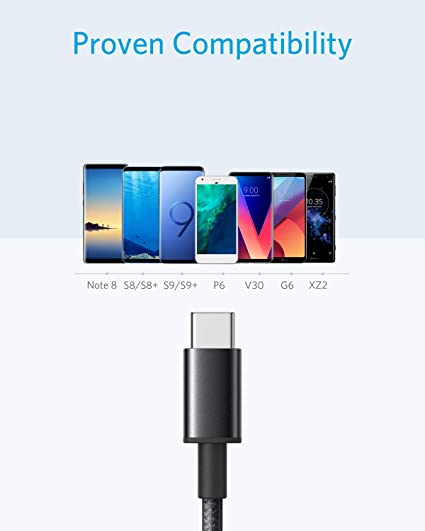
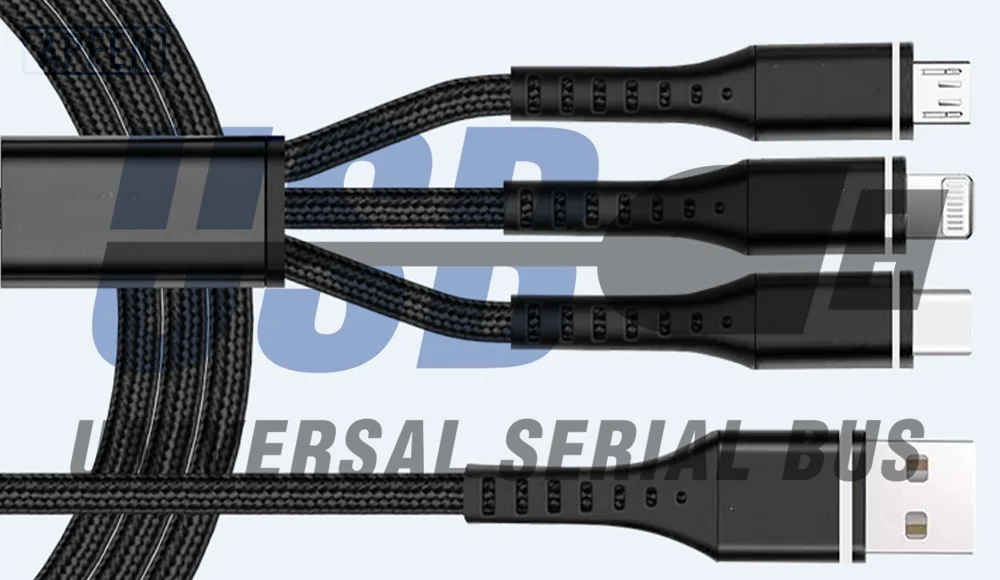
- Port Types: Check what ports the bank has. USB-A is the old rectangular port used by most devices and cables. USB-C is newer and reversible, now the default on phones and laptops; it can typically handle higher power (and may support PD fast-charging). Some banks also have Micro-USB inputs (for charging the bank itself) or even wireless charging pads. As a rule, look for at least one USB-A output and one USB-C output/input to cover most devices. In fact, USB-C inputs/outputs on power banks are highly recommended now since many new devices (and iPhones with a USB-C-to-Lightning cable) use it.
- Fast-Charging Protocols: Modern power banks often support fast-charge standards. The two big ones are USB Power Delivery (PD) and Qualcomm Quick Charge (QC). USB-PD is a universal standard over USB-C that can deliver up to 100W (even 240W in the latest version). It’s used by iPhones (8 and newer with the right cable), many Androids, tablets and laptops. Quick Charge is Qualcomm’s standard (common in many Android phones) that uses higher voltages like 9V or 12V for faster charging. Newer QC versions (QC 4.0, QC 5.0) can even overlap with PD. When shopping, see if the bank lists “PD” or “QC” support – this tells you if it can fast-charge compatible devices. Remember that fast-charge only works if all parts match: the power bank, the cable, and your device must each support the same fast-charge standard.
- Size and Weight: Higher capacity usually means bigger and heavier. A tiny 5,000mAh bank might be around a thick phone (≈120–150 g) and pocket-friendly, while a 20,000mAh brick could be 300–400 g and feel bulky. Think about how you’ll carry it: for daily commuting or a night out, a slim 5–10K mAh bank is usually enough and easy to slip into a pocket or small bag. For longer trips or multiple devices, you might accept a larger battery for the extra power. Always check the dimensions and weight in the specs.
- Design and Portability: Beyond size, consider the shape and extra features. Some banks have flat, credit-card shapes for easy pockets; others are rugged with rubber sides for outdoor use. Look for handy features: built-in cables (so you never forget your cord), LED battery indicators, or even solar panels or wireless charging if you need them. Remember that odd shapes or very thick banks might not feel comfortable in a pocket, so choose a design you’ll actually carry.
- Price: Power banks range from about $15 up to $150+. Very cheap models (under ~$30) often have low capacity (2–3K mAh) and fewer features. In general, expect to pay more for higher capacity, fast-charge support, and a reputable brand. Many well-reviewed 10K–20K mAh banks fall in the $20–$50 range, while premium 20 K+ models with laptop-level output can be $60–$100+.
- Safety Features: Safety is crucial. Look for banks that advertise protection against overcharge, over-discharge, over-current, short-circuit, and over-temperature. Good brands will UL/CE/FCC-certify their batteries and provide multiple layers of circuitry to prevent overheating or fire. Always check for a warranty or trusted brand – a reputable power bank will have undergone safety tests. For example, certified banks automatically cut off power when the device is full (auto shut-off) or if a short-circuit is detected. Avoid extremely cheap, no-name banks that omit these protections.
Power banks come in many capacities, but the most common are around 5,000 mAh, 10,000 mAh, and 20,000 mAh. Here’s how they compare and what they’re best for:
- 5000 mAh: This is on the small side, roughly equivalent to 1–1.5 full charges of a 3,000 mAh phone battery. It’s extremely portable (often pocket-friendly, ~100–150 g) and great for a day trip or commute where you might need just one extra full charge. If you only occasionally top up your phone, a 5K bank is light and compact. (Keep in mind you usually won’t actually get 1.6 charges; due to inefficiencies, you’ll see closer to 1 full charge in practice.)
- 10000 mAh: This is the “everyday” size: about 2–3 full phone charges. It weighs more (~180–250 g) and is slightly larger, but can still fit in a bag or even a large pocket. A 10K bank is ideal for a full day out, short travels, or keeping both your phone and a tablet charged. Many popular models are around this capacity. Testing notes that a 10,000 mAh bank can recharge a 3,000 mAh phone up to three times, making it handy for a weekend or multi-device charging.
- 20000 mAh: This high capacity can deliver roughly 5–6 full charges. It’s bulkier and heavier (often 300–400 g, roughly the size of a large power adapter), so it’s best for travel or emergency backup rather than everyday pockets. With 20K, you can charge multiple devices overnight or keep going on multi-day trips. Just be aware it may not fit easily in a small bag or pocket.


Power Bank Nominal vs. Rated Capacity.
Rated capacity more accurately represents the actual available power. Be aware that advertised capacity isn’t what you fully get out of a power bank. Rated capacity more accurately represents the actual available power. Manufacturers label banks by the battery cells’ total mAh (at about 3.7v). When charging your phone, the voltage is boosted to 5V, and energy is lost as heat. The result: the actual usable charge is often only ~60–70% of the labelled rating.
We disassembled several power banks from different brands, including Anker, AOHi, and UGREEN, and discovered an interesting fact: a “10,000 mAh” bank theoretically yields about 7,400 mAh at 5V. In real-world tests, most power banks deliver far less than advertised. In other words, a 10,000 mAh bank might actually give you ~6,000–7,000 mAh of output. This inefficiency is normal (good quality banks aim for >85% efficiency. When planning, always check your device’s battery size and be conservative in estimating charge cycles.
The table below summarises typical power banks by capacity, showing roughly how many full charges they provide (for a 3,000 mAh phone) and their approximate weight and size:
| Capacity | Full 3000 mAh Phone Charges | Typical Weight | Typical Size/Use Case |
|---|---|---|---|
| 5000 mAh | ~1 charge (sometimes 1.5) | ~100–150 g (light) | Very compact credit-card-sized or small tube. Good for one-day use or a backup when lightly packing. |
| 10000 mAh | ~2–3 charges | ~180–250 g | Medium size – fits in most bags or large pockets. Good for multi-day trips, charging a phone and tablet. |
| 20000 mAh | ~5–6 charges | ~300–400 g | Large “brick” size. Best for travel or extended outings. Bulky for pockets, but covers long trips and multiple devices. |
Not all power banks are created equal in terms of safety. While many are built with safety as a priority, there is a significant difference between well-designed models and cheap or poorly manufactured ones. Inferior power banks can present serious hazards such as overheating, short circuits, or even catching fire. These risks are often due to poor internal components, lack of protective circuitry, or inadequate testing. To ensure the power bank you use is safe and reliable, it’s crucial to pay attention to official certifications and built-in safety mechanisms. These features act as assurance that the device adheres to internationally recognised safety and quality standards.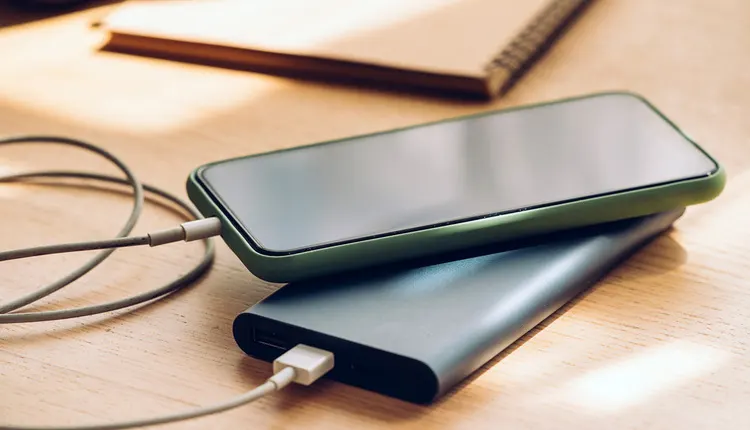
Safety Certifications to Look For.
When purchasing a power bank, it’s important to examine the packaging or product label for recognised safety certifications. One of the most common is the CE (Conformité Européenne) mark, which is mandatory for all electronic devices sold in the European Economic Area. This certification shows that the product complies with essential EU regulations concerning safety, health, and environmental protection. While it doesn’t guarantee the highest quality, it does indicate a basic level of consumer safety.
In the United States, the FCC (Federal Communications Commission) certification is a similar marker of regulatory compliance. While the FCC primarily ensures that the power bank does not emit harmful electromagnetic interference, it also suggests that the manufacturer has followed established electronic design standards. Although the FCC doesn’t address electrical safety directly, it is often found on responsibly made products.
Another important label is RoHS (Restriction of Hazardous Substances), which focuses on limiting the use of harmful materials like lead, cadmium, and mercury in electronic devices. While this certification is more about environmental and disposal safety, it’s still relevant to users, particularly in cases of battery damage or leakage.
Lastly, if you plan to travel with your power bank, you should especially look for the UN38.3 certification. This is a comprehensive safety standard specifically for lithium-ion batteries. It includes rigorous testing under extreme conditions, such as high temperatures, physical impact, and overcharging. Products that pass UN38.3 are considered safe for air transport, making this certification vital for frequent flyers.
Built-in Protection Mechanisms.
In addition to certifications, the internal design of a power bank plays a key role in safety. Quality models are equipped with smart circuitry that actively protects both the user and their devices. One such feature is overcharge protection, which stops the battery from drawing power once it’s fully charged. This not only prevents overheating but also preserves the battery’s long-term capacity by avoiding stress from continuous charging.
Over-voltage and over-current protection are equally critical, especially for those using fast-charging protocols like USB Power Delivery or Qualcomm Quick Charge. These protections ensure that your device isn’t damaged by sudden spikes in voltage or current, which could otherwise cause harm to sensitive internal components.
Another major concern is heat. A good power bank includes overheating protection, which triggers an automatic shutdown if temperatures rise beyond safe limits. This is especially important when using high-capacity banks or charging multiple devices simultaneously, as excessive heat can lead to swelling, leaks, or, in extreme cases, thermal runaway.
Short-circuit protection is another safeguard that quality power banks employ. It detects when electrical current takes an unintended path and instantly cuts off power to avoid damage or fire. This is essential in situations where cables are frayed, ports are damaged, or moisture is present.
Finally, many high-quality power banks also feature auto shut-off, which powers down the device when not in use. This simple yet effective mechanism helps preserve battery life and minimises unnecessary heat buildup, making the power bank safer and more efficient.
Tips to Stay Safe When Using a Power Bank
Even with certified and well-designed power banks, responsible use is essential. Always buy from reputable brands that display certifications and offer reliable customer support. Well-reviewed models from known manufacturers are far less likely to fail or pose safety hazards than ultra-cheap, unbranded versions often sold without documentation or proper labelling.
- Never use a power bank that shows signs of physical damage. If you notice swelling, cracks, unusual heat, or a strange smell, discontinue use immediately. These can be warning signs of internal battery failure, which can lead to fires or explosions.
- It’s also important to avoid covering your power bank while it’s charging. Like any electronic device, it generates heat during operation, and restricting airflow can cause it to overheat. Instead, charge in a well-ventilated space and always store the power bank in a cool, dry place, never in direct sunlight or a hot car.
For travellers, remember that airlines typically require power banks to be carried in hand luggage, not checked bags. Most airlines cap power bank capacity at 100Wh (around 27,000mAh) without prior approval. Exceeding this limit may result in the device being confiscated or banned from the flight.
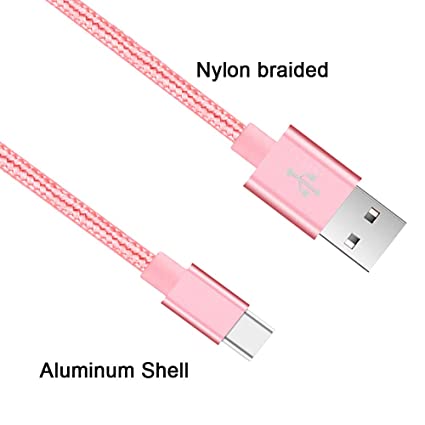

Fast delivery
Fastest delivery within 22 days

Quick proofing
Fastest 3-day proofing cycle

After-sale protection
24-month long warranty

1V1Customer Service
Professional customer service follow-up