Have you noticed that almost every new gadget you buy—whether it’s an iPhone, an Android phone, an iPad, a laptop, or wireless earbuds—comes with a tiny, oval-shaped charging port? That is a USB-C port, and the wall plug or power adapter that connects to it is a USB-C charger.
For years, we had to deal with a mess of different cables: rectangular USB-A blocks, thick micro-USB cables, and proprietary laptop power bricks. USB-C (USB Type-C) was created to replace all of them with one single connector that does everything.
In this guide, we will break down what a USB-C charger actually is, how it works behind the scenes, why it charges your devices so much faster, and how to choose the best one without wasting your money or damaging your battery.
What Is a USB-C Charger? (The Basics)
A USB-C charger is a power adapter that uses the modern USB Type-C connector standard to deliver electricity to your electronic devices.
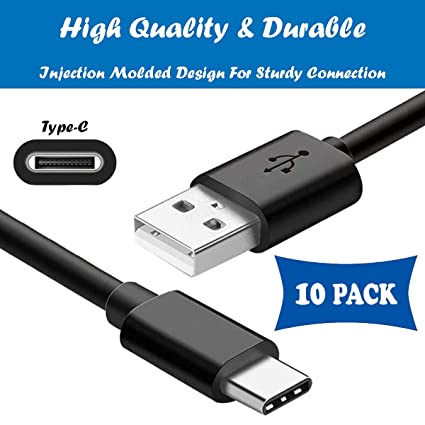
Unlike older wall bricks that used a wide, rectangular USB-A connector, a USB-C charger features a smaller, oval-shaped port.
Key Physical Features of USB-C:
Reversible Design: The plug is symmetrical. You can plug it in right-side up or upside down, and it works instantly every single time.
Compact Size: It is small enough to fit into thin smartphones, yet powerful enough to charge heavy-duty laptops.
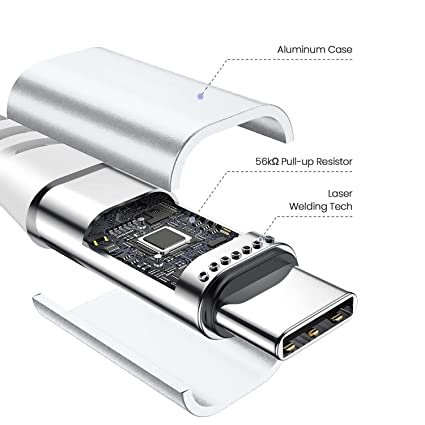
24-Pin Internal Architecture: Inside that tiny plug are 24 small pins that handle high-wattage power transmission, ultra-fast data transfer, and smart communication between your device and the charger.
Why Are USB-C Chargers So Much Better?
If you are upgrading from an older charger, switching to USB-C technology offers three major advantages:
1. Way Faster Charging Speeds (Power Delivery)
Older USB-A wall chargers typically output around 5W to 12W of power. That is why charging a phone used to take two or three hours.
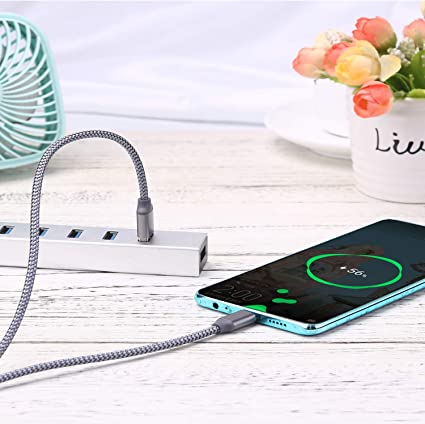
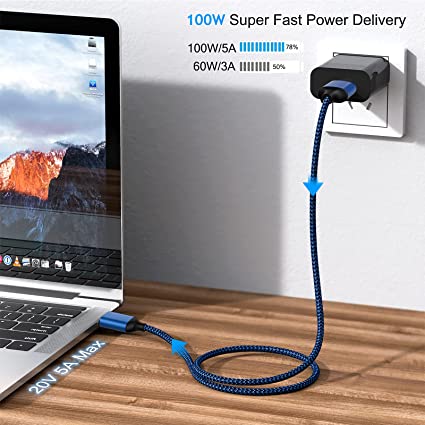
Modern USB-C chargers use a technology called USB Power Delivery (USB-PD). This allows the charger to deliver 20W, 45W, 65W, or even up to 240W of power. With a fast USB-C fast charger, you can charge most modern smartphones from 0% to 50% in just about 30 minutes.
2. Smart Power Negotiation
One common worry people have is: “If I plug a 65W laptop charger into my phone, will it blow up my battery?”
The short answer is no. USB-C chargers are smart. Through built-in microchips, the charger and your device talk to each other before sending electricity. Your phone tells the charger: “I can only handle 20 Watts.” The USB-C charger then automatically adjusts its voltage and current to match exactly what your device needs.
3. One Charger for All Your Devices
Because of this smart negotiation, one single USB-C power adapter can power your wireless headphones (5W), your smartphone (20W), your tablet (30W), and your MacBook or Windows laptop (65W+). You no longer need to pack five different bricks when traveling.
Understanding Charger Specs: Watts, Volts, and Amps
When shopping for a USB-C power adapter, you will see numbers like 20W, 45W, or 100W. Here is what those numbers actually mean in plain English:
Watts (W): This is the total power output. Higher wattage means more power potential.
Smart Phone Charging: Usually requires 20W to 30W.
Tablet Charging: Usually requires 30W to 45W.
Laptop Charging: Usually requires 45W to 100W+.
Rule of Thumb: You can always use a higher-wattage USB-C charger on a smaller device (e.g., using a 65W charger on a 20W phone). The device will simply take what it needs. However, using a lower-wattage charger (like a 20W phone block) on a large laptop will result in slow charging or no charging at all.
What Is a GaN USB-C Charger?
While looking at chargers, you might come across the term GaN charger.
GaN stands for Gallium Nitride. It is a modern semiconductor material that replaces traditional silicon inside the charger.
Why GaN Matters:
Much Smaller Size: A 65W GaN USB-C charger can be up to 50% smaller than a traditional laptop brick.
Less Heat: GaN transfers energy more efficiently, producing much less heat.
Safer Performance: Less heat means a longer lifespan for both the charger and your device’s battery.
How to Choose the Right USB-C Charger (Buying Checklist)
To make sure you get the best performance, keep these four points in mind before buying:
Check Your Device’s Maximum Charging Speed: Look up your phone or laptop specs. If your phone maxes out at 25W fast charging, buying a 25W or 30W USB-C wall charger will give you full speed.
Look for USB-PD Certification: Ensure the charger supports USB Power Delivery (USB-PD) or PPS (Programmable Power Supply) for devices like Samsung Galaxy phones.
Get the Right Cable: A fast charger needs a fast cable! Make sure you use a USB-C to USB-C cable (or USB-C to Lightning cable for older iPhones) rated for the wattage you need.
Choose Multi-Port Chargers for Travel: If you carry multiple devices, buy a multi-port USB-C charger with two or three ports so you can charge your phone and laptop simultaneously from one outlet.
Frequently Asked Questions (FAQ)
Q1: Is USB-C the same as Thunderbolt?
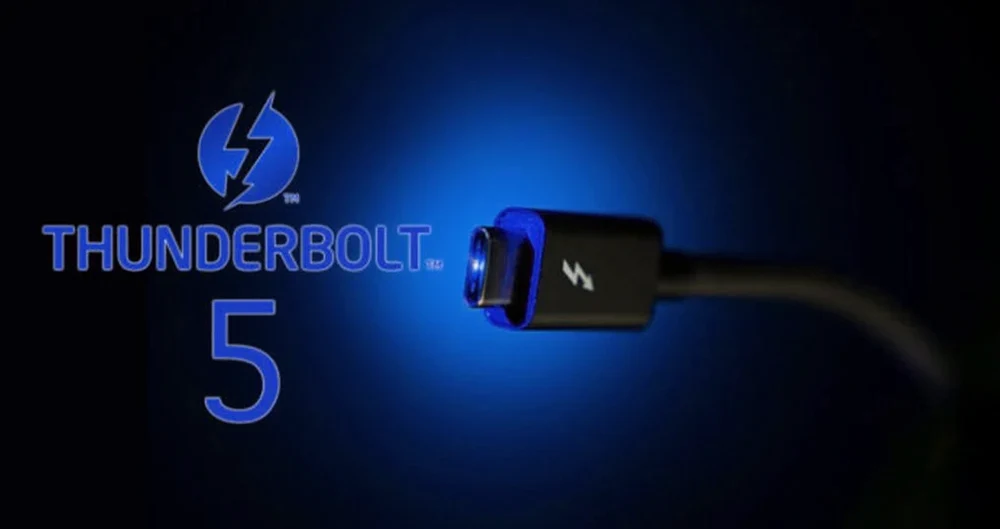
Answer: They use the exact same oval physical plug, but they are different technologies under the hood. Thunderbolt (like Thunderbolt 3 or 4) is an advanced hardware standard that supports faster data speeds and external displays alongside charging. However, any USB-C charger will safely charge a Thunderbolt device.
Q2: Will using a fast USB-C charger ruin my battery?
Answer: No. Modern smartphones have built-in battery management systems that control heat and power intake. Fast charging happens mostly between 0% and 80%. After 80%, the phone automatically slows down the charge speed to protect battery health.
Conclusion
A USB-C charger is not just another plug; it is the modern universal power solution designed to make life simpler, faster, and clutter-free. By choosing a quality USB-PD or GaN USB-C power adapter with the right wattage, you can power all your gadgets safely with a single charger.