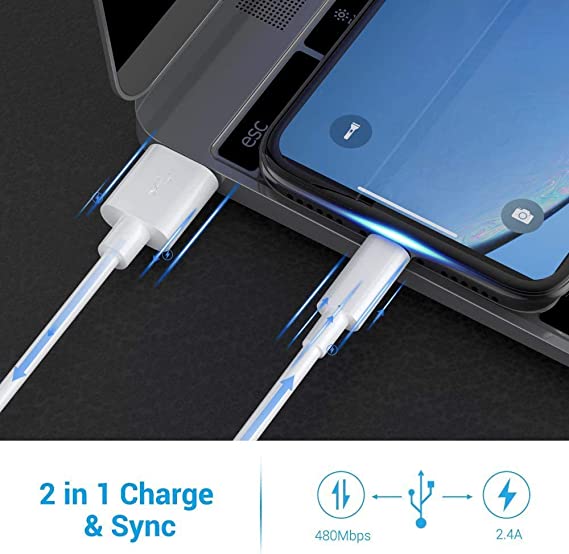
Apple Certified Lightning Cable- Apphone Fast Charging Cable

Iphone lightning charging cable type

When people buy a USB charging cable, they usually pay attention to things like:

Fast charging speed

Data transfer rate

Cable length

Connector type

Braided or PVC jacket

However, very few people know how the copper wire inside the cable is actually made.

Before a USB cable can charge your phone or transfer data, the copper must go through two critical manufacturing processes:

Precision Wire Drawing

and

Tin Plating

Although these processes are hidden inside the cable, they directly affect charging performance, signal stability, cable durability, and overall product quality.

In this article, we’ll explain in simple language how a thick copper rod is transformed into thousands of ultra-fine copper strands, why these strands are coated with tin, and why this process is so important for modern USB-C charging cables.

What Is Precision Wire Drawing?

Precision Wire Drawing

is the process of reducing a thick copper rod into extremely fine copper wires.

At the beginning of production, manufacturers use a solid copper rod that is much thicker than the finished wire.

This copper rod passes through a series of specially designed drawing dies.

Each die has a slightly smaller opening than the previous one.

As the copper passes through each die, it becomes thinner and longer.

This process is repeated many times until the desired wire diameter is achieved.

For high-quality USB cables, the finished copper strand is typically around:

Image

0.08 mm in diameter

That’s thinner than a human hair.

Why Are Copper Wires Drawn So Thin?

Many people wonder:

“If thicker wire carries more current, why not keep the copper thick?”

The answer is flexibility.

A USB cable is bent, twisted, rolled up, and unplugged every day.

If the conductor were made from one thick copper rod, it would be:

Very stiff

Easy to crack

Difficult to bend

Instead, manufacturers combine hundreds of ultra-fine strands into one flexible conductor.

This design provides:

Excellent flexibility

Better fatigue resistance

Longer service life

More reliable charging

Image

Why Is 0.08 mm a Common Size?

Many premium USB cable manufacturers draw copper strands to approximately:

0.08 mm

This size offers an excellent balance between:

Electrical conductivity

Mechanical strength

Flexibility

Manufacturing efficiency

Using hundreds of these fine strands creates a conductor that performs well even after thousands of bending cycles.

What Happens After Wire Drawing?

After the copper strands reach the required diameter, they enter the next important process:

Tin Plating

At this stage, each copper strand receives a very thin coating of tin.

Although the tin layer is extremely thin, it has several important functions.

What Is Tin Plating?

Tin plating is an electroplating or hot-dip process that coats the surface of copper with tin.

The structure becomes:

Copper Core
↓
Tin Coating

This creates what is known as:

Tinned Copper Wire

Tinned copper is widely used in high-quality USB charging cables because it improves durability without significantly reducing conductivity.

Why Is Tin Plating Necessary?

The biggest reason is:

Oxidation Protection

Copper naturally reacts with oxygen in the air.

When exposed to heat during manufacturing or long-term use, copper can form an oxide layer.

Oxidized copper has higher electrical resistance.

Higher resistance can lead to:

Slower charging

Increased heat

Reduced efficiency

Poor signal quality

Tin acts as a protective barrier that helps keep the copper clean and conductive.

Image

Tin Protects Copper During High-Temperature Cable Manufacturing

One of the most important advantages of tin plating occurs during cable production.

After the wire core is completed, manufacturers apply insulation using high-temperature extrusion equipment.

During this process, temperatures may exceed 180°C to 250°C, depending on the insulation material.

Without protection, bare copper can oxidize rapidly.

The Tin Coating Prevents Copper from Oxidizing During High-Temperature Extrusion

This helps maintain the conductor’s electrical performance and ensures consistent manufacturing quality.

Additional Benefits of Tin-Plated Copper

Besides preventing oxidation, tin plating also provides several other advantages.

1. Improved Corrosion Resistance

USB cables may be exposed to:

Humid environments

Sweat

Moisture

Air pollution

Tin helps protect the copper from corrosion, extending the cable’s lifespan.

2. Better Solderability

During connector assembly, copper wires must be soldered to the PCB or connector terminals.

Tin-plated wire is easier to solder because tin melts and bonds more readily than bare copper.

This creates:

Stronger solder joints

Lower contact resistance

More reliable electrical connections

3. Longer Service Life

Because oxidation and corrosion are reduced, tinned copper conductors generally last longer than bare copper conductors.

This contributes to better long-term charging stability.

How Precision Wire Drawing Improves Cable Flexibility

Modern USB cables are expected to survive thousands of bending cycles.

Using hundreds of fine copper strands instead of one thick conductor allows the cable to bend repeatedly without breaking.

This design helps reduce:

Internal wire fractures

Charging interruptions

Cable fatigue

As a result, the cable remains flexible and reliable over years of daily use.

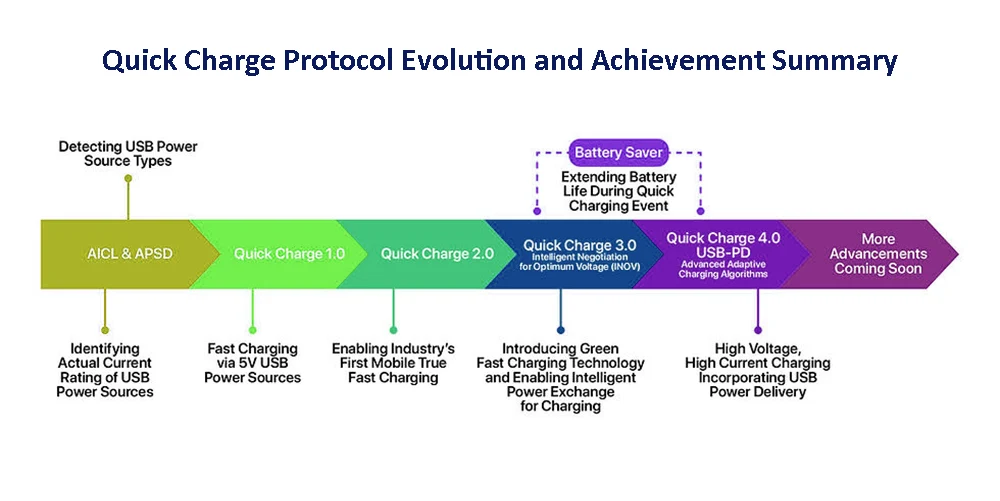
How Tin-Plated Copper Improves Fast Charging

Fast charging technologies such as:

USB Power Delivery (PD)

PPS Fast Charging

Quick Charge

require stable current transmission.

High-quality tinned copper conductors help:

Reduce electrical resistance

Improve current flow

Lower heat generation

Maintain charging efficiency

This is especially important for 100W, 140W, and 240W USB-C charging cables.

Why Cheap USB Cables Often Use Lower-Quality Conductors

Some low-cost cables reduce manufacturing costs by using:

Fewer copper strands

Smaller conductor sizes

Copper-clad aluminum (CCA)

Thin or inconsistent tin coatings

These compromises may lead to:

Slower charging

Higher temperatures

Reduced flexibility

Shorter cable lifespan

Although these cables may look similar from the outside, their internal quality is significantly different.

How to Identify a High-Quality USB Cable

When choosing a USB cable, look for specifications such as:

Tinned Copper Conductors

High-purity copper

Multi-strand wire construction

Fast charging certification

USB-IF compliance (if applicable)

These features usually indicate better durability and charging performance.

Conclusion

Although hidden beneath the insulation, the wire core is the foundation of every USB cable.

The combination of:

Precision Wire Drawing

and

Tin Plating

creates conductors that are:

Flexible

Durable

Corrosion-resistant

Highly conductive

By drawing thick copper rods into approximately 0.08 mm ultra-fine strands and coating them with tin, manufacturers produce cables that can safely deliver fast charging, stable data transfer, and long service life.

The next time you use a USB-C charging cable, remember that its performance starts long before the connector—it begins with the precision engineering of the copper wire inside.

USB cable.

Picture this: You’re sitting at your desk, engrossed in a project

Where Can I Buy a High-Quality Pd Fast Charging Cable?

FAQ

USB-C cables certainly.

Share This Artcle:

Fast delivery

Fast delivery

Fastest delivery within 22 days

Quick proofing

Quick proofing

Fastest 3-day proofing cycle

After-sale protection

After-sale protection

24-month long warranty

1V1Customer Service

1V1Customer Service

Professional customer service follow-up

Lorem ipsum dolor sit amet, consectetur adipiscing elit. Ut elit tellus, luctus nec ullamcorper mattis, pulvinar dapibus leo.

Scroll to Top