
Why USB-C to Lightning Cable?
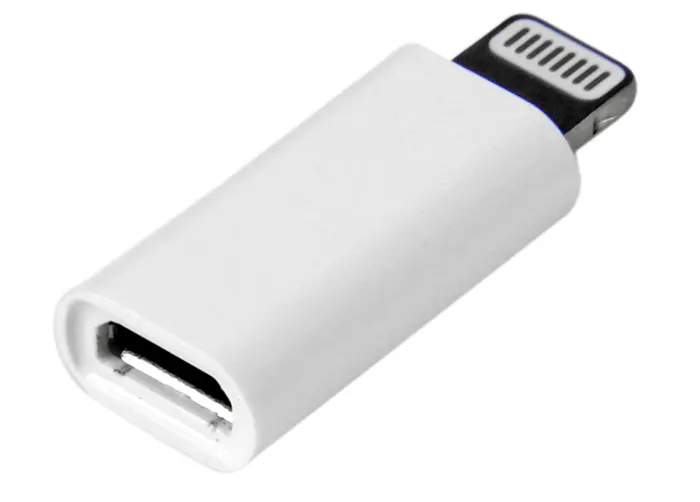
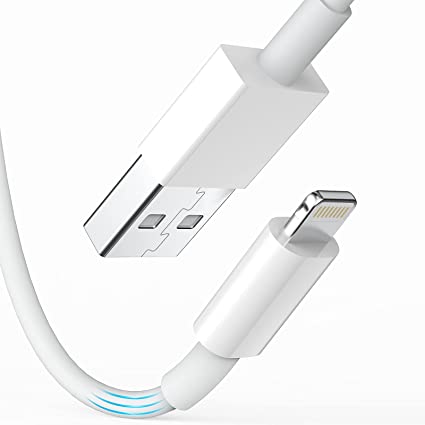
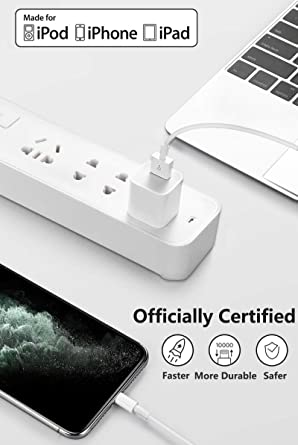
A USB-C to Lightning cable is designed to connect USB-C chargers and devices to Apple products with a Lightning port, enabling faster charging, efficient data transfer, and compatibility with modern USB-C power adapters and USB Power Delivery (USB PD) technology.
Why Do USB-C to Lightning Cables Exist?
Why Didn’t Apple Continue Using USB-A to Lightning?
When Apple introduced USB-C compatibility on its chargers, MacBooks, iPads, and later iPhone accessories, the goal was to improve charging performance and simplify connectivity across devices.
Traditional USB-A to Lightning cables were designed around older USB standards, which have lower power capabilities.
A USB-C to Lightning cable allows Apple devices with a Lightning connector to take advantage of:
Faster charging
USB Power Delivery (USB PD)
Modern USB-C wall chargers
USB-C laptop ports
USB-C docking stations
For businesses selling Apple accessories, USB-C to Lightning cables remain an important product because millions of Lightning-based iPhones, AirPods, and accessories are still in use worldwide.
Which Apple Devices Use USB-C to Lightning Cables?
What Products Are Compatible?
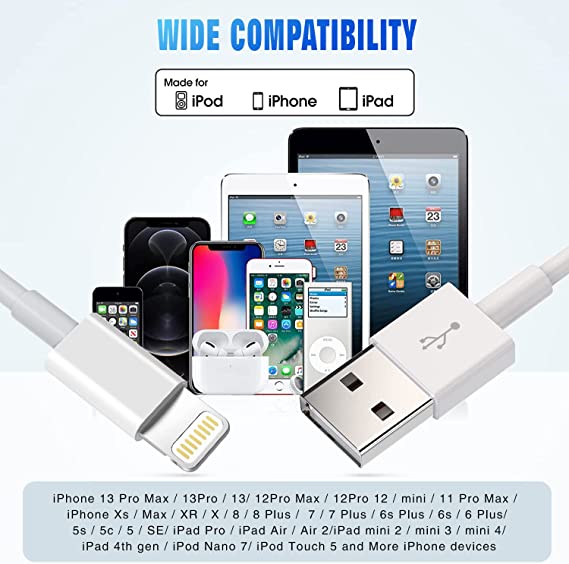
USB-C to Lightning cables work with Apple devices that feature a Lightning connector.
Common compatible products include:
iPhone 5 through iPhone 14 series
AirPods charging cases with Lightning ports
Magic Mouse
Magic Keyboard
Magic Trackpad
Some Beats products
Older iPads with Lightning connectors
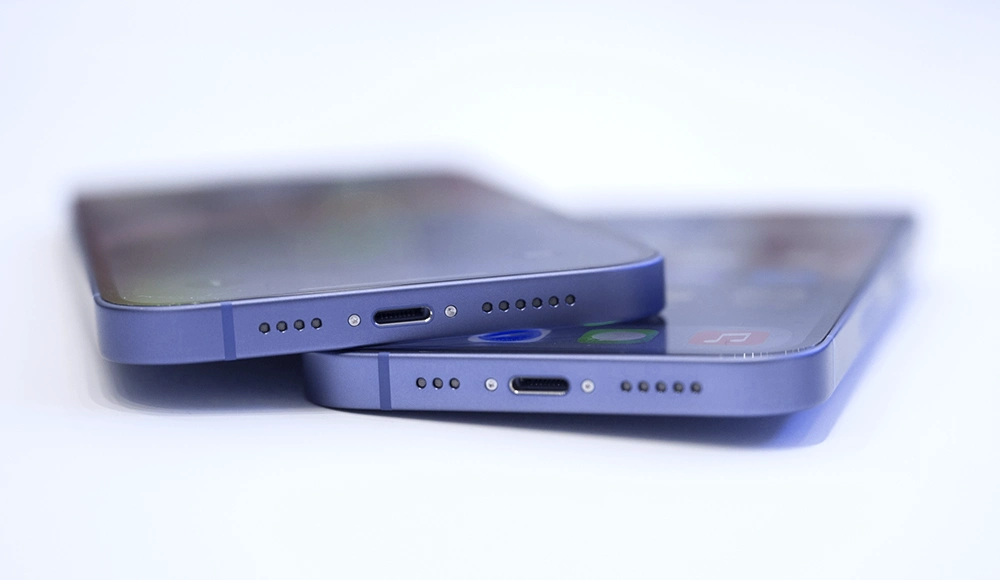
Although newer iPhone models have adopted USB-C, Lightning devices remain widely used in both consumer and business environments.
Why Is USB-C to Lightning Better for Fast Charging?
How Does USB Power Delivery Improve Charging?
One of the biggest advantages of a USB-C to Lightning cable is support for USB Power Delivery (USB PD).
When paired with a compatible USB-C charger, many supported iPhone models can charge significantly faster than with older USB-A chargers.
Typical charging comparison:
| Charging Method | Typical Power | Fast Charging Support |
|---|---|---|
| USB-A to Lightning | 5W–12W | Limited |
| USB-C to Lightning | Up to approximately 20W–30W* | Yes |
| USB-C to USB-C | Higher power for USB-C devices | Yes |
*Actual charging power depends on the iPhone model and charger.
USB PD intelligently negotiates voltage and current between the charger and the device to optimize charging efficiency while protecting battery health.
Does a USB-C to Lightning Cable Transfer Data?
Is It Only for Charging?
No.
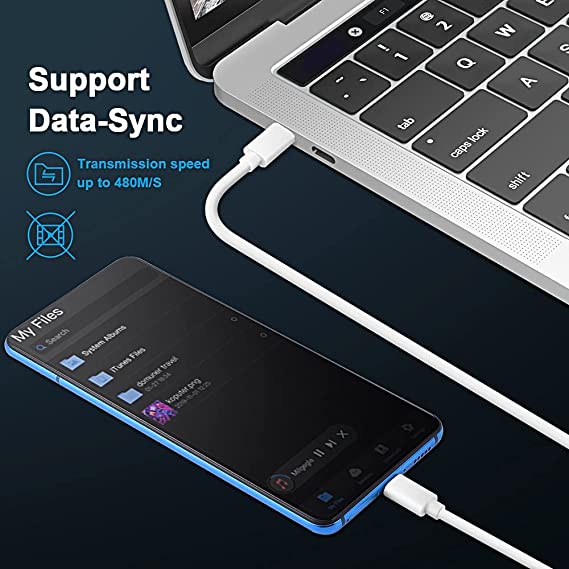
USB-C to Lightning cables also support data synchronization.
Typical uses include:
Transferring photos
Backing up iPhones
Restoring devices
Connecting to Mac computers
Syncing music and videos
Updating iOS
Most USB-C to Lightning cables support USB 2.0 data transfer speeds up to 480 Mbps, which is sufficient for everyday synchronization tasks.
Are All USB-C to Lightning Cables the Same?
Why Do Cable Quality Levels Vary?
No.
Two cables may look nearly identical but differ significantly in construction and performance.
Important factors include:
Copper conductor quality
Wire gauge (AWG)
Connector materials
Shielding design
Solder quality
Manufacturing process
Certification status
Premium cables typically provide:
Lower electrical resistance
More stable charging
Better durability
Longer service life
Improved connector reliability
For OEM buyers, these differences directly affect customer satisfaction and warranty costs.
What Materials Are Used in High-Quality USB-C to Lightning Cables?
Why Do Conductors Matter?
The conductor is one of the most important parts of any charging cable.
Professional manufacturers typically use pure oxygen-free copper because it offers:
Lower resistance
Better electrical conductivity
Reduced voltage drop
Improved charging efficiency
Typical conductor sizes include:
| Cable Application | Typical AWG |
|---|---|
| Standard Charging | 28 AWG |
| Fast Charging | 24–26 AWG |
| Premium OEM Cable | 22–24 AWG (power conductors) |
Lower AWG numbers indicate thicker conductors capable of carrying higher current with less heat generation.
Does Cable Construction Affect Charging Performance?
Why Are Premium Cables More Reliable?
A high-quality USB-C to Lightning cable includes more than just good copper conductors.
Typical construction includes:
Multi-layer shielding
Aluminum foil shielding
Braided shielding
Reinforced connector joints
Durable insulation
Precision-molded connectors
These features help reduce:
Electromagnetic interference (EMI)
Voltage loss
Connector damage
Internal wire breakage
Better construction results in more consistent charging and longer product life.
What Manufacturing Standards Should OEM Buyers Look For?
How Can Buyers Evaluate a Reliable Manufacturer?
Professional USB cable manufacturers follow internationally recognized quality management systems.
ISO9001 Quality Management System
An ISO9001-certified factory controls:
Raw material inspection
Production processes
Product traceability
Process documentation
Corrective actions
Final quality inspection
Quality departments generally include:
IQC (Incoming Quality Control)
IPQC (In-Process Quality Control)
OQC (Outgoing Quality Control)
These procedures improve consistency across large production volumes.
Why Is Lead-Free Solder Important?
What Is SAC305 Solder?
Premium USB-C to Lightning cables commonly use SAC305 lead-free solder.
Typical composition:
Tin (Sn): 96.5%
Silver (Ag): 3.0%
Copper (Cu): 0.5%
Typical processing conditions:
Melting point: approximately 217°C
Reflow temperature: 240–260°C
High-quality solder joints improve:
Electrical conductivity
Mechanical strength
Long-term durability
Poor soldering can increase resistance and reduce cable reliability.
What Certifications Should Buyers Request?
Which Compliance Documents Are Important?
Before placing OEM or bulk orders, buyers should request compliance documentation.
Common certifications include:
| Certification | Purpose |
|---|---|
| ISO9001 | Quality management system |
| RoHS | Restricts hazardous substances |
| REACH | Chemical compliance |
| UL Recognized Components / UL Cable Certification | Electrical safety |
| USB-IF Compliance (where applicable) | USB standard verification |
For Lightning cables, buyers should also confirm that the cable uses Apple-authorized Lightning connector technology when required for compatibility and long-term reliability.
Quality Inspector’s Advice:
“A USB-C to Lightning cable should be evaluated beyond its appearance. Check conductor material, AWG size, connector durability, solder quality, charging performance, and compliance documents before approving mass production.”
How Should Businesses Choose a USB-C to Lightning Cable Supplier?
What Questions Should OEM Buyers Ask?
Before selecting a manufacturer, ask:
Product Performance
Does the cable support USB Power Delivery fast charging?
What AWG conductors are used?
Is pure copper used for power wires?
Manufacturing Capability
Is the factory ISO9001 certified?
Are electrical and durability tests performed on every production batch?
Can the supplier provide RoHS and REACH documentation?
Product Quality
What connector life testing has been completed?
Are cable bending and pull-force tests documented?
Can the supplier support OEM branding and custom packaging?
Working with an experienced manufacturer helps ensure consistent product quality, fewer returns, and stronger brand reputation.
Conclusion
A USB-C to Lightning cable was developed to connect modern USB-C chargers with Apple devices that use the Lightning connector. It enables faster charging through USB Power Delivery, supports reliable data synchronization, and offers better compatibility with today’s USB-C ecosystem.
For B2B buyers, selecting the right supplier involves more than comparing prices. Conductor quality, AWG size, manufacturing standards, certification, and quality control all influence the cable’s long-term performance and customer satisfaction.
As Lightning-based Apple devices continue to remain in active use, USB-C to Lightning cables will continue to be an important product category for distributors, retailers, and OEM accessory brands.
FAQ
1. Why is a USB-C to Lightning cable better than a USB-A to Lightning cable?
A USB-C to Lightning cable supports USB Power Delivery, allowing compatible Apple devices to charge faster when paired with a USB-C power adapter.
2. Can a USB-C to Lightning cable transfer data?
Yes. Most USB-C to Lightning cables support USB 2.0 data transfer speeds of up to 480 Mbps, making them suitable for syncing files, backups, and software updates.
3. Are all USB-C to Lightning cables compatible with every Lightning device?
Most are compatible with Lightning-equipped Apple devices, but build quality and certification can affect charging stability, durability, and long-term compatibility.
4. What should OEM buyers verify before sourcing USB-C to Lightning cables?
Buyers should confirm USB PD fast charging support, conductor material, AWG wire size, ISO9001 certification, RoHS and REACH compliance, durability testing, and consistent manufacturing quality before placing bulk orders.
USB cable.
Picture this: You’re sitting at your desk, engrossed in a project
Where Can I Buy a High-Quality Pd Fast Charging Cable?
FAQ
1 cable
USB-C cables certainly.
Share This Artcle:

Fast delivery
Fastest delivery within 22 days

Quick proofing
Fastest 3-day proofing cycle

After-sale protection
24-month long warranty

1V1Customer Service
Professional customer service follow-up
Lorem ipsum dolor sit amet, consectetur adipiscing elit. Ut elit tellus, luctus nec ullamcorper mattis, pulvinar dapibus leo.