
What Is USB-IF Certification and Does Your Custom Cable Brand Really Need It?
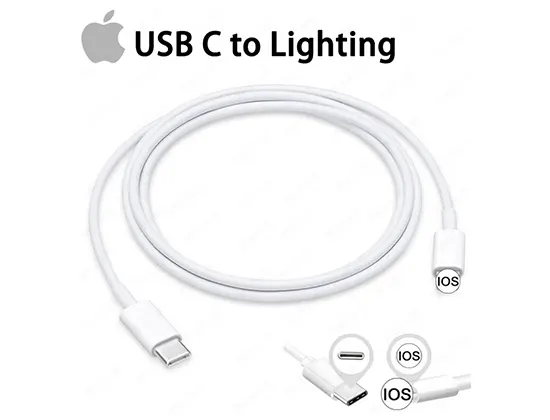
USB-IF certification is a compliance program that verifies USB products meet official USB specifications for safety, performance, and interoperability. Custom cable brands should consider certification for high-speed USB cables, USB-C products, and commercial distribution to reduce compatibility risks and improve market credibility.
What Is USB-IF Certification?
Why Was USB-IF Created?
USB-IF (USB Implementers Forum) is the organization responsible for developing and maintaining USB specifications, including:
USB Type-C
USB Power Delivery (USB PD)
USB 2.0
USB 3.2
USB4
USB4 Version 2.0
The organization works with manufacturers, semiconductor companies, and technology brands to ensure USB products from different companies can work together correctly.
For USB cable manufacturers, USB-IF certification confirms that a product follows official electrical, mechanical, and performance requirements.
Why Does USB-IF Certification Matter for Custom USB Cables?
What Problems Does Certification Solve?
A USB-C connector is only a physical interface. The actual performance depends on internal design.
A USB-C cable must correctly manage:
Power delivery communication
Data transmission signals
Connector pin configuration
Cable current capability
Signal integrity
E-Marker communication
Without proper validation, a cable may experience:
Slow charging
Failed fast charging negotiation
Data transfer errors
Display connection failures
Device compatibility problems
For brands selling custom USB cables, certification helps prove the product meets industry requirements.
Is USB-IF Certification Required for Every USB Cable?
Does Every OEM Cable Need Certification?
Not every cable legally requires USB-IF certification.
However, certification becomes highly recommended for:
USB4 cables
Thunderbolt-compatible cables
Premium consumer electronics products
Basic charging cables for limited applications may not require certification, but uncertified products have higher compatibility risks.
What Does USB-IF Test During Certification?
Which Performance Areas Are Verified?
USB-IF testing evaluates multiple technical areas.
Typical tests include:
Electrical Performance Testing
Including:
Voltage drop testing
Current capability testing
Resistance measurement
Power delivery communication testing
Signal Integrity Testing
For high-speed USB cables:
Eye diagram testing
Insertion loss testing
Return loss testing
Crosstalk measurement
These tests are especially important for:
USB 3.2 Gen 2
USB 3.2 Gen 2×2
USB4
Mechanical Testing
Including:
Connector durability
Insertion and extraction cycles
Cable bending tests
Strain relief evaluation
Premium USB-C connectors are often tested for:
10,000–20,000 insertion cycles
Which USB Standards Require More Certification Attention?
How Does USB Version Affect Certification Requirements?
Higher-speed USB standards require stricter testing.
| USB Standard | Maximum Data Rate | Certification Importance |
|---|---|---|
| USB 2.0 | 480 Mbps | Medium |
| USB 3.2 Gen 1 | 5 Gbps | High |
| USB 3.2 Gen 2 | 10 Gbps | High |
| USB 3.2 Gen 2×2 | 20 Gbps | Very High |
| USB4 | 40 Gbps | Essential |
| USB4 Version 2.0 | 80 Gbps | Essential |
As data speed increases, cable design becomes more sensitive to:
Impedance control
Shielding quality
Pair matching
Connector performance
Why Is USB-IF Important for USB PD Fast Charging Cables?
Does USB PD Require Certification?
USB Power Delivery introduces additional requirements for power negotiation.
Modern USB-C charging cables may support:
60W charging
100W charging
140W charging
Power requirements:
| Power Rating | Current Requirement | Cable Requirement |
|---|---|---|
| Up to 60W | 3A | Standard USB-C cable |
| 100W | 5A | E-Marker required |
| 140W | 5A | E-Marker required |
| 240W | 5A | USB PD 3.1 EPR cable + E-Marker |
An E-Marker IC inside the cable stores information about:
Current rating
Cable capability
USB specification support
Without proper communication, chargers may reduce output power for safety reasons.
What Are the Benefits of USB-IF Certification for Cable Brands?
Why Should Custom Cable Companies Invest in Certification?
For a custom cable brand, certification provides several advantages.
1. Better Product Credibility
Certified products demonstrate:
Compliance with official specifications
Professional engineering capability
Improved reliability
This is valuable when selling to:
Enterprise customers
Retail chains
Electronics brands
Distributors
2. Lower Compatibility Problems
USB-IF testing helps identify problems before mass production.
This reduces:
Customer complaints
Product returns
Firmware compatibility issues
Support costs
3. Easier Market Expansion
Many international buyers prefer suppliers that can provide:
Certification reports
Test documentation
Compliance records
Certification can improve confidence during supplier evaluation.
Does USB-IF Certification Increase Manufacturing Cost?
Is Certification Worth the Investment?
Yes, certification increases development costs, but the impact depends on product complexity.
Typical additional costs include:
Engineering preparation
Sample development
Laboratory testing
Compliance documentation
High-speed cables require more testing because they involve:
More signal lines
Higher bandwidth
Strict impedance requirements
However, the cost is usually small compared with:
Product recalls
Failed shipments
Brand reputation damage
How Do Manufacturers Prepare a USB Cable for Certification?
What Engineering Requirements Must Be Controlled?
Professional USB cable manufacturers usually control:
Cable Structure
Including:
Conductor material
AWG wire size
Twisted pair design
Shielding structure
Typical conductor selection:
| Application | Recommended Wire Gauge |
|---|---|
| Standard Charging | 28 AWG |
| USB PD 60W | 24–26 AWG |
| USB PD 100W | 22–24 AWG |
| USB PD 240W | 20–22 AWG |
Shielding Design
High-speed USB cables often use:
Aluminum foil shielding
Copper braid shielding
Dual shielding structures
Typical braid coverage:
Standard cables: 65–85%
Premium cables: 85–95%
Good shielding reduces:
EMI interference
Signal loss
Data transmission errors
What Quality Systems Support USB-IF Compliance?
Why Is ISO9001 Important?
USB-IF certification validates product performance, but consistent manufacturing quality is also critical.
An ISO9001-certified factory manages:
Supplier qualification
Material inspection
Production control
Traceability
Final testing
Quality control processes typically include:
IQC (Incoming Quality Control)
Checks:
Connector materials
IC components
Cable materials
IPQC (In-Process Quality Control)
Checks:
Assembly quality
Soldering
Connector installation
OQC (Outgoing Quality Control)
Checks:
Finished product performance
Packaging
Shipment quality
Does Solder Quality Affect Certified Cable Performance?
Why Is SAC305 Used?
Professional USB cable factories commonly use SAC305 lead-free solder.
Composition:
Tin (Sn): 96.5%
Silver (Ag): 3.0%
Copper (Cu): 0.5%
Typical specifications:
Melting point: approximately 217°C
Reflow temperature: 240–260°C
Reliable solder joints improve:
Electrical stability
Mechanical strength
Long-term reliability
Quality Inspector’s Advice:
“USB-IF certification is not a replacement for manufacturing control. A certified design still requires stable production processes, material inspection, and electrical testing to ensure every cable shipped performs the same as the approved sample.”
How Should Brands Decide If USB-IF Certification Is Necessary?
What Questions Should Custom Cable Brands Ask?
Before investing in certification, consider:
Product Type
Is the cable USB4?
Does it support high-speed data?
Does it support 100W or 240W charging?
Target Market
Is it sold through major retailers?
Is it supplied to enterprise customers?
Is brand reputation important?
Customer Requirements
Do buyers request USB-IF documentation?
Are compatibility complaints a major concern?
For premium USB-C cable brands, certification is usually a valuable investment.
Conclusion
USB-IF certification verifies that custom USB cables meet official USB performance and compatibility requirements. While not every cable requires certification, it becomes increasingly important for USB-C products involving high-speed data, USB Power Delivery, USB4, and premium consumer electronics markets.
For cable brands, USB-IF certification provides:
Higher customer confidence
Better compatibility
Reduced product risks
Stronger market positioning
However, certification must be supported by reliable manufacturing practices, including ISO9001 quality systems, proper material selection, E-Marker implementation, shielding design, and production testing.
A certified product combined with strong manufacturing control creates a more reliable USB cable solution for global B2B customers.
FAQ
1. Is USB-IF certification mandatory for USB-C cables?
No. USB-IF certification is not legally required for every USB-C cable, but it is highly recommended for high-speed cables, USB4 products, and USB PD high-power charging cables.
2. What products usually need USB-IF certification?
USB4 cables, high-speed USB-C cables, USB PD 100W/240W cables, and products sold through professional retail or enterprise channels benefit most from USB-IF certification.
3. Does USB-IF certification guarantee cable quality?
USB-IF certification verifies that a product meets USB specifications, but overall quality also depends on manufacturing processes, materials, and factory quality control systems.
4. What should brands check before choosing a USB cable manufacturer?
Brands should evaluate USB-IF certification capability, ISO9001 certification, production testing procedures, E-Marker technology, conductor specifications, shielding design, compliance documents, and manufacturing experience.
USB cable.
Picture this: You’re sitting at your desk, engrossed in a project
Where Can I Buy a High-Quality Pd Fast Charging Cable?
FAQ
1 cable
USB-C cables certainly.
Share This Artcle:

Fast delivery
Fastest delivery within 22 days

Quick proofing
Fastest 3-day proofing cycle

After-sale protection
24-month long warranty

1V1Customer Service
Professional customer service follow-up
Lorem ipsum dolor sit amet, consectetur adipiscing elit. Ut elit tellus, luctus nec ullamcorper mattis, pulvinar dapibus leo.