
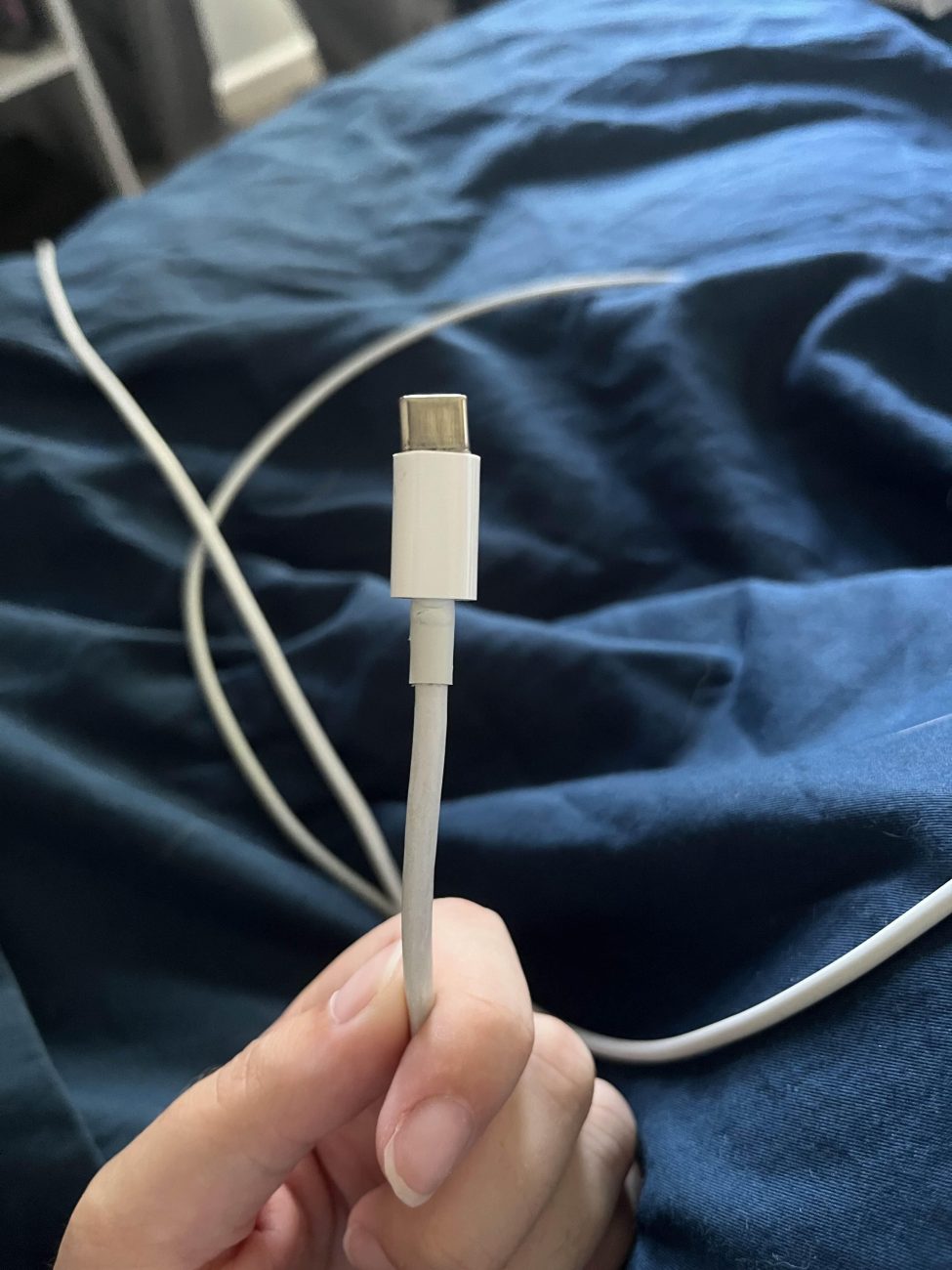
Few things are more frustrating than plugging in your Apple USB-C cable and realizing nothing happens.
Your iPhone doesn’t charge.
Your iPad won’t connect.
Your MacBook doesn’t recognize the cable.
Or perhaps charging starts and stops repeatedly.
If you’ve ever asked yourself:
“Why is my Apple USB-C cable not working?”
you’re not alone.
Every year, millions of Apple users experience charging and connectivity problems. The good news is that many of these issues are easy to diagnose and fix without immediately buying a new cable.
In this guide, we’ll walk through the most common reasons an Apple USB-C cable stops working, how to identify the problem, and what you can do to get your devices charging again.

How Does an Apple USB-C Cable Work?
Before troubleshooting, it’s helpful to understand what happens when you connect a cable.
A modern Apple USB-C cable does more than transfer electricity.
It is responsible for:
Power delivery
Fast charging communication
Data transmission
Device authentication
Safety monitoring
If any part of this process fails, charging may stop completely.

1. The USB-C Cable Is Physically Damaged
The most common cause is simple:
Cable Damage
Even premium Apple cables wear out over time.
Look closely for:
Cracks in the outer jacket
Bent connectors
Frayed cable ends
Exposed wires
Burn marks
Damage often occurs near the connector where the cable bends repeatedly.
How to Check
Gently flex both ends of the cable while charging.
If charging starts and stops, internal wires may be broken.

2. Dirt or Lint Is Blocking the USB-C Port
Many people immediately blame the cable.
However, the real problem is often:
A Dirty Charging Port
Pocket lint, dust, and debris can prevent proper contact.
Even a tiny amount of buildup may stop charging.
Common Signs
Cable feels loose
Charging only works at certain angles
Device repeatedly disconnects
Solution
Carefully inspect the port using a flashlight.
Remove debris gently with a non-metal tool or soft brush.
Never force sharp metal objects into the port.

3. The Power Adapter Is Faulty
Sometimes the cable is perfectly fine.
The issue may be:
A Defective USB-C Charger
Try using:
A different charger
A different wall outlet
Another USB-C power adapter
If charging resumes, the charger is likely the problem.
4. The USB-C Port on Your Device Is Damaged
Repeated plugging and unplugging can wear down internal contacts.
Signs include:
Loose connection
Charging interruptions
Connector wobbling
Physical damage inside the device port often requires professional repair.

5. The Cable Is Not Certified
Many users purchase low-cost replacement cables online.
Some may look identical to Apple cables but lack proper certification.
Non-Certified USB-C Cables
may cause:
Charging failures
Slow charging
Device compatibility issues
High-quality certified cables typically perform much more reliably.

6. Fast Charging Communication Has Failed
Modern Apple devices use advanced charging communication protocols.
The cable, charger, and device must all communicate correctly.
If communication fails:
Fast charging may stop
Charging speed may drop
Charging may not start at all
This is especially common with older or damaged accessories.
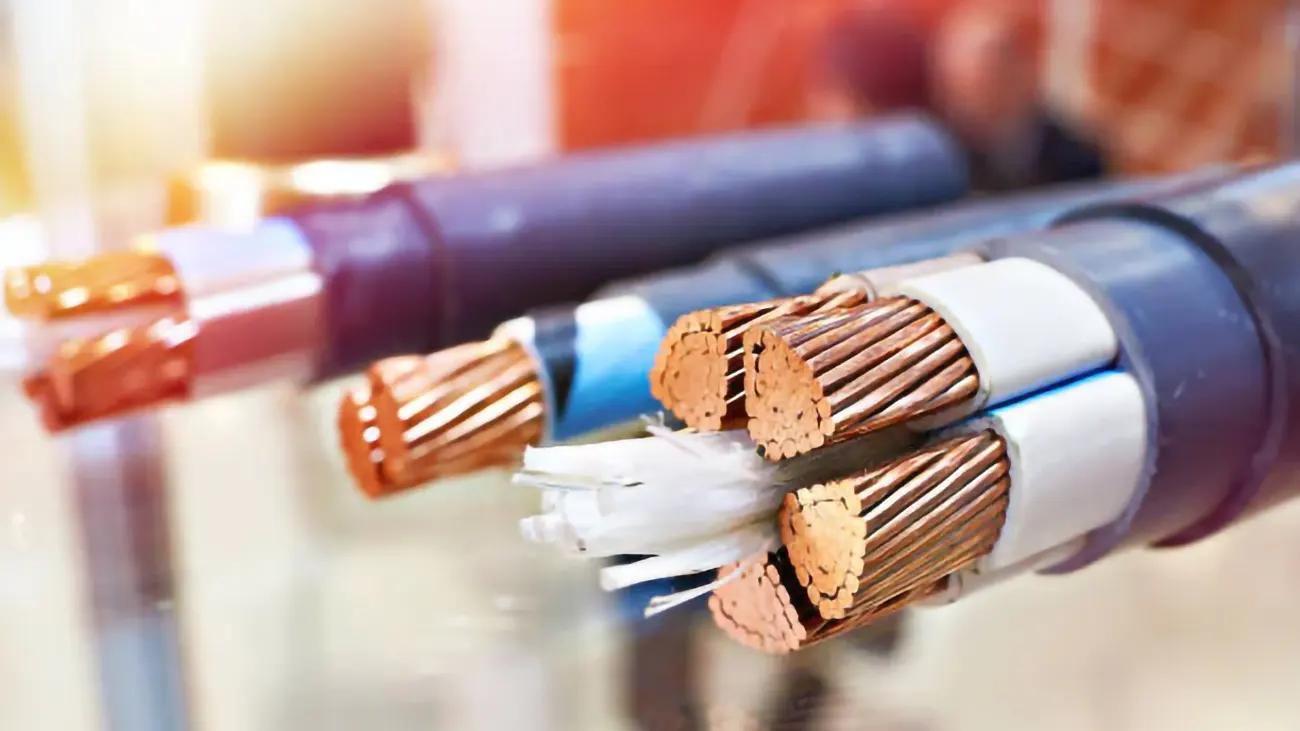
7. Internal Wire Breakage
Even when the outer jacket looks perfect, the inside may be damaged.
Repeated bending can break:
Power wires
Signal wires
Shielding components
This often causes:
Intermittent Charging Problems
where charging works one moment and stops the next.

8. Moisture Has Entered the Connector
Apple devices include moisture protection systems.
If liquid is detected:
Charging May Be Temporarily Disabled
to prevent damage.
You may see warnings such as:
Liquid Detected
Charging Not Available
Solution
Allow the connector and device port to dry completely before reconnecting.
9. Software Issues Are Causing Charging Problems
Not every charging issue is hardware-related.
Sometimes:
iOS bugs
macOS glitches
Firmware issues
can affect charging behavior.
Try These Steps
Restart the device
Update iOS
Update macOS
Reset charging accessories
Many charging issues disappear after a restart.
10. The Cable Has Overheated
Charging cables can become damaged by excessive heat.
Common causes include:
Charging under blankets
Direct sunlight
High ambient temperatures
Overheating may damage:
Connector contacts
Internal insulation
Wire cores
This can reduce performance or cause complete failure.
11. The USB-C Connector Pins Are Worn Out
Inside every USB-C connector are tiny metal contacts.
These contacts are responsible for:
Power transfer
Data communication
Over time, repeated use may wear down the pins.
Poor contact can result in:
Unstable charging
Slow charging
Connection failures
12. The Cable Has Reached the End of Its Lifespan
No charging cable lasts forever.
Even premium cables experience wear after years of use.
Factors that shorten lifespan include:
Daily bending
Pulling
Twisting
Extreme temperatures
If a cable is several years old and troubleshooting doesn’t help, replacement may be the best option.
How to Test Whether Your Apple USB-C Cable Is Bad
Try this simple process:
Step 1
Test the cable with another device.
Step 2
Use a different charger.
Step 3
Use another USB-C cable.
Step 4
Inspect both ports carefully.
Step 5
Check for visible damage.
This process can quickly identify whether the problem is the cable, charger, or device.
How to Make Your Apple USB-C Cable Last Longer
To extend cable life:
Avoid Tight Bending
Do not sharply bend the cable near the connector.
Pull the Connector, Not the Cable
Always unplug by gripping the connector.
Store Properly
Avoid wrapping cables tightly.
Keep Ports Clean
Regular cleaning prevents contact issues.
Avoid Excessive Heat
Keep cables away from high temperatures whenever possible.
When Should You Replace Your Apple USB-C Cable?
Consider replacement if:
Charging repeatedly disconnects
Connectors are visibly damaged
Charging speed drops significantly
Data transfer becomes unreliable
Internal wire damage is suspected
Replacing a failing cable early can help prevent device charging problems.
Conclusion
If you’re wondering:
“Why Is My Apple USB-C Cable Not Working?”
the answer is usually one of several common issues:
Physical cable damage
Dirty USB-C ports
Faulty chargers
Internal wire breakage
Moisture detection
Connector wear
Certification problems
Normal aging
The good news is that many of these problems can be diagnosed in just a few minutes.
By understanding how your Apple USB-C cable works and following proper maintenance practices, you can improve charging reliability, extend cable lifespan, and avoid unnecessary replacements.


Fast delivery
Fastest delivery within 22 days

Quick proofing
Fastest 3-day proofing cycle

After-sale protection
24-month long warranty

1V1Customer Service
Professional customer service follow-up