
How to Tell If a Charging Cable Is Genuine Apple
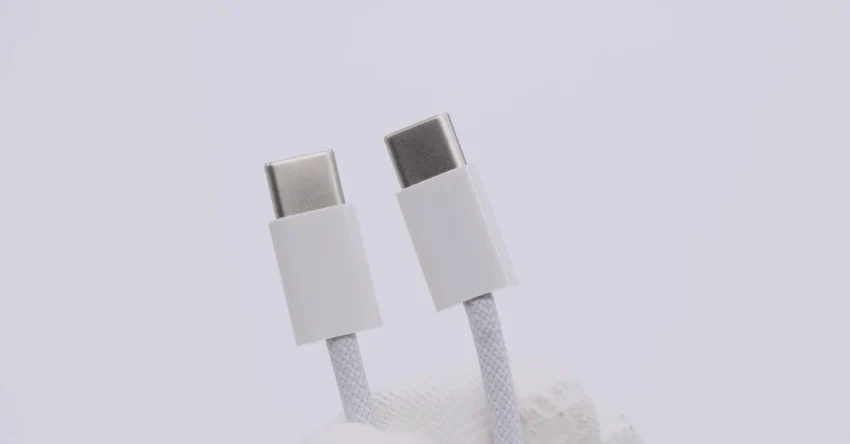
You can identify a genuine Apple charging cable by checking its certification, connector quality, printed markings, materials, charging performance, and packaging. Authentic cables meet Apple’s quality requirements and provide safe, reliable charging and data transfer.
Why Is It Important to Identify a Genuine Apple Charging Cable?
What Are the Risks of Using Counterfeit Cables?
Counterfeit charging cables may look similar to genuine Apple products, but their internal construction is often significantly different.
Poor-quality cables can lead to:
Slow charging
Charging interruptions
Unstable data transfer
Connector failure
Excessive heat generation
Shortened device battery life
Increased warranty claims
For distributors, retailers, and OEM buyers, sourcing reliable cables protects both product reputation and customer safety.
What Does a Genuine Apple Charging Cable Look Like?
What Physical Features Should You Check?
Apple charging cables are manufactured with consistent materials and precise assembly.
Typical characteristics include:
Smooth connector finish
Uniform cable diameter
Clean molding around strain relief
High-quality insulation
Accurate printing
Consistent connector dimensions
Poor finishing, rough plastic edges, or uneven connector alignment can indicate low manufacturing quality.
Does Apple Print Identification on Its Cables?
Where Can You Find the Markings?
Most genuine Apple Lightning cables include printed identification along the cable jacket.
Typical information includes:
“Designed by Apple in California”
“Assembled in China,” “Assembled in Vietnam,” or another manufacturing location
A serial or production code printed after the country of assembly
The text should be:
Clearly printed
Evenly spaced
Sharp and easy to read
Resistant to normal wear
Missing or poorly printed markings may indicate a non-genuine product.
How Can You Inspect the Connector?
What Are the Differences Between Genuine and Counterfeit Connectors?
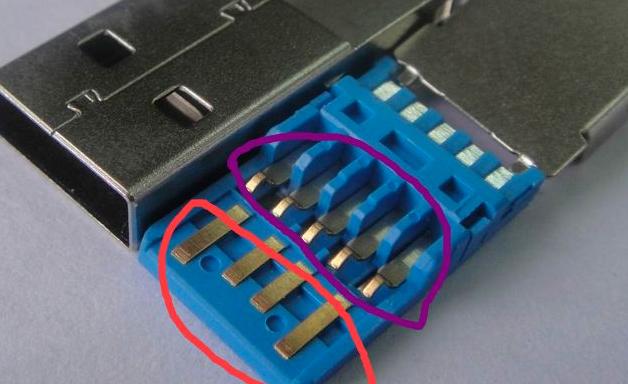
Connector quality is one of the easiest visual indicators.
| Feature | Genuine Apple Cable | Low-Quality Counterfeit |
|---|---|---|
| Connector Finish | Smooth and uniform | Rough or uneven |
| Contact Alignment | Precise | Irregular |
| Metal Surface | Consistent plating | Inconsistent finish |
| Plastic Molding | Clean and symmetrical | Visible flashing or gaps |
| Strain Relief | Flexible and secure | Weak or poorly molded |
Professional manufacturers maintain tight dimensional tolerances to ensure consistent insertion and long-term durability.
Does Charging Performance Reveal Cable Quality?
Can Fast Charging Help Identify a Genuine Cable?
Charging performance alone cannot confirm authenticity, but it provides useful information.
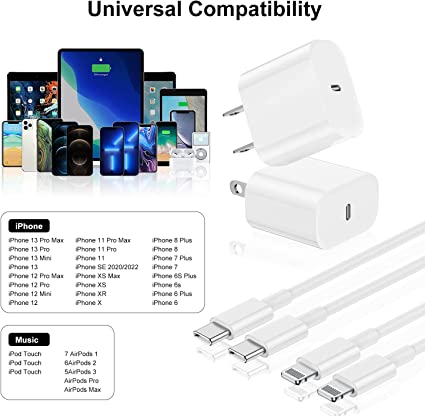
A genuine or properly certified USB-C to Lightning cable should support stable charging when paired with compatible Apple devices and a USB-C Power Delivery charger.
Typical performance characteristics include:
Stable charging current
Consistent voltage
Reliable device recognition
Minimal connector heating
If charging repeatedly disconnects or the cable becomes unusually hot, further inspection is recommended.
What Is Apple’s MFi Program?
Why Is MFi Certification Important?
MFi (Made for iPhone, iPad, and iPod) is Apple’s licensing program for compatible accessories.
Manufacturers participating in the program use Apple-authorized connector technology and must meet defined performance and quality requirements.
Benefits of MFi-certified products include:
Reliable compatibility
Stable charging
Consistent data synchronization
Reduced compatibility issues after iOS updates
For B2B buyers, sourcing MFi-certified products helps reduce returns and customer complaints.
What Materials Are Used in High-Quality Apple-Compatible Cables?
Why Do Internal Components Matter?
Although users cannot see them, internal materials have a major impact on performance.
Professional USB-C to Lightning cable manufacturers typically use:
Pure oxygen-free copper conductors
High-quality insulation
Reinforced strain relief
Precision connector terminals
Typical conductor sizes include:
| Cable Type | Typical Power Wire Gauge |
|---|---|
| Standard Charging | 28 AWG |
| Fast Charging | 24–26 AWG |
| Premium OEM Cable | 22–24 AWG (power conductors) |
Thicker conductors reduce resistance and improve charging efficiency.
Does Solder Quality Affect Reliability?
What Is SAC305 Lead-Free Solder?
Professional cable manufacturers commonly use SAC305 lead-free solder.
Typical composition:
Tin (Sn): 96.5%
Silver (Ag): 3.0%
Copper (Cu): 0.5%
Typical processing conditions:
Melting point: approximately 217°C
Reflow temperature: 240–260°C
Reliable solder joints improve:
Electrical conductivity
Mechanical strength
Long-term durability
Poor soldering can lead to intermittent charging or early cable failure.
How Do Professional Manufacturers Verify Cable Quality?
What Tests Are Commonly Performed?
Reliable manufacturers conduct multiple inspections throughout production.
Typical quality tests include:
Electrical Tests
Continuity testing
Resistance measurement
Charging performance verification
Data transmission testing
Mechanical Tests
Connector insertion testing
Cable bending test
Tensile strength test
Pull-force test
Premium charging cables are often tested for 10,000 to 20,000 insertion cycles and thousands of bend cycles to verify long-term durability.
What Manufacturing Standards Should OEM Buyers Verify?
How Can Businesses Evaluate a Reliable Supplier?
Professional cable manufacturers should operate under internationally recognized quality systems.
ISO9001 Quality Management System
An ISO9001-certified factory manages:
Supplier qualification
Incoming material inspection
Process documentation
Production traceability
Corrective actions
Final inspection
Quality control departments generally include:
IQC (Incoming Quality Control)
IPQC (In-Process Quality Control)
OQC (Outgoing Quality Control)
These systems improve manufacturing consistency and reduce defects.
What Certifications Should Buyers Request?
Which Documents Demonstrate Product Quality?
Before sourcing charging cables in bulk, buyers should request:
| Certification | Purpose |
|---|---|
| ISO9001 | Quality management system |
| RoHS | Restricts hazardous substances |
| REACH | Chemical compliance |
| UL Recognized Components / UL Cable Certification | Electrical safety |
| MFi Authorization (where applicable) | Apple compatibility |
| USB-IF Compliance (where applicable) | USB specification verification |
Suppliers should also be able to provide:
Electrical test reports
Durability reports
Material specifications
Production traceability records
Quality Inspector’s Advice:
“Do not judge a charging cable by its packaging alone. Verify connector workmanship, printed markings, certification status, conductor quality, electrical test reports, and factory quality systems before purchasing large quantities.”
How Should B2B Buyers Source Apple-Compatible Charging Cables?
What Questions Should You Ask Suppliers?
Before placing an OEM or wholesale order, ask:
Product Compliance
Is the cable MFi-certified or manufactured using Apple-authorized connector technology where required?
Can certification documents be provided?
Manufacturing Capability
Is the factory ISO9001 certified?
Are electrical and durability tests performed on every production batch?
Product Quality
What conductor material and AWG size are used?
What is the connector insertion life?
Are RoHS and REACH compliance reports available?
Evaluating these factors helps businesses reduce warranty claims and maintain consistent product quality.
Conclusion
Identifying a genuine Apple charging cable requires more than checking the logo or packaging. Authentic cables are distinguished by consistent connector quality, precise printed markings, reliable charging performance, and compliance with Apple’s accessory requirements.
For B2B buyers, the focus should extend beyond visual inspection. Manufacturing standards, conductor materials, quality control procedures, certifications, and documented testing all contribute to long-term product reliability. Partnering with an experienced manufacturer that follows ISO9001 quality management and provides appropriate compliance documentation is the most effective way to ensure consistent quality in bulk purchases.
FAQ
1. How can I tell if my Apple charging cable is genuine?
Check the printed identification, connector finish, build quality, certification status, and charging performance. Genuine cables have consistent workmanship and meet Apple’s compatibility requirements.
2. Do all genuine Apple cables have printed markings?
Most genuine Lightning cables include “Designed by Apple in California”, an assembly location, and a production code printed along the cable jacket. The printing should be clear and evenly spaced.
3. Is an MFi-certified cable the same as an original Apple cable?
No. An MFi-certified cable is manufactured by a licensed third-party company using Apple-authorized technology. It is designed to meet Apple’s compatibility and performance requirements but is not manufactured by Apple itself.
4. What should OEM buyers verify before sourcing Apple-compatible charging cables?
Buyers should confirm MFi authorization (where applicable), ISO9001 certification, RoHS and REACH compliance, conductor specifications, durability testing, electrical test reports, and the supplier’s overall quality management process.
USB cable.
Picture this: You’re sitting at your desk, engrossed in a project
Where Can I Buy a High-Quality Pd Fast Charging Cable?
FAQ
1 cable
USB-C cables certainly.
Share This Artcle:

Fast delivery
Fastest delivery within 22 days

Quick proofing
Fastest 3-day proofing cycle

After-sale protection
24-month long warranty

1V1Customer Service
Professional customer service follow-up
Lorem ipsum dolor sit amet, consectetur adipiscing elit. Ut elit tellus, luctus nec ullamcorper mattis, pulvinar dapibus leo.