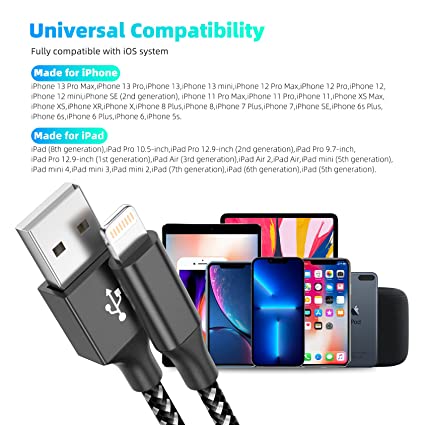
The US government may force Apple to ditch Lightning ports like the EU. The iPhone 14 could be the last iPhone with a Lightning port, thanks to U.S. legislators taking an interest in making a common charging standard. Hot Spot: Apple could be forced by US government to make USB-C iPhones
You might remember the trial that was trying to find the right phone charger at a high school party, when there were 30 different possible connectors. Thank goodness that malarky is mostly over. What you might not know is that you have the European Union to thank for that change, because they worked with tech companies on a “voluntary approach” to get them to reduce waste and inconvenience. Three Democratic senators have written to the U.S. Secretary of Commerce to address the issues of e-waste and excess costs for users by making electronics makers selling mobile products in the U.S. that use the same charging/data port (via The Verge(opens in new tab)). The trio’s request is similar to the legislation passed by EU earlier this month, which would force Apple to adopt USB-C ports on all its devices by 2024. It’s unlikely that companies will make a special European version of their devices, so that basically means the end of proprietary charging ports, most notably Apple’s iPhone Lightning port.
“We cannot allow the consumer electronics industry to prioritize proprietary and inevitably obsolete charging technology over consumer protection and environmental health,” the letter to the Commerce Secretary, signed by Sens. Ed Markey, Elizabeth Warren and Bernie Sanders, concludes.
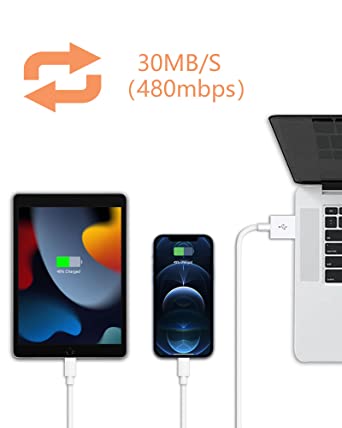
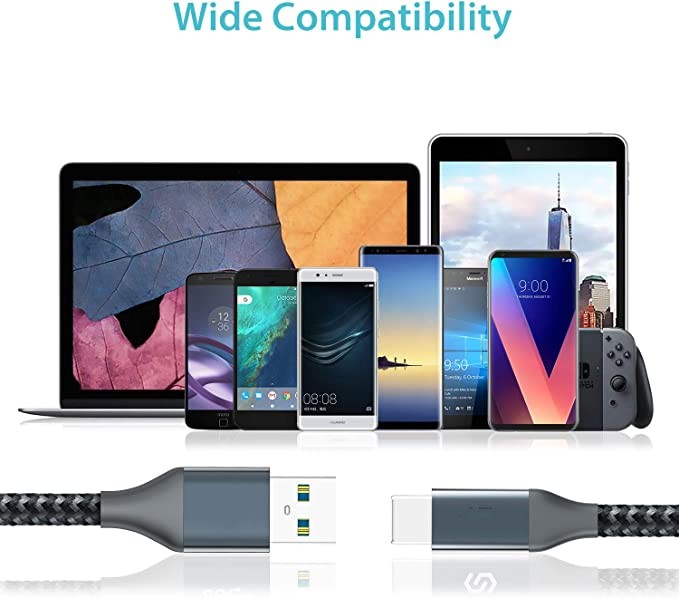
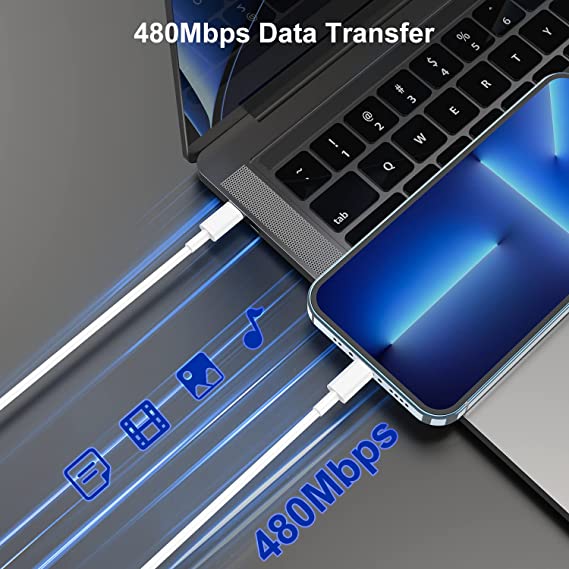
The three senators make strong arguments. Basically every mobile device on the market, apart from Apple’s, uses USB-C or an older USB variant, so it makes sense for iPhones, iPads and so on to be rechargeable using the same cables, too. Plus, while Lightning was faster than micro-USB ports used in Android and other devices when introduced, USB-C now has it beaten on charging and data transfer speeds.
Folks already using headphones, Android phones, iPads, and laptops that use USB-C won’t really notice a difference. Apple has addressed environmental friendliness and e-waste many times at its product launches, first by prioritizing the use of recycled materials in its devices, and more recently by no longer providing chargers with new iPhones. But it’s previously responded to calls for a common charger by saying the move would generate e-waste by making existing Lightning accessories obsolete, and that it will inhibit innovation.
Last week the European Union proposed an update to the Radio Equipment Directive that would reduce the number of charging ports even further, and give you a reason to throw out the contents of that drawer. We’ve heard claims that the iPhone 15 will be the first to use USB-C in 2023. Assuming the base model iPad and the AirPods family also leave Lightning behind in upcoming updates, Apple would easily meet the 2024 EU target. Laptops like Apple’s MacBooks will need to be USB-C compatible by 2026 too, but Apple’s already there with its adoption of USB-C Thunderbolt ports across all new MacBooks, including the new MacBook Pro 2022 and MacBook Air 2022.
There’s a chance Apple could avoid the need to use USB-C altogether on iPhones, as rumors of a portless iPhone coming in the next couple of years continue to simmer. Since Apple’s current wireless charging tech – MagSafe – already uses a USB-C connector, Apple wouldn’t have any trouble expanding this part of its proprietary tech with future iPhones despite the regulations.
Don’t expect the U.S. government to pass any kind of law on common charging quickly though. It took the E.U. nine months to pass its common charger law, after years of negotiating the precise terms. No doubt there would be a lot of debate and input from Apple and other U.S. tech companies to get through before any vote could be held.